


Migraine massage is a type of manual therapy that uses gentle or targeted pressure on the head, face, neck, shoulders or upper back to help manage migraine symptoms. It may include soft tissue massage, stretching, trigger point therapy, myofascial release or acupressure, and is usually used together with standard migraine treatment.
Some studies suggest that migraine massage may help reduce pain intensity, migraine frequency, disability, sleep problems and impact on quality of life. Benefits appear to be stronger when massage is part of a broader care plan that may include medication, medical follow-up and healthy lifestyle habits.
Massage may also help relax tense muscles in the neck, scalp and jaw, which can contribute to headache discomfort in some people. However, massage does not replace medical treatment, and people with frequent, severe or changing headaches should be assessed by a health professional.
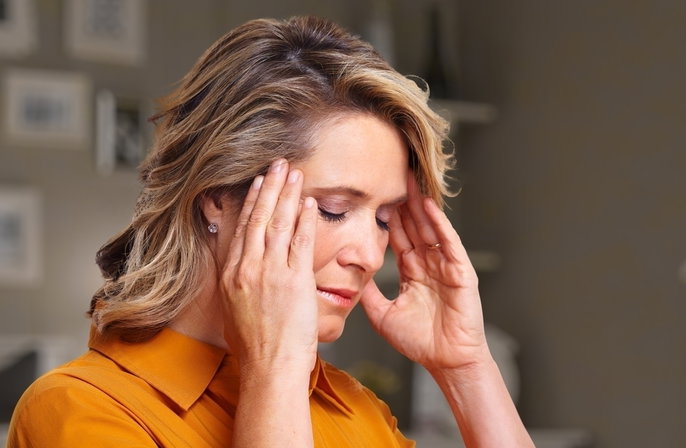
Health benefits
Migraine massage may help with:
-
Reducing pain intensity: Manual therapy and massage techniques have been linked to lower headache pain in people with migraine or chronic headache.
-
Decreasing migraine frequency: Some studies suggest that manual therapy and massage may reduce the number of migraine episodes.
-
Improving sleep: Massage may help improve sleep quality, which is important because poor sleep can worsen migraine.
-
Reducing disability: Migraine can interfere with work, study and daily activities, and manual therapy may help reduce this impact.
-
Improving quality of life: Massage and aromatherapy massage have been associated with better migraine-related quality of life in some clinical studies.
-
Relaxing tense muscles: Massage of the neck, shoulders, temples, jaw and upper back may help reduce muscle tightness that can worsen head pain.
These benefits are usually described as supportive, meaning massage may help as an additional therapy, but it should not be the only treatment for migraine.
Effective massage techniques
Several massage techniques may be used for migraine, depending on the person’s symptoms, pain sensitivity and muscle tension.
1. Soft tissue massage
Soft tissue massage uses gentle, steady movements over the muscles of the neck, shoulders, scalp and upper back. This may help reduce tension and promote relaxation.
2. Trigger point therapy
Trigger point therapy applies pressure to tight or sensitive areas in the muscles. These points may be found in the neck, shoulders, jaw or upper back, and may contribute to head pain in some people.
Pressure should be firm but tolerable. Very strong pressure can worsen pain in sensitive people.
3. Myofascial release
Myofascial release uses slow pressure and stretching movements on the connective tissue around muscles. This technique may be used when there is stiffness in the neck, scalp or shoulder area.
4. Neck and upper back massage
Migraine-related discomfort may be linked with tension in the neck and upper back. Massage in these areas may involve kneading, gentle circular pressure and stretching movements.
5. Temple and scalp massage
Massage over the temples and scalp may help with relaxation during a migraine attack or when early symptoms begin. Movements should be gentle, especially if the scalp is sensitive.
6. Jaw massage
Some people with migraine also have tension in the jaw muscles. Gentle massage around the masseter muscle, located near the jaw, may help reduce facial and head tension.
Specific pressure points (acupressure)
Acupressure uses finger pressure on specific points of the body. It is different from acupuncture because it does not use needles.
Studies and clinical resources have described several points related to headache or migraine care. These points may overlap with points used in acupuncture research, but acupressure can be done with the fingers.
1. LI4, or Hegu
LI4 is located on the hand, in the webbed area between the thumb and index finger. It is commonly mentioned in headache and migraine acupressure resources.
This point should not be used during pregnancy unless approved by a health professional.
2. GB20, or Fengchi
GB20 is located at the base of the skull, in the hollow areas on both sides of the neck. Gentle pressure in this area may help with neck tension and head discomfort.
3. Taiyang
Taiyang is located near the temples. Gentle circular pressure over this area may help relieve tension around the sides of the head.
4. Yintang
Yintang is located between the eyebrows. Light pressure in this area may help promote relaxation.
5. GV20
GV20 is located at the top of the head. It is commonly used in acupuncture-related headache studies.
6. PC6, or Neiguan
PC6 is located on the inner forearm, a few finger-widths above the wrist. It has been studied as an acupressure point in migraine-related research.
Step-by-step: How to perform a self-massage
A self-massage for migraine should be gentle and slow. It may be done during early symptoms or between migraine attacks to help reduce tension.
1. Sit in a quiet position
Choose a calm place and sit with the back supported. Relax the shoulders and keep the jaw loose.
2. Start with the neck
Use the fingertips to make small circles along the back and sides of the neck. Avoid pressing directly on the spine.
3. Massage the base of the skull
Place the thumbs or fingertips at the base of the skull. Apply gentle circular pressure for a few seconds, then release.
4. Move to the temples
Use two fingers to massage the temples in slow circles. Pressure should be light to moderate, especially during a migraine attack.
5. Massage the scalp
Use the fingertips to make small circular movements across the scalp. Start at the front of the head and move toward the back.
6. Relax the jaw
Place the fingertips over the jaw muscles near the cheeks. Massage gently in small circles while keeping the teeth apart.
7. Finish with the shoulders
Use one hand to knead the opposite shoulder, then repeat on the other side. Keep movements slow and avoid deep pressure if the area is sore.
A self-massage session may last about 10 to 15 minutes. It should be stopped if pain worsens, dizziness appears or the pressure feels uncomfortable.
Using essential oils
Some studies have explored aromatherapy massage for migraine, especially with lavender and peppermint oils. One randomized trial described massage of the temples and neck area with a lavender and peppermint oil mixture, combined with medical treatment, and found improvements in pain and quality of life.
Lavender has also been studied through inhalation during migraine attacks, with some evidence of headache improvement. However, essential oils should be used carefully because they can cause skin irritation, allergic reactions or sensitivity to strong smells.
Essential oils should not be applied directly to the skin without dilution. They are usually mixed with a carrier oil before massage. People with allergies, asthma, pregnancy, sensitive skin or strong smell-triggered migraine should use extra caution or avoid essential oils unless approved by a health professional.
When to see a professional
A licensed massage therapist, physical therapist or other trained professional may be helpful when migraine is linked with neck stiffness, jaw tension, upper back tightness or frequent muscle pain.
Professional care may also be useful when self-massage does not help, when deeper techniques are being considered or when there is uncertainty about which areas to treat.
Medical care is important if migraine attacks are frequent, disabling, worsening or not improving with usual treatment. A neurologist or headache specialist may help confirm the diagnosis and adjust treatment.
Urgent medical attention is needed for a sudden, severe headache, a new type of headache, headache after head injury, headache with fever or stiff neck, or headache with weakness, confusion, vision changes, fainting or trouble speaking.
Precautions and contraindications
Migraine massage is generally considered safe when done gently, but it is not appropriate for everyone.
Massage should be avoided or delayed in cases of:
-
Severe headache with sudden onset
-
Fever, infection or unexplained illness
-
Recent head, neck or spine injury
-
Uncontrolled high blood pressure
-
Blood clotting problems or use of blood-thinning medication without medical guidance
-
Recent surgery in the head, neck, shoulder or back area
-
Open wounds, burns, skin infection or severe skin irritation
-
Severe dizziness, fainting or neurological symptoms
-
Pregnancy, unless massage and pressure points are approved by a health professional
Deep tissue massage and strong trigger point pressure may worsen symptoms in some people. Massage should be gentle during a migraine attack, especially if there is nausea, scalp sensitivity, light sensitivity or sound sensitivity.
Can migraine massage replace medication?
Migraine massage should not replace prescribed medication or medical treatment. The available evidence supports massage as an additional option that may help reduce symptoms and improve quality of life for some people.
People who need frequent pain medicine, have migraines that interfere with daily life or notice a change in headache pattern should be assessed by a health professional.