


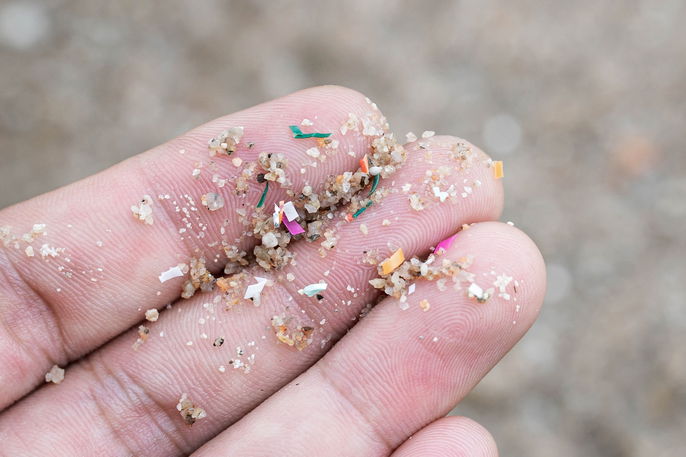
Microplastics are plastic fragments that range from 1 nanometer to 5 mm in diameter. They can be found in the environment, food, water, and air.
Microplastics are believed to increase the risk of inflammation, cardiovascular disease, and liver, digestive, and respiratory problems. However, their effects on human health are still being studied.
Microplastics can be inhaled or ingested. They may also build up in organs and tissues, such as the blood, liver, kidneys, and lungs, although more robust evidence is still needed.
Possible health risks
Research on the effects of microplastics on human health is still in the early stages. According to the World Health Organization, more robust data are needed to assess the risks of nano- and microplastic exposure through food, water, and air.
1. Oxidative stress
Microplastics may cause oxidative stress by disrupting the production of free radicals.
High levels of free radicals can damage cell DNA and lead to the oxidation of proteins and fats.
2. Inflammation
Microplastics may stimulate chronic inflammation through the immune system and, as a result, affect different organs.
3. Cardiovascular diseases
Some studies suggest that microplastics may increase the risk of cardiovascular conditions and diseases, such as heart attack, stroke, arrhythmias, and myocardial fibrosis.
4. Neurotoxicity
Microplastics are believed to cause neurotoxicity because they may cross the blood-brain barrier and accumulate in the brain.
Because of this, microplastics may contribute to the development of neurodegenerative disorders, such as Parkinson’s disease and Alzheimer’s disease.
5. Liver and digestive problems
Microplastics that accumulate in the liver of mice have been associated with fat buildup, liver cell damage, and insulin resistance.
Similarly, microplastic buildup in the intestine may cause inflammation and impair the intestinal barrier.
6. Endocrine and reproductive disruption
Microplastics contain or attract endocrine-disrupting chemicals, such as phthalates and bisphenol A (BPA).
Exposure to endocrine disruptors has been linked to possible problems such as weight gain, insulin resistance, fertility problems, and cancer.
7. Respiratory problems
Inhaling microplastics may cause respiratory problems, such as asthma, pneumonia, emphysema, and allergic rhinitis.
This is because microplastics can trigger inflammatory responses in the lungs and increase oxidative stress.
Is it possible to eliminate microplastics from the body?
Yes, it is possible to eliminate microplastics from the body. However, elimination depends on particle size.
Some larger and smaller microplastic particles can pass through the intestine without being absorbed and are excreted in the stool.
However, particles smaller than 1 micrometer are harder to eliminate. These smaller microplastics may build up in cells in organs such as the liver, kidneys, lungs, and arteries.
How to reduce exposure
Some ways to reduce exposure to microplastics include:
-
Avoid drinking bottled water, as some studies suggest it may contain higher levels of microplastic particles.
-
Filter drinking water using high-quality filtration systems, such as reverse osmosis.
-
Replace plastic food containers and plastic cutting boards with glass, wood, or metal alternatives.
-
Avoid heating food in plastic containers.
-
Minimize single-use plastics, such as bottles, straws, bags, and plastic utensils.
Another way to reduce exposure is to prioritize clothing made from natural fibers, such as cotton, wool, and linen, instead of synthetic fabrics like polyester, nylon, and acrylic, which release microplastics when worn and washed.
