


A mesomorph is a body type defined by a naturally lean and muscular build, with lower body fat and a faster metabolism. This physique makes it easier to gain and maintain muscle compared to other body types.
The mesomorph body type often responds well to strength training and balanced diets, which helps improve muscle tone and overall fitness. However, despite these advantages, mesomorphs can still gain excess fat if nutrition and exercise are not managed carefully.
Understanding the mesomorph body type is important for designing effective meal plans, workouts, and lifestyle habits. Exploring its main traits, recommended foods, best workouts, health benefits, and potential risks provides a clearer picture of how this body type functions. Learn more about the other common body types: ectomorph and endomorph.
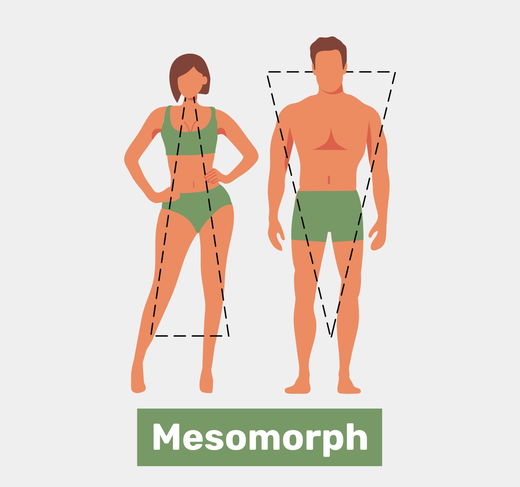
Body type characteristics
Some physical characteristics of the mesomorphic body type include:
- More muscular body
- Toned arms
- Leaner body
- Women will usually have a more athletic build with a small waist
In addition, people with a mesomorph body type will usually have an easier time putting on and keeping muscle. They have a faster metabolism and a lower body fat percentage. They can generally lose weight easily.
Nutrition guide
To maintain muscle mass and prevent putting on body fat, the mesomorph diet should be balanced. Mesomorphs should priorities lean protein, fresh fruits and vegetables, whole grains, and healthy fats.
5 to 6 meals per day are recommended. These people should consume between 0.8 and 1.2g of protein for every kilogram (or 2.2lb) of body weight. They should also limit they fat intake to 30% of their total caloric intake, and their carbohydrates to 50%.\
Also recommended: What to Eat to Gain Muscle: 10 Tips & 3-Day Meal Plan tuasaude.com/en/what-to-eat-to-gain-muscleSample meal plan
The following table shows an example of a 3-day diet plan for mesomorph body types:
This plan is merely an example. The types or quantities of food presented can vary depending on gender, age, weight and individual health status. Therefore, it is best to consult a dietitian to develop a diet plan that is personalized to you and your goals.
It's important to note that factors like healthy sleep habits, regular physical activity and adequate hydration (e.g. 1.5L or about 6 cups of water per day) also play a role in gaining muscle.
Foods to avoid
To maintain muscle mass and to prevent increase in body fat, people with a mesomorph body type should avoid eating food that could delay their health goals. These foods include:
- Foods with high fat content, like fried foods, margarine, pizza, bacon, chips, and hamburgers
- Cured meat and sausages, hot dogs, sausages, rump roast, prosciutto, mortadella and salami
- Refined grains, like white rice, white bread or white pasta
- Processed foods, like packaged cookies, instant noodles, sodas, ready-made sauces or seasoning, and fast food
It is important to avoid consumption of alcoholic drinks (like beer or wine) as these are high in calories and will lead to fat gain. Alcohol can also decrease circulating testosterone levels, and this hormone is important for muscle gain.
Exercise guide
Mesomorphs respond very well to both strength training and cardiovascular exercise. Because of their naturally muscular frame and higher proportion of fast-twitch muscle fibers, they tend to gain strength and muscle mass faster than other body types.
Strength training
Research shows that mesomorphs achieve optimal results with moderate to heavy resistance training. Performing 6 to 12 repetitions per set is effective for stimulating muscle growth.
Compound exercises such as squats, deadlifts, bench presses, and pull-ups are recommended. Periodized training programs that vary intensity and volume across the week tend to produce greater strength gains than unstructured routines .
Cardiovascular training
In addition to weight training, mesomorphs benefit from regular cardio to maintain endurance and prevent fat accumulation. Moderate-intensity cardio, such as cycling or running, is recommended 3 to 4 days per week for 20 to 30 minutes.
High-intensity interval training (HIIT) can also be effective, improving cardiovascular function and VO₂max while supporting fat loss without compromising muscle mass.
Benefits and risks of being a mesomorph
Mesomorphs generally enjoy health benefits due to their higher muscle mass and lower body fat percentages. Increased muscle mass improves insulin sensitivity, supports efficient glucose metabolism, and is linked with lower risk of metabolic dysfunction. They also tend to have better cardiovascular endurance and overall athletic performance .
Despite these advantages, mesomorphs may face health risks if they develop higher levels of body fat. Endomorphic-mesomorphs have been associated with increased risks of hypertension, high cholesterol, insulin resistance, fatty liver disease, type 2 diabetes, and metabolic syndrome.
Some studies also show that mesomorphs with excess body fat may have greater cardiovascular risk compared to other body types .