


Meibomian gland dysfunction is a common condition that affects the oil-producing glands located in the eyelids. These glands help keep the eyes moist, and when they do not work properly, tears can evaporate too quickly, leading to dry and irritated eyes.
This condition often develops slowly and can become chronic over time. It is one of the main causes of dry eye symptoms and is usually linked to blocked glands, inflammation, or changes in the quality of the oil they produce.
Common symptoms include eye dryness, irritation, and blurred vision, while treatment focuses on improving gland function and relieving discomfort. In more persistent cases, medical treatment or specialized procedures may be needed to control symptoms and prevent complications.
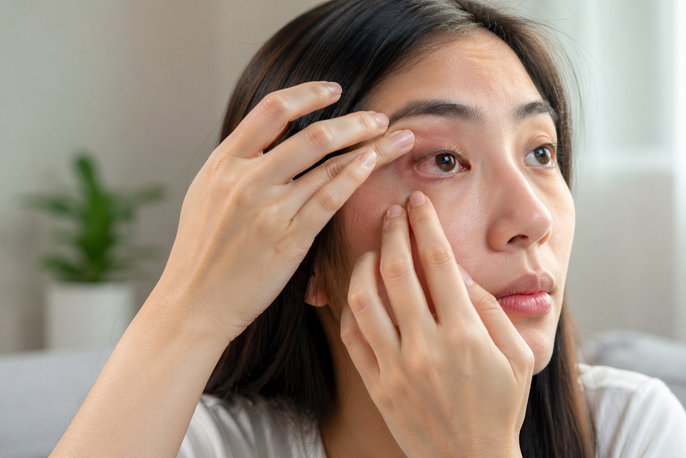
Main symptoms
Meibomian gland dysfunction can cause a range of eye-related symptoms such as:
-
Dry or gritty sensation in the eyes
-
Burning or stinging feeling
-
Redness of the eyes or eyelids
-
Blurred or fluctuating vision
-
Sensitivity to light
-
Crusting along the eyelid margins
-
Feeling of something in the eye
These symptoms tend to worsen over time if the condition is not managed, especially in dry environments or with prolonged screen use.
Possible causes
Meibomian gland dysfunction usually develops due to a combination of factors that affect how the eyelid glands function. It can be caused by:
1. Gland blockage and oil changes
This condition often occurs when the oil produced by the glands becomes thicker or changes in composition, making it harder to flow normally. Over time, this can lead to blockage of the gland openings, which reduces the amount of oil released into the tear film and allows tears to evaporate more quickly.
2. Inflammation and eyelid conditions
Chronic inflammation of the eyelids can interfere with normal gland function and contribute to worsening symptoms. Conditions such as blepharitis and rosacea are commonly associated with meibomian gland dysfunction, as they can increase irritation and disrupt the health of the eyelid margins.
3. Hormonal and systemic factors
Hormonal changes, particularly reduced androgen levels, can affect how much oil the glands produce and alter its quality. Aging is another important factor, as gland function tends to decline over time, and certain conditions like diabetes may also increase the risk of developing this disorder.
4. Environmental and lifestyle factors
Daily habits and environmental exposure can play a significant role in the development of symptoms. Prolonged screen use may reduce blinking, which limits the natural release of oil from the glands, while dry air, wind, or pollution can further increase tear evaporation and eye discomfort.
5. Medication-related causes
Some medications are known to affect the function of the meibomian glands by altering oil production or increasing dryness. For example, antihistamines and isotretinoin have been linked to changes in gland activity and may contribute to the development or worsening of symptoms.
These different factors often act together, which is why meibomian gland dysfunction is considered a multifactorial condition.
Confirming a diagnosis
Diagnosis of meibomian gland dysfunction is usually based on symptoms and a detailed eye examination. A healthcare professional evaluates the eyelids, tear film, and overall eye surface to identify signs of gland dysfunction.
Doctors often look for changes along the eyelid margins, such as redness, thickened secretions, or blocked gland openings. They may gently press on the glands to assess the quality and flow of the oil produced.
Additional tests may include measuring tear stability or using imaging techniques to examine gland structure. These findings help confirm the diagnosis and determine the severity of the condition .
Treatment options
Treatment for meibomian gland dysfunction focuses on improving gland function, reducing inflammation, and relieving symptoms.
1. Conservative care
Initial treatment usually involves simple, consistent care at home to help restore normal gland function. Warm compresses are commonly recommended to soften thickened oils, followed by gentle eyelid massage to help release these oils. Regular eyelid hygiene also plays an important role in removing debris and reducing bacterial buildup along the eyelid margins.
2. Medications
When symptoms are more persistent, medications may be needed to improve comfort and control inflammation. Lubricating eye drops are often used to reduce dryness, while certain topical or oral antibiotics can help improve the quality of gland secretions. In some cases, anti-inflammatory treatments may also be prescribed to reduce irritation and support healing.
3. Nutritional support
Dietary approaches may also support treatment, particularly through the use of omega-3 fatty acid supplements. These supplements may help improve the composition of the oil produced by the glands, which can contribute to better tear stability and reduced symptoms over time.
4. Procedural treatments
For moderate to severe cases, specialized procedures may be recommended to directly treat gland blockage and inflammation. Thermal pulsation therapies use controlled heat and pressure to clear blocked glands, while intense pulsed light therapy may help reduce inflammation and improve gland function. In more advanced cases, gland probing may be performed to open blocked ducts and restore oil flow.
Treatment is often ongoing, and combining different approaches tends to provide the most effective and lasting symptom relief.
Prevention measures
While meibomian gland dysfunction cannot always be prevented, some measures can help reduce the risk or limit symptom severity.
-
Maintain good eyelid hygiene regularly
-
Take breaks during prolonged screen use to encourage blinking
-
Use humidifiers in dry environments
-
Manage underlying conditions like rosacea or blepharitis
-
Review medications with a healthcare provider if symptoms worsen
Early management and consistent care can help prevent progression and improve eye comfort over time.
