


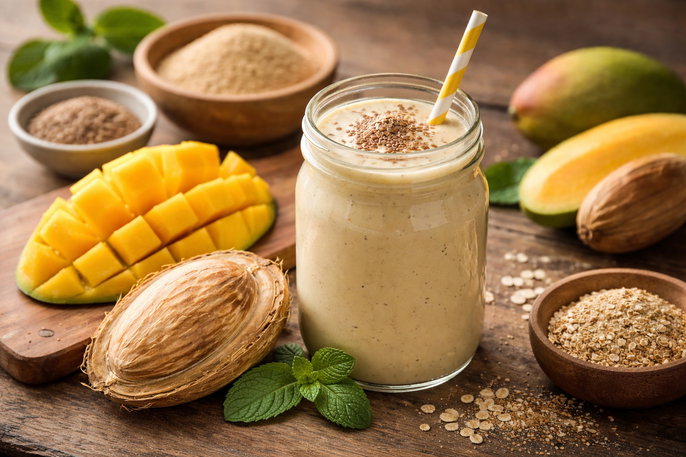
The mango pit is the large seed found inside the mango fruit. Inside this pit is the mango seed kernel, which is the edible part that can be processed into flour, oil, or extracts.
Although it is often discarded as waste, the mango pit contains nutrients and bioactive compounds that have been studied for potential health benefits. These include antioxidants, healthy fats, and plant compounds that may support overall health.
The mango pit is not commonly eaten raw, but it can be dried, ground, or processed before consumption. Its use is more common in traditional practices and in food products made from mango seed flour.
Health benefits
The mango pit contains several compounds that may support health when properly processed and consumed in safe amounts.
1. May have antioxidant effects
The mango pit is rich in polyphenols such as mangiferin and tannins, which act as antioxidants. These compounds help protect cells from damage caused by free radicals and may support long-term health.
2. May support heart health
The fat content in mango seed kernel includes beneficial fatty acids. These fats, along with antioxidants, may help support healthy cholesterol levels and cardiovascular function.
3. May have antimicrobial properties
Studies show that mango pit extracts can help reduce the growth of certain bacteria. This suggests potential benefits in supporting the body’s natural defense against infections.
4. May help reduce inflammation
The bioactive compounds found in the mango pit may have anti-inflammatory effects. These effects can help reduce low-grade inflammation in the body, which is linked to many chronic conditions.
5. May provide nutritional support
The mango pit contains carbohydrates, fiber, and small amounts of protein and minerals. These nutrients can contribute to overall nutrition when included as part of a balanced diet.
Overall, the mango pit may offer health benefits due to its nutrient and antioxidant content, but it should be consumed in processed forms and in moderation.
Nutritional information
The nutritional composition of mango seed kernel can vary depending on processing and variety. Below is an approximate breakdown per 100 g of mango seed kernel flour:
These values are based on studies analyzing mango seed kernel composition and may vary depending on preparation methods.
Recommended daily dose
There is no official recommended daily dose for mango pit consumption. Most studies evaluate extracts or processed forms rather than whole intake.
In general, small amounts of mango seed flour or products made with it can be included occasionally in the diet. Excessive intake is not recommended due to the presence of compounds like tannins that may affect digestion.
Ways to eat it
The mango pit is not typically eaten raw and must be processed before use. Common ways to consume it include:
-
Mango seed kernel flour added to baked goods such as bread or cookies
-
Powder mixed into smoothies or porridges
-
Oil extracted from the seed used in cooking or food products
-
Thickening agent in soups or sauces due to its starch content
Processing helps reduce bitterness and improves safety for consumption.
Possible side effects
Consuming mango pit in large amounts may cause digestive discomfort. This can include bloating or irritation due to its fiber and tannin content.
Some compounds in the mango pit may also interfere with nutrient absorption if consumed excessively. Proper processing helps reduce these effects.
Contraindications
The mango pit is not recommended for people with known sensitivities to mango or related compounds. Allergic reactions, although uncommon, may occur.
It should also be avoided in raw form, as it contains antinutritional compounds that can be harmful if not properly processed. Pregnant or breastfeeding individuals should consult a healthcare professional before consuming products made from mango seed.
Recipes
1. Mango seed flour bread
Ingredients:
-
1 cup mango seed flour
-
2 cups wheat flour
-
1 cup water
-
1 teaspoon salt
-
1 tablespoon oil
Preparation:
Mix all ingredients until a dough forms, then let the dough rest for 30 minutes. Shape and bake at 350°F (180°C) for about 30 minutes.
2. Mango seed smoothie powder mix
Ingredients:
-
1 teaspoon mango seed powder
-
1 cup milk or plant-based milk
-
1 banana
Preparation:
Blend all ingredients until smooth and drink immediately.
The mango pit is often considered a by-product of mango processing, but research shows it has potential as a functional food ingredient. It is commonly used in food innovation, especially in developing flours and oils for commercial products.
However, more human studies are needed to fully understand its effects and safe intake levels.