


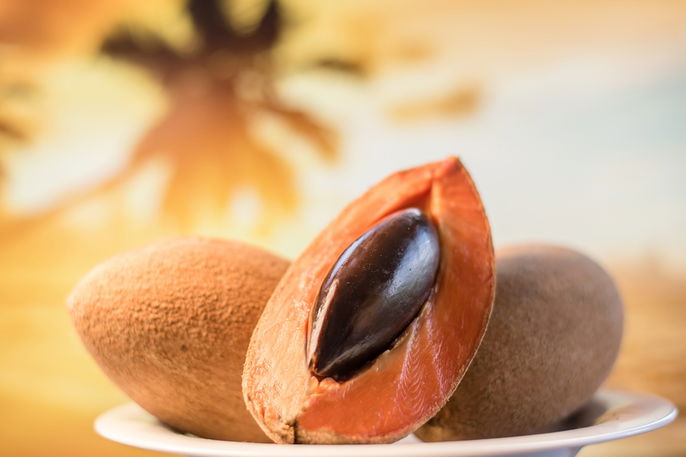
Mamey sapote is a tropical fruit rich in beta-carotene, vitamin C, fiber, and antioxidant compounds that support eye health, strengthen the immune system, aid digestion, and promote healthy skin and hair. It may also help reduce the risk of chronic diseases.
With its sweet flavor and reddish-orange pulp, mamey sapote provides energy and nutrients, making it a nutritious option to include in your daily diet. It can be enjoyed fresh, in smoothies, juices, ice creams, or traditional recipes.
The scientific name of mamey sapote is Pouteria sapota. It is also known as zapote mamey or red sapote. Native to Mexico and Central America, both the pulp and seed are used, and the seed oil is widely applied in cosmetic products.
Health benefits
Mamey sapote offers several potential health benefits, including:
1. Supports eye health
Mamey sapote is high in beta-carotene, which the body converts into vitamin A. This vitamin helps form pigments in the retina, supports night vision, and may reduce the risk of age-related eye problems such as macular degeneration and cataracts.
2. Strengthens the immune system
Vitamin A in mamey sapote supports the growth and proper function of immune cells, helping the body fight off infections caused by viruses, bacteria, and fungi.
Additionally, its vitamin C content helps stimulate the production of white blood cells and antibodies, strengthening immune defenses and helping protect against colds and other infections.
3. Promotes fullness and weight management
Because it contains fiber, mamey sapote helps you feel full longer, which can support appetite control and reduce overall calorie intake throughout the day.
This makes it a useful addition to weight management diets, as long as it is consumed in moderation and as part of a balanced diet.
4. Improves digestion
Mamey sapote provides both soluble and insoluble fiber, which helps promote healthy bowel movements by increasing stool bulk and stimulating intestinal activity.
This supports good digestive health and helps prevent constipation, especially when combined with adequate fluid intake.
5. Protects skin health
The beta-carotene in mamey sapote helps protect the skin from the harmful effects of UV radiation, acting as a natural defense against sunburn.
Along with vitamin C, it supports collagen production and helps neutralize free radicals, which may delay premature aging, reduce wrinkles, and lower the risk of skin cancer.
6. Helps prevent chronic diseases
Antioxidants in mamey sapote, such as carotenoids and vitamin C, help reduce oxidative stress in cells, a process linked to aging and the development of chronic diseases like high blood pressure, diabetes, atherosclerosis, and certain types of cancer.
Although it does not replace medical treatment, eating mamey sapote regularly can complement healthy lifestyle habits that support long-term disease prevention.
7. Promotes healthy hair
Oil extracted from mamey sapote seeds is rich in carotenoids and antioxidant vitamins, which help protect hair follicles from free radical damage. Because of these properties, it is often used in shampoos, conditioners, and hair masks to improve hydration, shine, and strength.
Nutritional information
The following table shows the nutritional composition per 100 grams of mamey sapote:
To gain all the health benefits of mamey sapote, it should be included as part of a balanced and varied diet.
Nutrient values may vary depending on the fruit’s ripeness, the region where it was grown, and the analysis methods used. Therefore, the nutrient ranges shown are approximate and may differ slightly.
How to eat
Mamey sapote can be eaten fresh or used in juices, smoothies, ice creams, jams, and desserts. In Mexico, its seed, known as pixtle, is sometimes roasted and used in traditional recipes such as pozol, a drink made with cacao and corn. The seed is also used to produce oil that is commonly found in cosmetics.
While mamey sapote seed oil is safe for cosmetic use, eating the raw seed in large amounts is not recommended, as it may contain compounds that could be toxic in certain related species.
Is mamey sapote a fruit or a vegetable?
Mamey sapote is a tropical fruit, also called zapote or zapote mamey, recognized for its orange or reddish pulp, sweet taste, and large central seed.
Different types of mamey sapote exist depending on the region, such as Pouteria sapota and Mammea americana, but all are considered fruits, not vegetables.
Mamey sapote vs. yellow mamey
Mamey sapote (Pouteria sapota) originates from Mexico and Central America. It has reddish-orange, sweet, and creamy pulp.
Yellow mamey (Mammea americana), also known as mammee apple, comes from the Caribbean and northern South America. Its pulp is firmer and yellowish, with a flavor that is less sweet than mamey sapote.
Although both fruits are called “mamey,” they come from different species and should not be confused.