


Lupus is an autoimmune disease that happens when the immune system mistakenly attacks healthy cells, leading to widespread inflammation. This condition can affect the skin, joints, kidneys, heart, lungs, and even the brain.
Most common in women between 14 and 45 years old, lupus often develops gradually and can take years to diagnose. Symptoms may come and go in flare-ups, which can make it difficult to distinguish from other conditions.
Although lupus has no cure, treatments like anti-inflammatory drugs, corticosteroids, and immunosuppressants can help control symptoms and improve quality of life. Understanding the causes, symptoms, and treatment options is important for better management of the disease.
Main symptoms
The most common symptoms of lupus include:
-
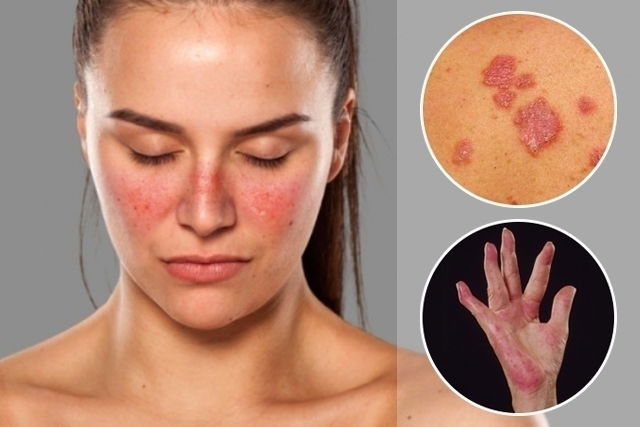
Red skin patches, often forming a butterfly-shaped rash on the face and appearing in other sun-exposed areas
-
Increased sensitivity to sunlight
-
Fever and general discomfort
-
Weight loss and abdominal pain
-
Hair loss
-
Blurred vision
-
Sores in the mouth or throat
-
Joint pain or swelling
People with lupus may also develop mental changes, such as depression or psychosis, as well as kidney problems like lupus nephritis, also known as glomerulonephritis.
These symptoms usually occur in flare-ups, becoming more intense for several days or weeks before easing or disappearing. In some cases, symptoms may remain constant.
Online lupus symptom checker
Enter your symptoms below to assess your risk for lupus.
Confirming a diagnosis
To confirm the diagnosis of Lupus, in addition to assessing all signs and symptoms, your rheumatologist may also prescribe some blood and urine tests.
The main changes that may indicate lupus in the tests are:
- Excess amount of protein in various urine tests;
- Decrease in the number of erythrocytes, or red blood cells, in the blood tests;
- Leukocyte count of less than 4.000/mL in the blood test;
- Decrease in the number of blood platelets in at least two blood tests;
- Lymphocytes levels of less than 1.500/mL in the blood test;
- Presence of anti-double stranded DNA antibody or anti-Sm antibody in the blood test;
- Antinuclear antibodies higher than usual in the blood test.
In addition, your doctor may also request other diagnostic tests such as an x-ray of the thorax or a kidney biopsy, to identify if there are inflammatory lesions in these organs that may be caused by lupus.
What causes lupus?
Lupus is a type of autoimmune disease, which are normally caused by genetic mutations during fetal development. Therefore, lupus is not a contagious disease that can be transmitted.
Nevertheless, it is possible to be born without any symptom and then develop symptoms during adult life, due to factors that can stimulate the appearance of those symptoms, such as excessive sun exposure, viral infections, or the use of some types medication.
In addition, some people may also have a tendency to show the first signs of lupus during stages where hormonal alterations are common, such as puberty, pregnancy, or menopause.
Types of Lupus
Lupus can be classified into different types, depending on the underlying cause and symptoms it presents with:
1. Systemic lupus erythematosus (SLE)
Systemic lupus erythematosus (SLE) is characterized by inflammation in various parts and organs of the body, especially the skin, joints, heart, kidneys and lungs, causing spots on the skin exposed to the sun, joint symptoms such as arthritis, anemia, decreased blood cells. defense and platelets, and changes in the central nervous system, mainly.
2. Discoid or cutaneous lupus
Discoid or cutaneous lupus causes red plaques to appear only on the skin, particularly the scalp and face. It typically does not affect other organs, however, some people with discoid lupus may progress to systemic lupus over time.
3. Drug-induced lupus
Drug-induced or medication-induced lupus can lead to systemic lupus or discoid lupus, and occurs due to the use of certain medications, like hydralazine, procainamide or isoniazid. Inflammation is usually temporary and symptoms disappear after a few months after stopping the medication.
4. Neonatal lupus
Neonatal lupus is one of the rarest types of lupus, but it can happen in babies born to women with lupus.
Treatment options
Treatment for lupus must be guided by the type identified, symptoms presented, and the frequency of symptoms. Since there isn't a unique treatment capable of curing lupus, doctors usually prescribe a combination of medications that work to relieve symptoms, such as:
- Anti-inflammatory medication, like naproxen or ibuprofen: used mainly when lupus causes symptoms of pain, swelling, or fever;
- Antimalarial medication, such as chloroquine: helps avoid the development of lupus symptoms in some cases;
- Corticosteroids, such as prednisone or betamethasone: reduce inflammation in affected organs;
- Immunosuppressants, such as azathioprine or methotrexate: help decrease the action of the immune system and relieve symptoms. This type of medication can cause serious secondary effects such as recurrent infections or increased risk of cancer, and so they should only be used after a thorough medical evaluation.
In addition, it's also important for medications to be taken as prescribed by your rheumatologist, as a treatment plan for lupus can vary from person to person. This will ensure optimal quality of life and symptom control.
Is lupus curable?
There is no cure for lupus, however its symptoms can be controlled and prevented, as long as the doctor's instructions are followed.
Care during treatment
Some additional precautions may be recommended by the rheumatologist during lupus treatment to help relieve symptoms, such as getting adequate sleep, and avoiding direct sun exposure. You should always wear sunscreen and opt for protective clothing, such as a hat , long-sleeved clothes or clothes that have a sun protection factor of SPF 40.
It is also important to eat a healthy diet and to exercise regularly.