


Lower back exercises strengthen the muscles that support the lumbar spine, including the multifidus, erector spinae, quadratus lumborum, gluteus maximus and deep core muscles like the transversus abdominis. These muscles help stabilize the spine and support everyday movement. Improving strength in these areas can also contribute to better posture.
Research shows that exercises focused on lumbopelvic stabilization, core activation and hip strengthening can reduce discomfort and improve function. Studies highlight the importance of activating deeper stabilizing muscles, such as the multifidus and transversus abdominis, to support the spine. Movements like bridges, bird dog, planks and lumbar extension variations can help increase muscle activity and improve motor control.
Consistent use of lower back exercises may improve muscle endurance and spinal mobility. Evidence suggests that combining strengthening movements with stretching, controlled motion and activities like yoga, Pilates or aquatic exercise can further support functional improvement. These benefits are most effective when exercises are performed regularly and progressed over time.
Warm-up
A warm-up helps prepare the spine, hips and core for movement by increasing circulation and improving mobility. Gentle spinal motion and light muscle activation can help reduce stiffness and support better performance during lower back exercises.
A simple warm-up may include one minute of light marching in place, followed by 10 cat cow repetitions, 10 hip hinges and a light 20 second plank hold. These movements prepare the body for the exercises that follow.
Home exercises
Home exercises can strengthen the lower back using bodyweight alone. These movements target important stabilizing muscles and can be performed with minimal space. Research supports these exercises for improving stability, balance and daily function.
1. Bridge
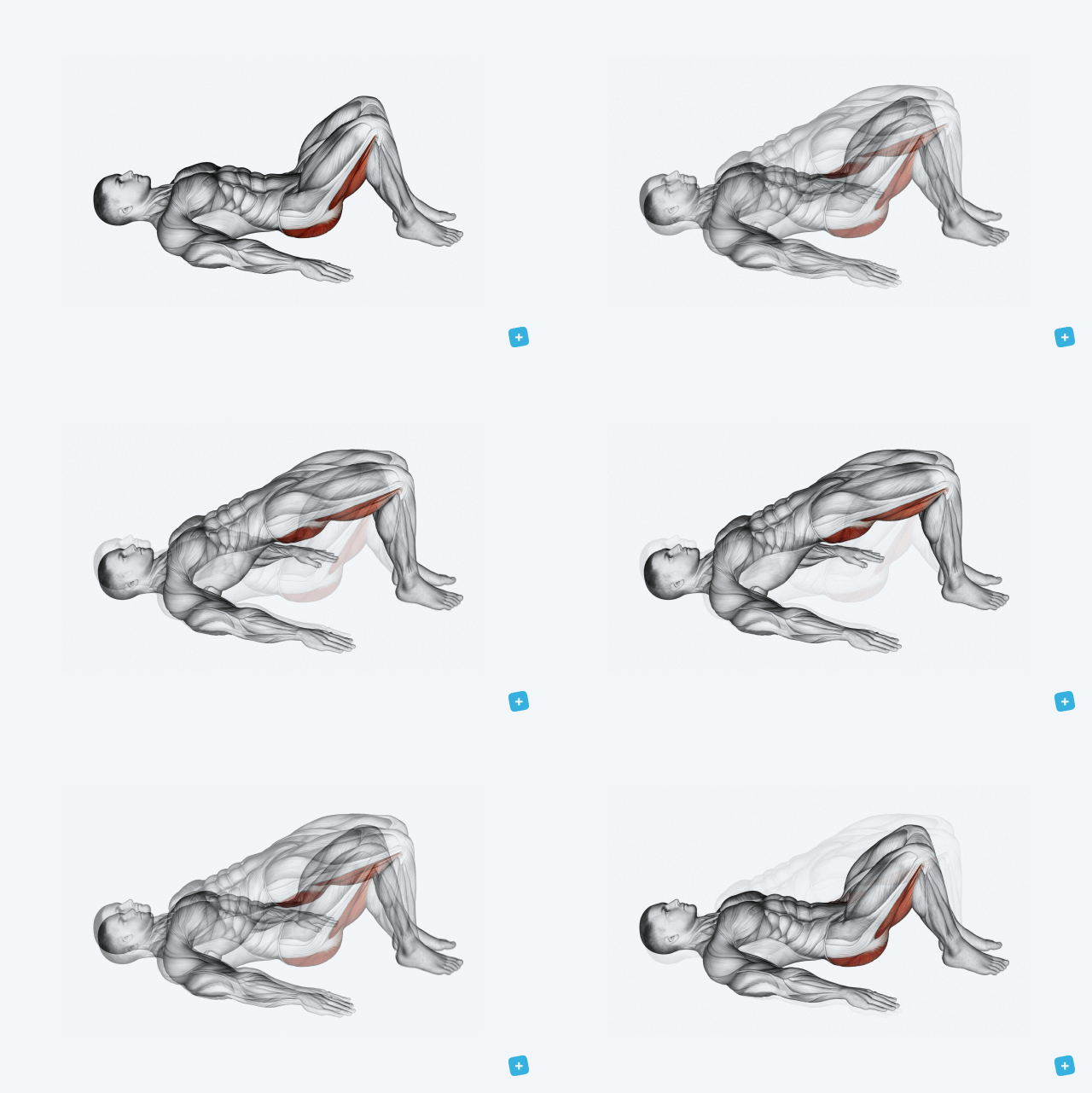
The bridge activates the gluteus maximus and lumbar stabilizers, which help support the spine and pelvis. Studies show that bridge variations can increase gluteal and core engagement.
How to perform: Begin by lying on your back with your knees bent and your feet flat on the floor. Lift your hips upward until your shoulders, hips and knees form a straight line. Lower your hips slowly to return to the starting position.
You should complete three sets of 10 to 12 repetitions.
2. Bird dog
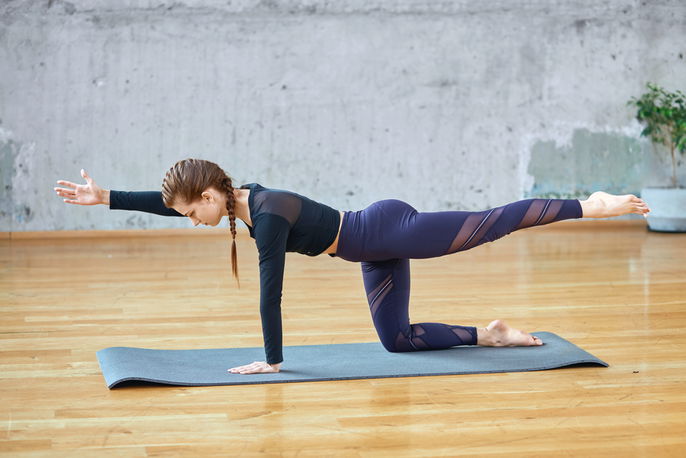
Bird dog strengthens the multifidus, erector spinae and abdominal stabilizers. Research shows that both static and dynamic variations can improve trunk control.
How to perform: Start on your hands and knees with your back in a neutral position. Reach one arm forward while extending the opposite leg backward, keeping your trunk steady. Return your arm and leg to the starting position and repeat on the other side.
You should complete three sets of eight to 10 repetitions on each side.
3. Plank
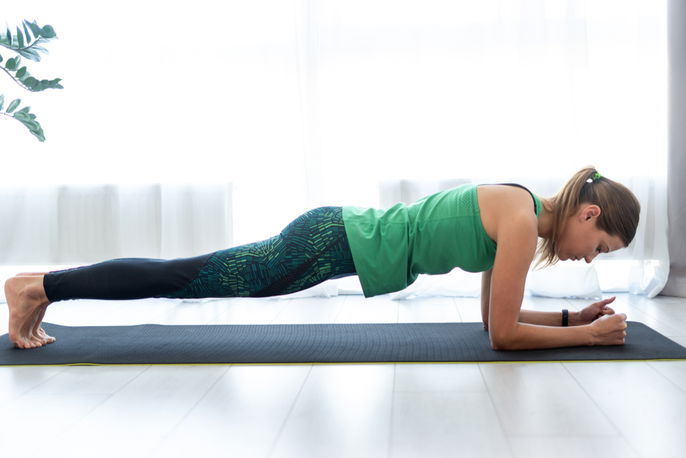
The plank activates the transversus abdominis and other core muscles that support the spine. Evidence shows that planks can help improve core endurance and lumbar stability.
How to perform: Place your forearms on the floor and extend your legs behind you. Hold your body in a straight line without letting your hips drop or rise. Lower your body to rest between rounds.
You should complete three to four rounds of 20 to 30 second holds.
4. Cat cow
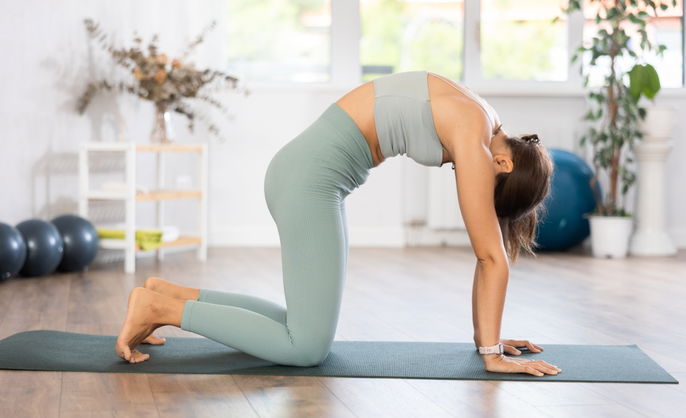
Cat cow promotes gentle spinal movement and can help reduce stiffness. It is commonly used in mobility programs to increase range of motion.
How to perform: Begin on your hands and knees. Arch your back upward toward the ceiling, then slowly lower your belly toward the floor as you lift your head. Continue alternating between these positions.
You should complete two to three sets of 10 to 12 cycles.
5. Pelvic tilts
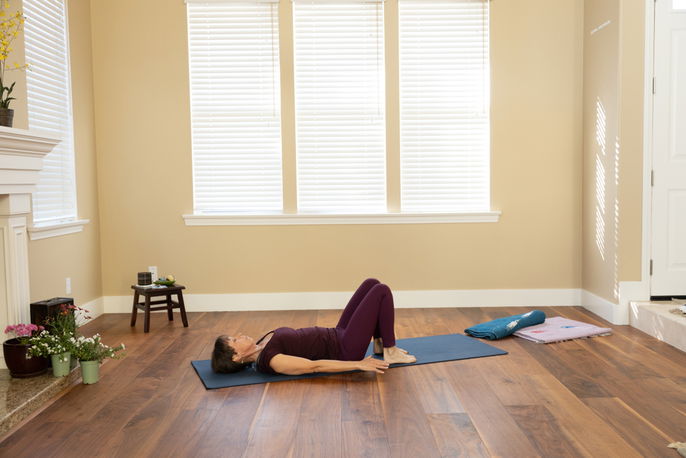
Pelvic tilts activate deep abdominal muscles and help improve lumbopelvic control. Research shows they can influence pelvic tilt angles and support proper spinal alignment.
How to perform: Lie on your back with your knees bent. Gently tilt your pelvis to flatten your lower back against the floor, then return to the starting position.
You should complete three sets of 12 to 15 repetitions.
Gym exercises
Gym exercises use added resistance to strengthen the lumbar extensors and supporting hip muscles. Research highlights movements like deadlift variations, good mornings and extension exercises as effective for increasing posterior chain strength.
1. Romanian deadlift
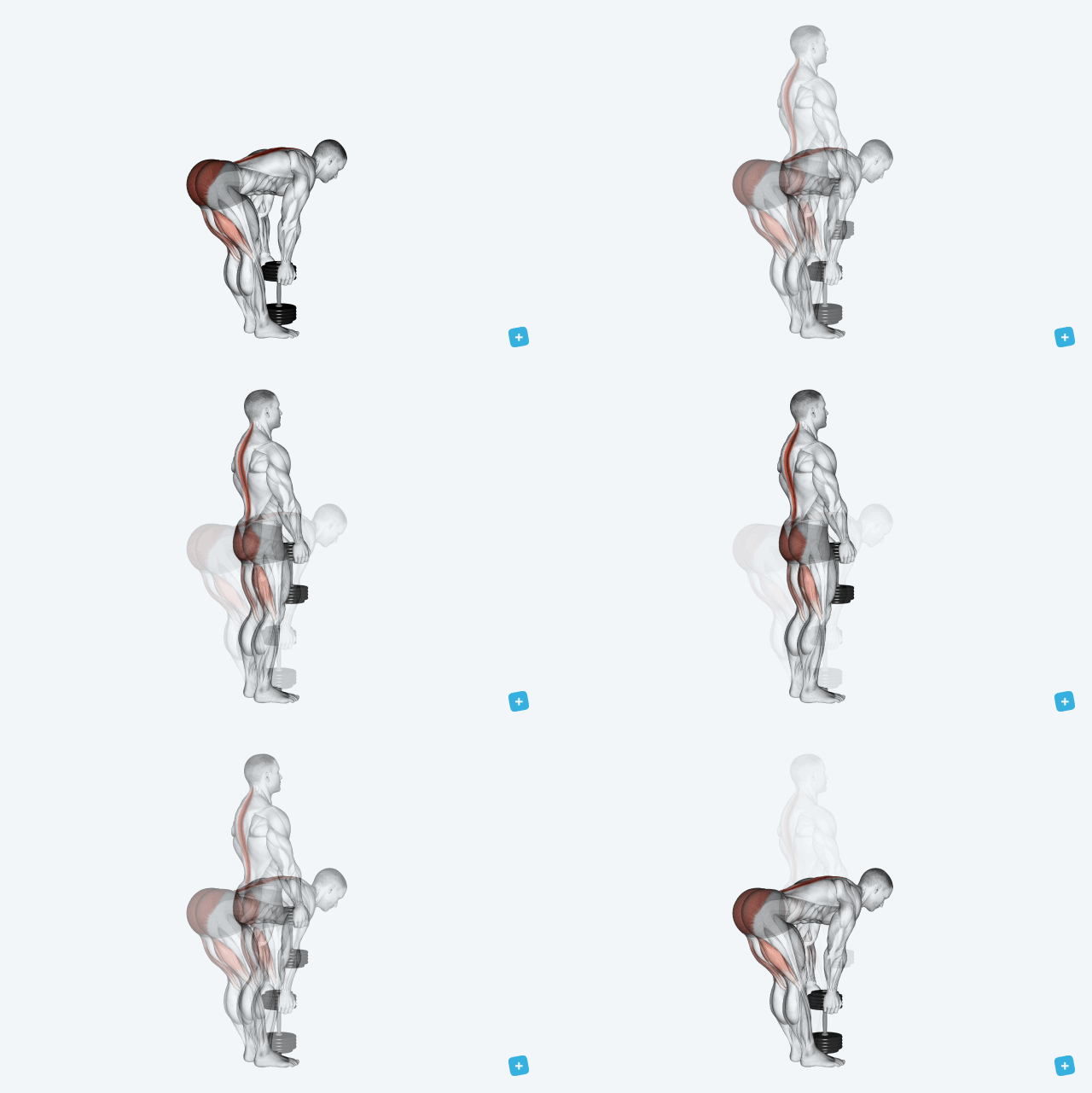
The Romanian deadlift works the erector spinae, hamstrings and gluteus maximus. Research shows this exercise increases lumbar extensor strength and activates the posterior chain.
How to perform: Begin standing with a barbell or dumbbells held in front of your thighs. Hinge at your hips while keeping your spine straight and lower the weight until you feel a stretch in your hamstrings. Drive through your hips to return to standing.
You should complete three to four sets of six to 10 repetitions.
2. Prone back extension on bench
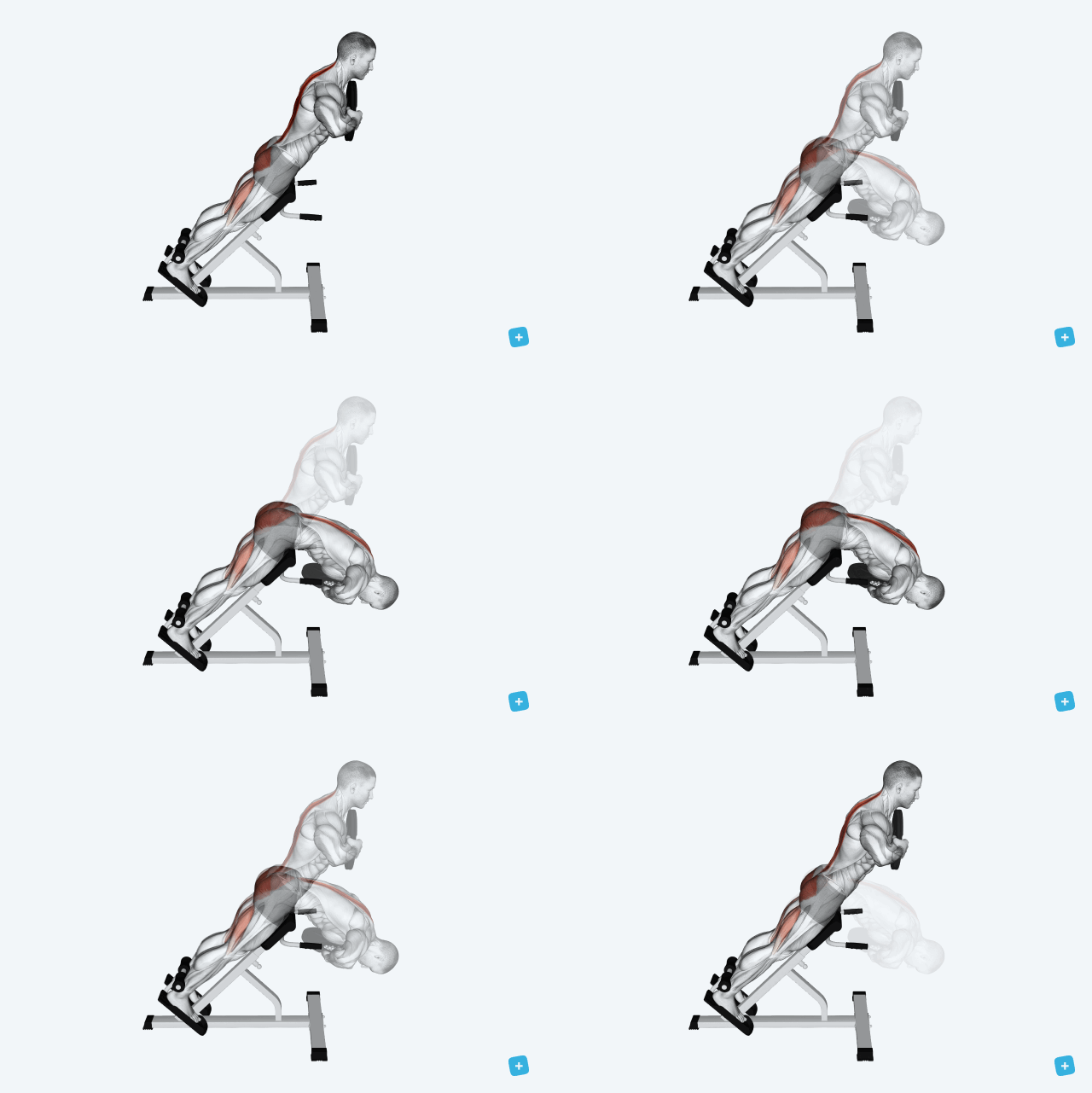
This exercise strengthens the lumbar extensors and multifidus by lifting the upper body against gravity from a stable position. Research supports the use of lumbar extension movements to improve back strength and overall spinal stability.
How to perform: Begin by lying face down on a back extension bench with your hips supported on the pad and your feet secured under the foot rollers. Lower your upper body toward the floor while keeping your spine neutral, then lift your torso by engaging your lower back and glute muscles. Return slowly to the starting position with controlled movement.
You should complete three sets of 10 to 12 repetitions.
3. Good morning
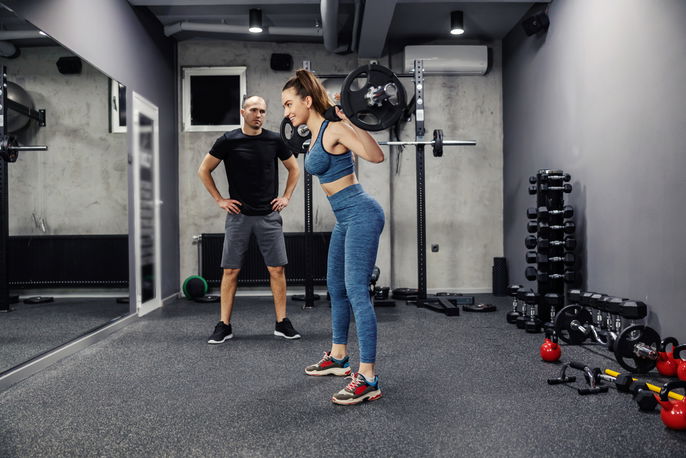
The good morning activates the erector spinae and hamstrings. Studies show increased muscle activation with increased load.
How to perform: Place a barbell across your upper back while standing with your feet hip width apart. Hinge forward at the hips while keeping your spine neutral. Return to standing by driving through your hips.
You should complete three sets of six to eight repetitions.
4. Hip thrust
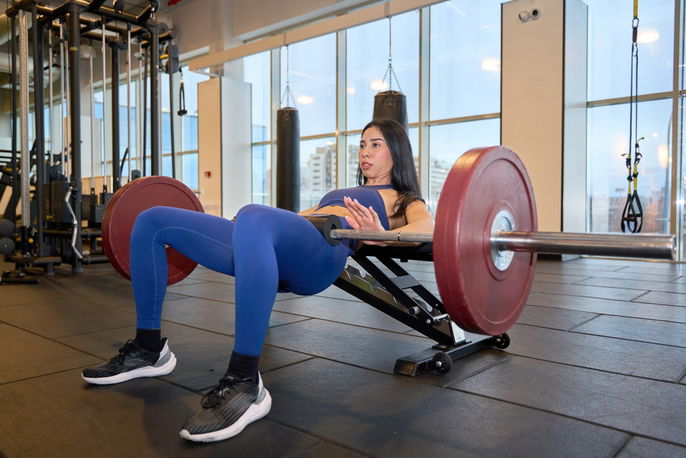
The hip thrust strongly activates the gluteus maximus, which helps support lumbar alignment. Strengthening the glutes can improve overall stability.
How to perform: Sit on the floor with your upper back resting on a bench. Position a weighted bar across your hips. Lift your hips upward until they align with your shoulders and knees, then lower back down.
You should complete three to four sets of eight to 12 repetitions.
5. Cable anti rotation press

This exercise activates deep core muscles and helps limit unwanted trunk rotation. Core stability exercises can improve motor control around the spine.
How to perform: Stand sideways to the cable machine and hold the handle with both hands at chest height. Press the handle forward while resisting rotation. Return to the starting position. Repeat on both sides.
You should complete three sets of 10 repetitions on each side.
Workout plans
These plans provide balanced training that supports strength, stability and mobility in the lower back.
Home workout plan
- Bridge: perform three sets of 12 repetitions.
- Bird dog: perform three sets of 10 repetitions on each side.
- Plank: perform three sets of 25 second holds.
- Pelvic tilts: perform three sets of 15 repetitions.
- Cat cow: perform two sets of 10 repetitions.
Gym workout plan
- Romanian deadlift: perform four sets of eight repetitions.
- Back extension machine: perform three sets of 12 repetitions.
- Hip thrust: perform three sets of 10 repetitions.
- Cable anti rotation press: perform three sets of 10 repetitions on each side.
- Plank: perform three sets of 30 second holds.
To build a plan tailored to your fitness goals and overall needs, consider working with a physical therapist.