


Low triglycerides may be caused by low-calorie diets or certain diseases, like hyperthyroidism or malnutrition. Although there is no minimum value for triglyceride levels in the blood, triglycerides are considered to be low when levels are under 50 ml/dL.
Triglycerides are a type of fat that circulate in the bloodstream and provide energy for the body. While high levels increase the risk of heart disease, very low levels may signal nutritional, metabolic, or genetic problems that need medical attention.
Keeping triglyceride levels within the normal range is important for cardiovascular and overall health. Low triglycerides should always be evaluated by a doctor to rule out underlying conditions and prevent possible complications.
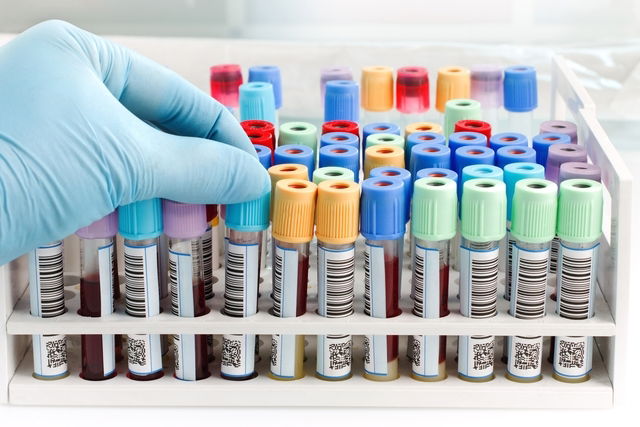
What are triglycerides and normal levels?
Triglycerides are the most common type of fat in the blood and are used as an important source of energy. They come from the food consumed and are also produced by the liver, being stored in fat cells to be released between meals.
The table below shows normal triglyceride ranges in the blood:
Levels below 50 mg/dL are considered low and may require investigation if persistent.
Is it bad to have low triglycerides?
Low triglycerides are usually not harmful and can even be associated with lower cardiovascular risk. Studies show that people with naturally low triglyceride levels may have a reduced risk of heart disease and longer life expectancy.
However, extremely low levels, especially below 35–40 mg/dL, may indicate malnutrition, chronic illness, or genetic conditions. In these cases, low triglycerides may be linked to serious health problems that require medical evaluation.
Symptoms of low triglycerides
Low triglycerides generally do not cause symptoms on their own. When symptoms occur, they are usually related to the underlying cause. These may include:
-
Fatigue and difficulty concentrating
-
Weight loss and muscle mass loss
-
Swollen abdomen
-
Dry skin, brittle nails, and weak hair
-
Digestive changes such as diarrhea, bloating, or greasy stools
-
Anxiety, irritability, or mood swings
-
Jaundice and abdominal swelling in cases of liver disease
What causes low triglycerides?
The main causes of low triglyceride levels are:
1. Diets low in fat and carbohydrates
Ingesting fats and carbohydrates is important for the formation of triglycerides in the body. People who consume diets that are low in these nutrients may consequently have low triglycerides.
How to treat: It's important to adhere to a healthy, balanced diet, as very restrictive diets for long periods of time can cause nutrient deficiencies and health problems. You can consult a registered dietitian if you have doubts about the diet that is right for you.
2. Hyperthyroidism
Hyperthyroidism is characterized by a faster metabolism that leads to the body consuming more energy. This can cause a higher consumption of triglyceride reserves, which leads to a decrease in triglyceride levels in the blood.
In addition to changes in triglyceride levels, hyperthyroidism can also cause weight loss, changes in the heartbeat, weakening of the nails and hair and mood swings. Learn about other symptoms of hyperthyroidism.
How to treat: You should consult a family doctor or endocrinologist to assess your thyroid hormones. If confirmed, the doctor may prescribe medication, such as propylthiouracil and methimazole, to regulate the production of thyroid hormones.
3. Use of cholesterol-lowering drugs
Some drugs used to lower blood cholesterol levels, such as statins, fibrates and nicotinic acid, can also lower triglycerides.
How to treat: Low triglyceride levels induced by cholesterol medications may prompt a reassessment of cholesterol medication. Speak to your doctor about whether your treatment plan is adequate.
4. Malnutrition
Malnutrition or under-eating is associated with low intake or reduced absorption of nutrients. This leads to a decrease in several important nutrients, including triglycerides, in the body.
Some symptoms that can help identify malnutrition include:
-
Excessive loss of weight, muscle mass and fat
-
Lack of appetite
-
Swollen belly
-
Weak hair, brittle nails and dry skin
-
Mood swings
How to treat: It is important to consult a general practitioner to confirm the diagnosis of malnutrition and recommend appropriate treatment, which includes the use of supplements and increased food intake.
5. Malabsorption syndrome
With this condition, the intestine is unable to absorb nutrients such as vitamins, proteins, fats and carbohydrates properly, reducing the formation of triglycerides in the body. People with malabsorption syndrome usually have celiac disease or Crohn's disease, for example.
How to treat: You should consult a gastroenterologist who will order tests such as endoscopy and a stool test, identify the cause of the malabsorption and prescribe the most appropriate treatment.
6. Liver disease
Chronic liver conditions, such as cirrhosis, can interfere with triglyceride production and metabolism. Reduced bile acid synthesis and nutrient malabsorption may contribute to persistently low levels.
How to treat: Management involves treating the underlying liver condition. This may include medications, nutritional therapy with medium-chain triglycerides, and in severe cases, liver transplantation.
7. Small intestinal bacterial overgrowth (SIBO)
An imbalance in intestinal bacteria can disrupt fat digestion and absorption. This may lead to nutrient deficiencies and lower triglyceride levels.
How to treat: Treatment usually includes antibiotics to reduce bacterial overgrowth, along with dietary adjustments and management of underlying digestive disorders.
8. Genetic disorders
Rare conditions such as abetalipoproteinemia and familial hypobetalipoproteinemia can cause extremely low triglyceride levels. These disorders are associated with neurological problems, liver disease, and vitamin deficiencies.
How to treat: These conditions have no cure, but treatment may include high-dose vitamin supplementation (especially vitamins A, D, E, and K), dietary adjustments, and specialized monitoring to reduce complications.
Complications and health risks
Low triglycerides are often harmless, but in some cases they may indicate or contribute to complications. Possible health risks include:
-
Deficiencies in fat-soluble vitamins (A, D, E, and K)
-
Hormonal imbalances, including reproductive health problems
-
Cognitive effects such as reduced concentration or memory problems
-
Increased health risks in patients with heart failure
-
Higher susceptibility to infections and delayed wound healing
Very low triglyceride levels, especially when persistent, should be carefully monitored to avoid these complications.
When to see a doctor
Medical evaluation is recommended when triglyceride levels are consistently below 40 mg/dL, when symptoms of malnutrition or malabsorption are present, or when there is a family history of genetic lipid disorders. Unexplained weight loss, fatigue, or digestive changes should also prompt medical assessment.