


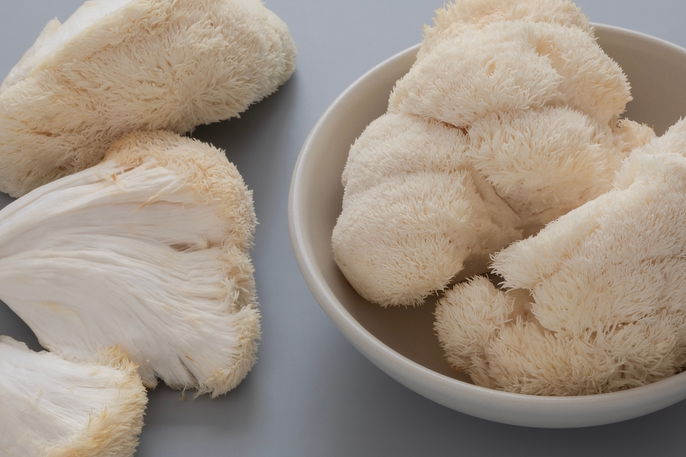
Lion’s mane mushroom, scientifically known as Hericium erinaceus, is a type of fungus commonly used in traditional Asian medicine due to its potential health benefits, including helping to prevent Alzheimer’s disease, reduce symptoms of depression, and support diabetes treatment.
However, most studies on lion’s mane mushroom have been conducted in animals, and more research in humans is needed to confirm its benefits. Therefore, it should not replace conventional medical treatment but may be used as a complementary approach under medical guidance.
Lion’s mane mushroom can be found in markets or pharmacies and is consumed as a food or in the form of tea, capsules, or tincture. It should only be used under the guidance of a doctor or licensed herbalist.
Health benefits
1. May help relieve depression
Lion’s mane mushroom contains compounds like hericenones and erinacines, which are believed to have antidepressant effects and may help alleviate mild symptoms of depression.
These compounds may help balance brain chemicals such as norepinephrine, serotonin, and dopamine. Additionally, lion’s mane may support the function of the hippocampus, a brain region involved in memory, motivation, and emotional regulation.
2. May help prevent Alzheimer’s disease
Due to its neuroprotective compounds (hericenones and erinacines), lion’s mane mushroom may protect brain cells and stimulate regeneration, which could help prevent Alzheimer’s disease and reduce memory loss.
It may also help prevent brain damage caused by beta-amyloid plaques, which are commonly found in the brains of individuals with Alzheimer’s.
3. May improve memory
Lion’s mane mushroom may improve memory through its antioxidant and neuroprotective properties. These effects may help reduce oxidative damage in the brain, improving cognitive function, focus, and memory.
However, more human studies are needed to confirm these effects.
4. May ease menopause symptoms
Because of its potential antidepressant effects, lion’s mane mushroom may help reduce menopause-related symptoms like anxiety, mood swings, and irritability.
5. May support nerve repair
Lion’s mane mushroom may promote nerve regeneration by stimulating the growth and repair of nerve cells. This could be helpful in supporting recovery from neurological conditions such as stroke or Parkinson’s disease.
6. Supports gut health
Lion’s mane mushroom may support gut health by modulating the gut microbiota, acting as a prebiotic. This may be beneficial for managing inflammatory bowel diseases like ulcerative colitis or Crohn’s disease.
7. Strengthens the immune system
By improving gut microbiota balance, lion’s mane mushroom may enhance immune function, helping the body to fight infections more effectively.
8. May help treat stomach ulcers
Lion’s mane mushroom may assist in treating stomach ulcers due to its antibacterial properties, which help inhibit the growth of Helicobacter pylori, a bacteria linked to gastric ulcers and stomach lining damage.
9. May help regulate blood sugar levels
Lion’s mane mushroom contains erinacines, which have hypoglycemic effects. These compounds may inhibit the enzyme alpha-glucosidase, which breaks down carbohydrates in the intestines, reducing the absorption of sugar into the bloodstream.
This action may support diabetes treatment by improving blood sugar control. However, more studies are needed, and it should not be used as a substitute for medical treatment.
10. May reduce diabetic nerve pain
Thanks to its antioxidant and nerve-protective effects, lion’s mane mushroom may help relieve diabetic neuropathy pain and may prevent nerve damage caused by prolonged high blood sugar levels.
11. May support heart health
Lion’s mane mushroom extract may help lower triglycerides and prevent cholesterol oxidation, reducing plaque buildup in the arteries and lowering the risk of heart conditions such as heart attack or stroke.
It also contains isoindolones like hericenone B, which may help prevent blood clot formation by regulating platelet activity.
12. May relieve osteoarthritis symptoms
Lion’s mane mushroom contains glycoproteins, polysaccharides, and ketones with anti-inflammatory and antioxidant properties that may help relieve osteoarthritis symptoms and slow the disease’s progression.
Animal studies suggest that lion’s mane extract may reduce the production of inflammatory substances in cartilage and synovial fluid, contributing to symptom relief.
13. May help prevent cancer
Lion’s mane mushroom’s antioxidant properties may help prevent cancers such as colorectal and stomach cancer by protecting cells from free radical damage.
Laboratory studies have shown that lion’s mane may also help slow the growth of tumor cells or promote their destruction, though human studies are still needed.
How to use lion’s mane mushroom
Lion’s mane mushroom can be used in the form of tea, capsules, tincture, or as part of meals.
Lion’s mane mushroom tea
Lion’s mane tea can be made using powdered mushroom, which is available at health food stores.
Ingredients:
-
1½ tablespoons of lion’s mane mushroom powder
-
3 cups of filtered water
Instructions:
Bring the water to a boil, then add the powder. Let it simmer for 15 to 20 minutes. Remove from heat, allow it to cool slightly, and drink 1 cup.
Lion’s mane mushroom tincture
Lion’s mane tincture can be taken orally. The general adult dosage is 15 to 20 drops up to 3 times per day, or as directed by a doctor or herbalist.
Lion’s mane mushroom capsules
Capsules can vary in extract concentration, so dosing depends on the product. The typical adult daily dose ranges from 1050 to 3000 mg per day.
Capsules should be taken with a full glass of water, preferably on an empty stomach or before meals. Always consult a healthcare professional for personalized dosing.
Lion’s mane mushroom in cooking
Lion’s mane mushroom can be eaten raw or used in recipes like soups, risottos, and pasta dishes.
Possible side effects
Lion’s mane mushroom is generally well-tolerated when consumed as food.
However, when taken as tea, capsules, or tincture, it may cause mild side effects like nausea, stomach discomfort, or skin rash.
In rare cases, it may cause allergic reactions, with symptoms such as difficulty breathing, throat tightness, or swelling of the mouth, tongue, or face. These reactions require immediate medical attention.
Who should avoid lion’s mane mushroom
Lion’s mane mushroom should not be used by:
-
Children
-
Pregnant or breastfeeding women
-
People allergic to mushrooms
People with diabetes should only use it under medical supervision, as it may interact with blood sugar medications and increase the risk of hypoglycemia.
It should also be used with caution by individuals taking blood thinners, as it may increase bleeding risk. Usage should be discontinued at least 2 weeks before any surgery or dental procedure.
Lion’s mane tincture contains alcohol and should not be used by individuals recovering from alcoholism or taking disulfiram.