


Lightning crotch is a term used to describe a sudden, sharp, shooting pain felt in the vaginal or pelvic area, most often during pregnancy. It is not a medical diagnosis, but rather a common way people describe brief nerve-like pain related to changes in the pelvic region.
This sensation is usually short-lived but can feel intense, often described as an electric shock or stabbing pain. It is commonly linked to normal changes during pregnancy, such as pressure from the baby, stretching of ligaments, or pelvic joint movement.
Although lightning crotch is generally harmless, it can be uncomfortable and sometimes concerning. Understanding its symptoms, causes, and management options can help differentiate it from more serious conditions and guide when medical evaluation may be needed.
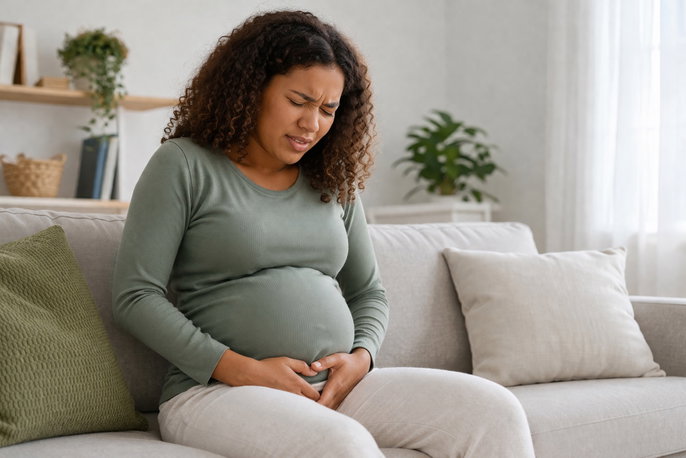
Main symptoms
Lightning crotch typically presents with sudden and brief discomfort in the pelvic area.
Common symptoms include:
-
Sharp, stabbing or electric shock-like pain in the vagina or pelvis
-
Pain that lasts only a few seconds
-
Sensation triggered by movement, such as standing up, walking, or shifting position
-
Pain that may radiate to the groin, thighs, or lower abdomen
-
Irregular episodes without a clear pattern
These symptoms are usually temporary and do not persist, which helps distinguish lightning crotch from other types of pelvic pain.
Common causes
Lightning crotch is most often associated with physical and hormonal changes during pregnancy. It is linked to conditions that affect the pelvic region.
1. Pressure on nerves
As the baby grows, it can press on nerves near the cervix and pelvic floor. This pressure can trigger sudden, sharp pain that feels like an electric shock.
2. Pelvic girdle changes
Pregnancy-related pelvic girdle pain occurs due to changes in the joints and ligaments of the pelvis. Hormonal changes can increase joint mobility, which may lead to instability and pain.
3. Round ligament stretching
The round ligaments support the uterus and stretch as it grows. Sudden movements can cause sharp, brief pain in the lower abdomen or groin that may feel similar to lightning crotch.
4. Pubic symphysis dysfunction
This condition involves excessive movement or separation of the joint at the front of the pelvis. It can cause sharp pain in the pubic area, especially with movement.
Confirming a diagnosis
Lightning crotch itself is not diagnosed as a separate condition. Instead, healthcare providers assess symptoms and rule out other causes of pelvic pain.
Diagnosis is usually based on the description of brief, sharp pain that occurs with movement and resolves quickly. A physical exam may be performed to check for signs of pelvic girdle pain or joint instability.
In some cases, additional evaluation may be needed to exclude other conditions, especially if the pain is persistent, severe, or associated with other symptoms.
Treatment options
Treatment focuses on reducing discomfort and managing underlying pelvic changes.
1. Lifestyle and movement adjustments
Changing positions slowly and avoiding sudden movements can help reduce pain episodes. Resting when discomfort appears may also provide relief.
2. Physical therapy
Pelvic floor physiotherapy can improve stability and reduce strain on the pelvic joints. Exercises may help strengthen supporting muscles and improve posture.
3. Support devices
Pelvic support belts can help stabilize the pelvis and reduce pressure on joints and ligaments.
4. Gentle exercise
Low-impact activities and guided exercises may help maintain strength and flexibility, which can reduce symptoms over time.
When to see a doctor
Although lightning crotch is usually harmless, medical evaluation is important if symptoms change.
Medical attention may be needed if:
-
Pain becomes constant or severe
-
There is difficulty walking or standing
-
Pain is accompanied by fever, bleeding, or unusual discharge
-
Symptoms interfere significantly with daily activities
These signs may indicate other conditions that require treatment.
Prevention measures
There is no guaranteed way to prevent lightning crotch, as it is related to normal pregnancy changes. However, some strategies may help reduce its frequency.
-
Maintaining good posture
-
Avoiding sudden movements
-
Using supportive footwear
-
Performing recommended pelvic exercises
-
Using a support belt when needed
These measures can help reduce strain on the pelvic region and improve comfort
