


- Leptospirosis is a bacterial infection spread through contact with contaminated water or animal urine, especially during flooding.
- Symptoms can appear suddenly and may include fever, chills, body aches, and, in severe cases, jaundice and kidney failure.
- Early diagnosis, proper treatment, and simple prevention steps like avoiding contaminated water help reduce the risk of serious complications.
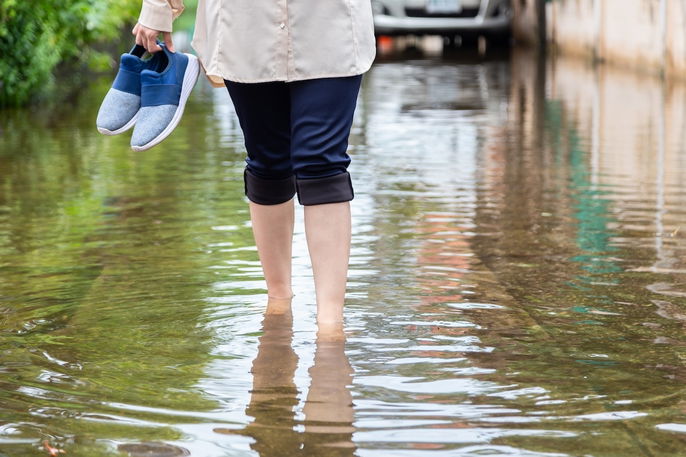
Leptospirosis is an infectious disease caused by the bacterium Leptospira, transmitted to humans through contact with the urine of infected animals such as rats, dogs, and cats, and is common during flooding events.
When this bacterium comes into contact with skin, whether broken or intact, it causes infection and leads to symptoms such as fever, chills, red eyes, headache, and nausea.
It is important to go to the emergency room whenever leptospirosis is suspected so that treatment can begin quickly and complications that may be life-threatening can be avoided.
Main symptoms
The main symptoms of leptospirosis are:
-
Fever
-
Headache
-
Body aches, especially in the calves, back, and abdomen
-
Loss of appetite
-
Vomiting or diarrhea
-
Chills
Symptoms of leptospirosis appear suddenly and usually develop between 7 and 14 days after exposure to the bacteria.
In more severe cases, a person may develop Weil’s disease or Weil’s syndrome, characterized by jaundice, kidney failure, bleeding, and difficulty breathing.
For this reason, it is important to go to the emergency room as soon as symptoms of leptospirosis appear to prevent the development of severe infection, which can be life-threatening.
Which organs are affected by leptospirosis?
The most severe stage of leptospirosis, called the icteric phase, affects the liver and kidneys, causing jaundice with yellow skin and eyes, as well as kidney failure.
In addition, in this phase of infection, leptospirosis may also affect the heart, brain, and muscles.
In these situations, the infection is more severe and can be life-threatening, or it may last for weeks or months if the person survives.
Confirming a diagnosis
The diagnosis of leptospirosis is made by a general practitioner or infectious disease specialist through an evaluation of symptoms and a physical exam, taking into account the possibility of having come into contact with contaminated water.
To confirm the diagnosis, the doctor may also order blood and urine tests to assess kidney and liver function and coagulation capacity.
Therefore, evaluation of urea, creatinine, bilirubin, AST, ALT, gamma-GT, alkaline phosphatase, CPK, and CRP levels is recommended, in addition to a complete blood count.
Along with these tests, tests to identify the bacteria, as well as antigens and antibodies produced by the body against this microorganism, are also indicated.
Common causes
Leptospirosis is caused by bacteria of the Leptospira genus, which can infect rats in particular, as well as cats, cattle, pigs, and dogs, without causing any symptoms.
However, when these animals urinate, they may release the bacteria into the environment, which can infect people and lead to infection.
How it is transmitted
According to the Centers for Disease Control and Prevention (CDC), exposure to water or soil contaminated with the urine of infected animals is the most common route of transmission, particularly after heavy rainfall or flooding.
When skin comes into contact with the urine of infected animals, especially if there are cuts, scratches, or wounds, the Leptospira bacteria enter the body and cause infection.
Risk factors
The risk of leptospirosis is higher when coming into contact with contaminated water from floods, heavy rains, mud, moist soil, garbage, and agricultural fields.
Another form of contamination is ingesting canned drinks or eating canned foods that have not been sanitized and that may have come into contact with rat urine.
In addition, there is also increased risk in people who work on farms or veterinarians.
Treatment options
Treatment for leptospirosis must be done under the guidance of an infectious disease specialist or general practitioner, with the goal of eliminating the bacteria and relieving symptoms.
In most cases, treatment can be done at home with the use of medications to relieve symptoms, such as acetaminophen, as well as hydration and rest.
In addition, antibiotics such as doxycycline or penicillin may be recommended by the doctor to fight the bacteria.
However, the effect of antibiotics is greater within the first 5 days of illness, which is why early identification of infection is important.
Does leptospirosis have a cure?
Leptospirosis can be cured when diagnosed early and treated according to the guidance of a general practitioner or infectious disease specialist.
Prevention measures
To protect yourself and prevent leptospirosis, it is recommended to:
-
Avoid contact with potentially contaminated water
-
Use rubber boots when you must enter floodwater, for example
-
Wash and disinfect floors, furniture, water tanks, and everything that came into contact with floodwater using bleach or chlorine
-
Throw away foods that came into contact with contaminated water
-
Wash all cans before opening them, whether food or beverages
-
Boil water for drinking and cooking and add 2 drops of bleach per liter of water
-
Eliminate all standing-water sites after floods due to the multiplication of dengue or malaria mosquitoes
-
Do not allow garbage to accumulate at home and keep it in sealed bags and off the floor to prevent rodent infestation
Other measures that help prevent this disease include always using rubber gloves, especially when handling garbage or cleaning areas that may contain rats or other rodents, and washing food very well with potable water before consuming it, as well as washing hands before eating.