


Lemon extract is a concentrated product made from lemon, usually from the peel, zest, oil, or flavonoid-rich parts of the fruit. It is different from lemon juice because it is stronger in flavor and may contain more concentrated plant compounds from the peel.
Lemon extract can be used as a food flavoring, especially in baked goods, drinks, sauces, and desserts. Some supplements also use lemon-derived flavonoids, such as eriocitrin and hesperidin, which are natural antioxidants found in lemon peel.
Lemon extract is not the same in every product, as culinary extracts are mainly used for flavor while supplements may contain more concentrated lemon flavonoids. This difference is important because the dose, strength, uses, and possible side effects can vary depending on the type of extract.
Health benefits
Lemon extract contains natural compounds that may support health in different ways. These effects are mainly linked to vitamin C, flavonoids, polyphenols, and essential oils found in lemon peel and other lemon parts.
1. Rich in antioxidants
Lemon extract may have antioxidant effects because lemon peel contains flavonoids and polyphenols, including eriocitrin and hesperidin. These compounds can help reduce oxidative stress, which happens when unstable molecules damage cells.
Some studies have shown that lemon peel polyphenols can protect cells from oxidative damage in laboratory settings. This suggests that lemon extract may help support normal cell protection, although more human studies are needed.
2. May help reduce inflammation
Lemon-derived compounds may help lower inflammatory activity in the body. This effect has been seen in studies involving lemon polyphenols, lemon peel extract, and lemon flavonoid preparations.
Inflammation is part of the body’s normal defense system, but long-term inflammation can contribute to health problems. Lemon extract should not replace medical treatment, but it may be one part of an antioxidant-rich diet.
3. May support blood sugar control
Standardized lemon flavonoid supplements have been studied in people with prediabetes. In these studies, lemon flavonoid complexes were linked to improvements in fasting blood sugar, HbA1c, oxidative stress, inflammatory markers, and gut bacteria balance.
These results apply to specific supplements and doses, not necessarily to small amounts of culinary lemon extract used in recipes. More research is needed before lemon extract can be recommended as a treatment for blood sugar problems.
4. May support gut health
Lemon flavonoids may influence gut bacteria and the production of short-chain fatty acids. These changes may help explain some of the effects seen in studies on prediabetes and metabolic health.
Gut health depends on many factors, including fiber intake, sleep, exercise, and overall diet. Lemon extract alone is unlikely to have a major effect if the rest of the diet is poor.
5. May have antimicrobial activity
Lemon peel extract has shown activity against some bacteria in laboratory studies. One study also looked at a garlic and lemon extract solution used in dental care, where it was tested against Enterococcus faecalis biofilm in primary teeth.
These findings do not mean lemon extract can treat infections. It should not be used in place of antibiotics, dental care, or medical treatment.
6. May support skin cell protection
Lemon peel polyphenols have been studied in human skin cells exposed to oxidative stress. These compounds appeared to have protective effects in the laboratory.
This does not mean lemon extract should be applied directly to the skin. Lemon peel and citrus oils can irritate the skin or increase sensitivity to sunlight, especially if used in concentrated forms.
Overall, lemon extract may offer antioxidant, anti-inflammatory, metabolic, gut, antimicrobial, and skin-related benefits. However, stronger evidence is still needed, especially from larger human studies using clearly defined products and doses.
Nutritional information
The nutrients in lemon extract depend on the type of product. Culinary lemon extract is usually used in very small amounts, while lemon peel extracts and supplements may be more concentrated in flavonoids and polyphenols.
The table below summarizes the main nutrients and compounds described in the source file for a typical small serving of culinary lemon extract, about 1 teaspoon or 5 mL. Exact amounts can vary by brand and preparation method.
Recommended daily dose
There is no official recommended daily dose for lemon extract. The best amount depends on the type of product, how concentrated it is, and whether it is being used as a food flavoring or as a supplement.
For culinary use, lemon extract is usually added in small amounts, such as ¼ to 1 teaspoon in recipes. Because it has a strong flavor, only a small amount is usually needed.
For supplements, studies using standardized lemon flavonoid complexes have tested doses such as 200 mg, 400 mg, or 800 mg per day for about 12 weeks in people with prediabetes. These doses apply only to the studied supplement formulas and should not be treated as a general dose for all lemon extract products.
Ways to consume
Lemon extract can be used to add lemon flavor without adding much liquid to a recipe. It is usually more concentrated than lemon juice.
Common ways to use lemon extract include:
-
Adding it to cakes, muffins, cookies, and quick breads.
-
Mixing a small amount into yogurt, smoothies, or oatmeal.
-
Adding it to homemade salad dressings.
-
Using it in glazes, frostings, and dessert fillings.
-
Stirring a small amount into tea or sparkling water.
-
Adding it to marinades for fish, chicken, or vegetables.
Culinary lemon extract should be used carefully because too much can give food a bitter or artificial taste.
Possible side effects
Lemon extract can cause stomach discomfort, nausea, heartburn, or irritation in some people, especially when used in large amounts or in concentrated supplement form.
Citrus extracts and lemon peel products may also cause allergic reactions in sensitive people. Symptoms may include itching, swelling, rash, hives, or breathing problems.
Lemon peel and citrus-derived ingredients may contain compounds called furanocoumarins. These compounds can make the skin more sensitive to sunlight, especially when concentrated citrus oils or extracts are applied to the skin.
Culinary lemon extract may contain alcohol, depending on the product. This is usually present in small amounts when used in cooking, but it may matter for people avoiding alcohol.
Contraindications for use
People with a known allergy to lemon, citrus fruits, or citrus peel should avoid lemon extract.
People with frequent heartburn, acid reflux, gastritis, or stomach ulcers may need to avoid concentrated lemon products if they worsen symptoms.
Lemon extract supplements should be used with caution by people taking medication for diabetes, because lemon flavonoid products have been studied for effects on blood sugar. Medical guidance is especially important when blood sugar-lowering medication is already being used.
Pregnant or breastfeeding people should avoid high-dose lemon extract supplements unless approved by a healthcare professional. Small amounts used as food flavoring are generally different from concentrated supplements.
People with sensitive skin should avoid applying lemon extract, lemon peel extract, or lemon essential oil directly to the skin, especially before sun exposure.
Lemon extract vs lemon juice
Lemon extract and lemon juice are not the same. Lemon juice is the acidic liquid from the fruit, while lemon extract is usually a concentrated flavoring made from lemon oil, zest, or peel compounds.
Lemon extract gives a strong lemon aroma and flavor with very little liquid. Lemon juice adds acidity and moisture, so it may change the texture or taste of recipes in a different way.
Recipes
Lemon extract can be use in the following reipes:
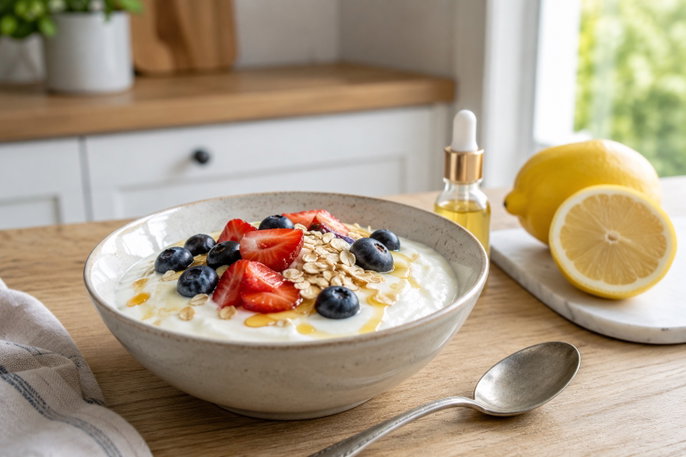
1. Lemon yogurt bowl
Ingredients
-
1 cup plain yogurt
-
¼ teaspoon lemon extract
-
1 teaspoon honey
-
2 tablespoons oats
-
½ cup berries
Preparation method
Mix the yogurt, lemon extract, and honey in a bowl. Add the oats and berries on top, then serve cold.
2. Lemon oatmeal
Ingredients
-
½ cup rolled oats
-
1 cup milk or water
-
¼ teaspoon lemon extract
-
1 teaspoon honey or maple syrup
-
1 tablespoon chopped nuts
Preparation method
Cook the oats with milk or water until soft. Stir in the lemon extract and sweetener, then top with chopped nuts.
3. Lemon chia pudding
Ingredients
-
2 tablespoons chia seeds
-
½ cup milk or plant-based milk
-
¼ teaspoon lemon extract
-
1 teaspoon honey
-
¼ cup chopped fruit
Preparation method
Mix the chia seeds, milk, lemon extract, and honey in a small container. Refrigerate for at least 2 hours, then add chopped fruit before serving.
4. Lemon smoothie
Ingredients
-
1 banana
-
½ cup plain yogurt
-
½ cup milk or plant-based milk
-
¼ teaspoon lemon extract
-
½ cup frozen mango or berries
Preparation method
Blend all ingredients until smooth. Serve cold.