


- Laparoscopic hysterectomy is a minimally invasive surgery using small incisions for faster recovery and less scarring than traditional methods.
- This procedure treats various gynecological conditions like fibroids and endometriosis, and it is also used for gender-affirming care.
- Recovery involves following specific medical guidelines, managing gas-related discomfort, and avoiding strenuous activity or heavy lifting for several weeks.
Laparoscopic hysterectomy is a surgical procedure used to remove the uterus through small abdominal incisions. Your doctor may recommend this surgery to treat various conditions, including endometriosis, uterine fibroids, or gynecological cancers.
Several surgical techniques are available depending on your specific health needs and the surgeon's expertise. These options include total or subtotal laparoscopic hysterectomies, which differ based on whether the cervix is removed or preserved.
After the procedure, it is common to experience mild discomfort, pelvic pain, or digestive issues like constipation and gas. Most patients benefit from a combination of rest and light movement, along with prescribed pain management medications.
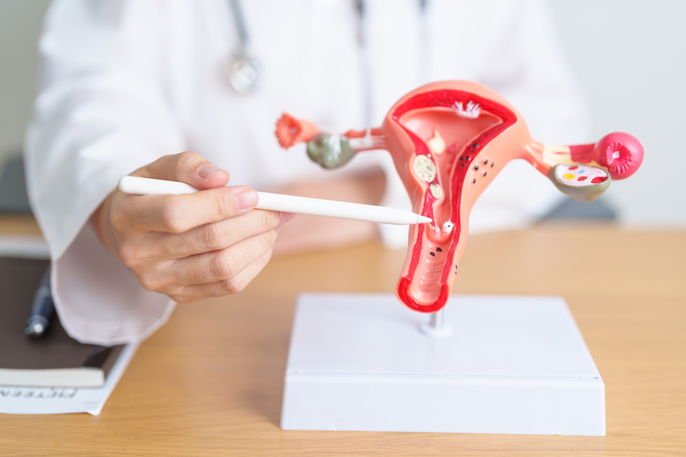
What laparoscopic hysterectomy is for
A laparoscopic hysterectomy may be used to treat several different medical conditions, including:
-
Chronic pelvic pain
-
Endometriosis and adenomyosis
-
Endometrial hyperplasia
-
Uterine fibroids
-
Abnormal, heavy, or painful uterine bleeding
-
Pelvic inflammatory disease (PID)
-
Gynecological cancer
-
Ovarian diseases or benign cysts
-
Post-menopausal bleeding
-
Uterine prolapse
Doctors typically suggest a laparoscopic hysterectomy when conservative treatments or less invasive surgical options have not provided relief or are not suitable for the patient.
Also recommended: Hysterectomy: Procedure, Recovery Time & Risks tuasaude.com/en/hysterectomyLaparoscopic hysterectomy for men
In the context of men’s health, a laparoscopic hysterectomy is often performed for transgender men. This procedure is usually part of gender-affirming care to align physical characteristics with gender identity.
The surgery involves the removal of the uterus and may also include the removal of the Fallopian tubes and ovaries, depending on the individual's transition goals.
Types of laparoscopic hysterectomy
There are several variations of this procedure used in modern surgical practice:
-
Total laparoscopic hysterectomy: The entire uterus and the cervix are removed using laparoscopic tools.
-
Subtotal laparoscopic hysterectomy: The main body of the uterus is removed, but the cervix is left intact.
-
Laparoscopically-assisted vaginal hysterectomy (LAVH): This technique combines laparoscopic abdominal incisions with a vaginal approach to remove the uterus.
-
Single-site laparoscopic hysterectomy: The surgeon performs the entire operation through one small incision, usually in the navel.
-
Microlaparoscopy: This is similar to standard laparoscopy but utilizes even smaller instruments and incisions.
Robot-assisted laparoscopic hysterectomy is another advanced option. In this version, the surgeon controls robotic arms from a computer console to perform the procedure with enhanced precision.
The specific technique chosen depends on your medical history, the condition being treated, and your surgeon’s recommendation.
How to prepare
Preparation for surgery often begins weeks in advance. You may be advised to quit smoking and limit alcohol consumption to reduce the risk of infection and support the healing process.
It is vital to ensure that underlying conditions, such as hypertension or asthma, are well-managed before the procedure. Your medical team will provide specific guidelines based on your health status.
Be sure to disclose all current medications and supplements to your doctor. You may need to temporarily stop taking blood thinners or anti-inflammatory drugs to prevent complications during surgery.
On the day of the procedure, you will typically be required to fast (nothing to eat or drink) for at least 8 hours.
How laparoscopic hysterectomy is performed
A total laparoscopic hysterectomy generally follows these clinical steps:
-
The patient is positioned comfortably on the surgical table.
-
The surgical site is thoroughly cleaned and prepped.
-
General anesthesia is administered; however, an epidural may be used in specific circumstances.
-
A urinary catheter is inserted into the bladder to keep it empty during and shortly after the surgery.
-
A uterine manipulator is placed through the vagina to allow the surgeon to move the uterus into the best position.
-
A small incision (about 2 cm) is made at the navel to allow for the insufflation of gas, which expands the abdominal cavity for better visibility.
-
A laparoscope (a thin tube with a camera) is inserted so the surgeon can view the internal organs on a high-definition monitor.
-
Between two and four additional small incisions are made to insert specialized surgical instruments.
-
The surgeon detaches the uterus, often making a cut at the top of the vagina to remove it. If the uterus is too large, it may be divided into smaller pieces before removal through an abdominal incision.
-
The instruments are removed, and the incisions are closed using sutures or surgical skin glue.
The entire process usually takes between 1 and 2 hours, though the duration depends on the complexity of the case.
Postoperative recovery
Most patients are discharged within 24 to 48 hours, though some may go home the same day. In more complex cases, a hospital stay of up to three days may be required.
It is normal to feel some soreness in the lower abdomen or referred pain in the shoulder. This shoulder pain is a common side effect of the carbon dioxide gas used during the operation.
Because the digestive system slows down during surgery, you may experience gas pain or bloating. Walking frequently and sipping peppermint tea are effective ways to encourage digestion and relieve gas.
You should also expect some light vaginal spotting or discharge (red or brown) for a few weeks as your body heals internally.
Care after surgery
Following your discharge instructions is essential for a smooth recovery:
-
You can typically shower and remove external bandages the day after surgery.
-
Avoid scrubbing the incision sites for at least 7 to 10 days to allow the skin to close properly.
-
Clean the area gently with warm water and mild soap, then pat dry.
-
Do not use alcohol or hydrogen peroxide on the incisions, as these can damage healing tissue.
-
Use sanitary pads for any vaginal bleeding; avoid using tampons to prevent the risk of infection.
-
Refrain from vaginal intercourse for 6 to 12 weeks, or until your surgeon confirms it is safe.
-
Incorporate light walking into your daily routine, gradually increasing your activity levels.
-
Avoid heavy lifting or strenuous exercise for 3 to 4 weeks.
-
Do not drive for at least 2 weeks or while taking prescription pain medication.
Maintain a high-fiber diet and stay hydrated to prevent constipation. Your doctor may recommend a stool softener if needed.
Some patients may be prescribed compression stockings or blood-thinning injections to prevent blood clots, especially if they have certain risk factors.
For pain management, doctors often recommend over-the-counter options like 1,000 mg of acetaminophen or 400 mg of ibuprofen, taken up to four times daily.
Also recommended: When can I have sex after a hysterectomy? tuasaude.com/en/doctor-says/sex-after-hysterectomyLaparoscopic hysterectomy scar
One of the main benefits of this procedure is that the scars are significantly smaller than those from traditional open surgery.
You will likely have two to four tiny scars on your abdomen, each about half an inch long. If your cervix was removed, there would also be an internal scar at the top of the vaginal canal.
The largest incision is typically located at the navel and is approximately 2 cm in size.
Possible complications
While generally safe, laparoscopic hysterectomies carry potential risks, including:
-
Excessive bleeding
-
Infections (surgical site, bladder, or chest)
-
Allergic reactions to anesthesia or materials
-
Incisional hernias
-
Blood clots (Deep Vein Thrombosis)
-
Pneumonia
-
Damage to the bladder, ureters, or bowel
-
Gas embolism
-
Uterine or cervical perforation
-
Paralytic ileus (temporary bowel paralysis)
-
Peritonitis
Long-term risks can include pelvic organ prolapse, changes in sexual function, infertility, and early onset of menopause if the ovaries were removed.
Contact your healthcare provider immediately if you experience heavy bleeding, high fever, severe pain, foul-smelling discharge, or shortness of breath.
Contraindications for surgery
Laparoscopic hysterectomy may not be suitable for everyone. It is generally avoided in patients with an extremely large uterus, extensive pelvic scarring (adhesions), or medical conditions that prevent the safe use of abdominal gas.
Additionally, this approach may not be the primary choice for patients with severe pelvic organ prolapse, where a vaginal approach might be more effective.