


- Kudzu contains natural isoflavones that may help reduce alcohol intake, support menopausal comfort, and promote bone and metabolic health.
- Kudzu can be used as tea, capsules, or cooking starch, each offering different ways to incorporate its potential benefits.
- Kudzu may cause liver-related side effects or interact with medications, and it is not recommended during pregnancy or for those with hormone-sensitive conditions.
Kudzu is a climbing vine scientifically known as Pueraria montana and Pueraria lobata. It has a long history of traditional use in Asian medicine, where its roots, flowers, and leaves are valued for their nutritional and therapeutic properties. In the United States, kudzu is also recognized as an invasive plant, but its root extract has drawn attention for potential health uses.
The plant contains natural compounds called isoflavones, including puerarin, daidzin, and daidzein. Research suggests these compounds may support alcohol reduction, help with menopausal symptoms, promote bone health, assist with metabolic balance, and provide antioxidant activity. The effects vary depending on which part of the plant is used and how it is prepared.
Kudzu can be consumed in several forms, such as tea, capsules, and culinary starch. It has also been studied for its biological properties in areas like inflammation, cell protection, and glucose metabolism. These uses, along with its growing popularity in supplement form, have made kudzu an ingredient of interest for many people in the US.
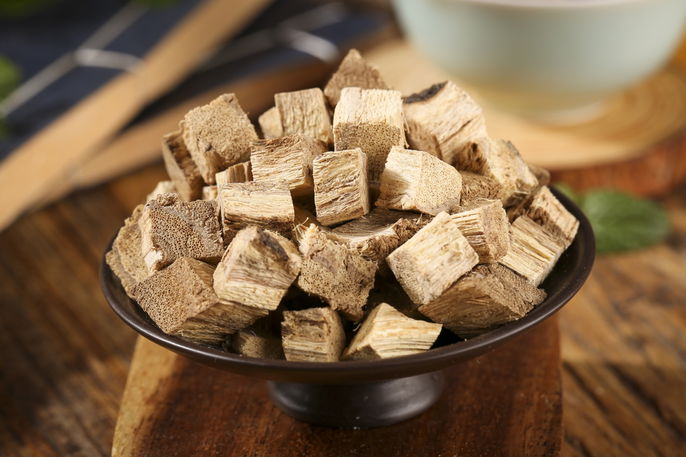
Health benefits
Some of the health benefits of kudzu include:
1. May help reduce alcohol intake
Some clinical studies show that standardized kudzu root extract can reduce alcohol consumption. This effect is linked to compounds such as daidzin and puerarin, which may influence alcohol metabolism and serotonin pathways involved in cravings. Benefits have been observed in both occasional binge-drinking situations and repeated-use scenarios.
2. Supports menopausal symptom management
Kudzu isoflavones may help reduce hot flashes and support overall well-being during menopause. Studies that combine kudzu flower with other plant extracts have shown improvements in hot flashes and bone turnover markers, suggesting mild estrogen-like activity.
These effects appear to be related to how kudzu isoflavones interact with estrogen receptors.
3. May help support bone health
Animal studies indicate that kudzu root and vine extracts may help prevent bone loss associated with estrogen decline. Isoflavones such as puerarin seem to promote bone formation and limit bone breakdown. These findings may be useful for understanding how kudzu could contribute to maintaining bone density.
4. May help improve metabolic health
Kudzu compounds have been studied for their potential benefits in blood glucose regulation and overall metabolic balance. Research shows that puerarin can support glucose metabolism, improve mitochondrial activity, and reduce inflammation linked to diabetes.
Kudzu resistant starch has also been examined for type 2 diabetes management in experimental models.
5. Provides antioxidant and anti-inflammatory effects
Kudzu root contains antioxidant compounds that may help protect cells from oxidative stress. Studies show that its isoflavonoids can reduce inflammation and support natural antioxidant defenses in the body. These properties may play a role in its potential effects on cardiovascular, metabolic, and neurological health.
6. May offer neuroprotective properties
Some research indicates that puerarin and daidzin may help protect nerve cells in stressful conditions. Experimental studies show reduced oxidative damage and improved cell survival in models of brain injury and neurotoxicity. These findings suggest possible benefits for brain health, although more clinical evidence is needed.
How to use it
Kudzu can be prepared and consumed in several different forms, each using a specific part of the plant.
1. Kudzu tea
Kudzu root starch can be dissolved in water to make a traditional preparation commonly used in Japan. The mixture is gently heated until it thickens and becomes translucent. Some variations add ginger or a small amount of sweetener.
2. Capsules or standardized extracts
Kudzu root extract is available in capsule or tablet form. Clinical studies typically use products containing known amounts of isoflavones such as puerarin and daidzin. Dosages vary among commercial products, so healthcare guidance and product instructions are recommended.
3. Powder for cooking or thickening
Kudzu root starch is often used in cooking as a thickener for soups, sauces, or desserts. When heated with water, it forms a clear, smooth gel. Although some traditional recipes use the leaves or flowers, most culinary applications rely on the root starch.
Possible side effects
Some studies report cases of liver injury associated with herbal products that include kudzu, although the specific contribution of kudzu is not always clear. People with liver conditions or those using medications that affect the liver may need to exercise caution.
Contraindications for use
Because kudzu contains phytoestrogens, it may not be suitable for people with hormone-sensitive conditions unless supervised by a healthcare professional. There is limited safety information for use during pregnancy or breastfeeding, so avoiding kudzu during these periods is generally advised.
Kudzu may also interact with medications that affect liver function or metabolic processes, so medical guidance is recommended before use.