


The java plum, also known as jambolan, Malabar plum, black plum, or Indian blackberry, is a fruit that offers many health benefits, such as helping control blood sugar, balance blood pressure, and boost immunity.
These benefits are possible because the java plum is rich in anthocyanins, flavonoids, and vitamin C, nutrients and bioactive compounds with antioxidant and anti-inflammatory properties.
Java plums can be eaten fresh or in powdered form, and are commonly used in smoothies, juices, yogurts, and jams, as well as tea made from its leaves.
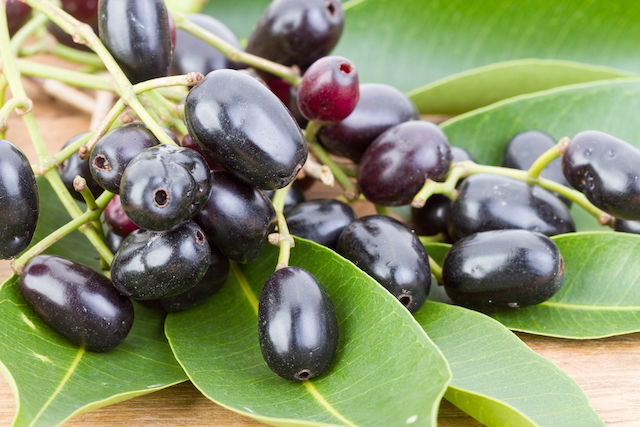
Health benefits
The main benefits of java plum include:
1. Helps control blood sugar
Java plum is rich in anthocyanins and flavonoids, antioxidant and anti-inflammatory bioactive compounds that help regulate blood sugar levels.
This happens because java plum can reduce sugar absorption and stimulate the production of insulin, the hormone responsible for balancing blood sugar levels.
Also recommended: How to Lower Blood Sugar: 10 Tips & Strategies tuasaude.com/en/how-to-lower-blood-sugar2. Strengthens immunity
Because it is high in vitamin C, flavonoids, and carotenoids, java plum helps strengthen the immune system, supporting the body in fighting infections caused by viruses and bacteria.
3. Prevents premature aging
The antioxidants found in java plum, such as anthocyanins, flavonoids, and vitamin C, can help reduce damage caused by free radicals, preventing premature aging.
Additionally, the vitamin C in java plum also supports collagen production, a protein that helps form and regenerate the skin, leaving it healthier and firmer.
4. Regulates the intestines
Java plum contains tannins, a bioactive compound with astringent properties, which helps balance gut bacteria, regulate bowel function, and assist in the treatment of mild diarrhea.
It is also high in fiber, which stimulates bowel movements, prevents constipation, and improves nutrient absorption.
5. Balances blood pressure
The antioxidant and anti-inflammatory compounds in java plum, such as flavonoids and anthocyanins, promote blood vessel relaxation and improve circulation, helping to balance blood pressure.
Java plum is also a source of potassium, a mineral that helps eliminate excess sodium through urine, further supporting healthy blood pressure.
6. Helps control cholesterol
The tannins, anthocyanins, and saponins found in java plum help prevent the oxidation of fat cells, which can reduce levels of “bad” LDL cholesterol in the blood.
The antioxidants in java plum also reduce inflammation in the blood vessels, lowering the risk of cardiovascular diseases.
Nutritional information table
The table below shows the nutritional information for 100 grams (about 10 java plums):
To gain the full health benefits of java plum, it should be part of a balanced diet combined with regular physical activity.
How to consume java plum
Java plums can be eaten fresh with the skin on, but they have an astringent taste that may cause a dry sensation in the mouth for some people. Therefore, they are often consumed in juices, smoothies, or jams.
There is no specific daily recommendation for java plum. However, the minimum daily recommended intake of fruit is 2 to 3 servings (160 to 240 g total).
The seeds of the java plum can also be found in powdered form and added to recipes like cakes, breads, yogurts, or fruits. Additionally, the leaves can be used to prepare teas.
Java plum is also available as concentrated extracts, capsules, and tinctures. Because these are more potent forms, their dosage and use should be guided by a doctor, nutritionist, or other professional specialized in herbal medicine.
Java plum leaf tea
Java plum leaf tea is a home remedy that may be used to help treat diarrhea, indigestion, and regulate blood sugar levels.
Ingredients:
-
10 java plum leaves
-
500 mL (about 2 cups) of water
Instructions:
Boil the water in a pot, turn off the heat, and add the java plum leaves. Cover and let steep for about 10 minutes. Strain and drink up to 2 cups of the tea per day.
Who should avoid java plum?
Java plum should not be consumed in excess during pregnancy or while breastfeeding.
Additionally, people who take medications to control diabetes and/or blood pressure should only consume this fruit under medical or professional supervision, as it may cause hypoglycemia (low blood sugar) or hypotension (low blood pressure).