


Iodine is an essential mineral for the body because it is involved in the production of the thyroid hormones T3 and T4, which are linked to metabolism, growth, and regulation of heart rate.
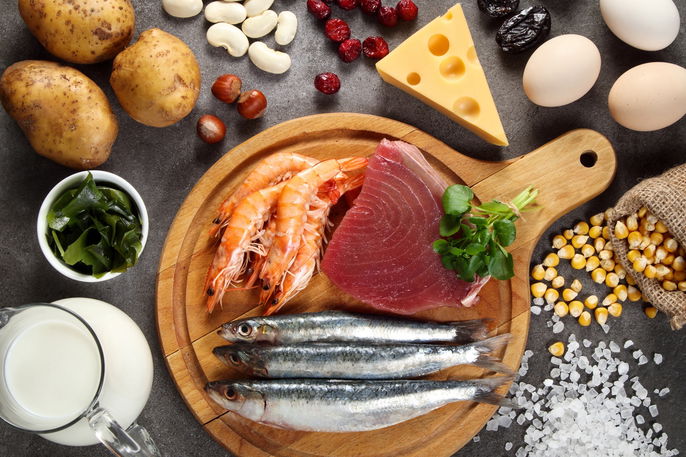
Iodine can be obtained naturally through foods such as mussels, iodized salt, cod, shrimp, and seaweeds like kelp and nori. It can also be consumed in supplement form.
It is important to consume an adequate daily amount of iodine to avoid deficiency or excess of this mineral and to help prevent conditions and complications such as hyperthyroidism, hypothyroidism, and goiter.
Main functions
Iodine is essential for several body functions, including:
-
Supporting the production of T3 and T4 hormones in the thyroid gland;
-
Ensuring proper growth in babies and children;
-
Supporting brain and nervous system development;
-
Regulating the metabolism of carbohydrates, proteins, and fats;
-
Helping prevent conditions such as hypothyroidism, congenital hypothyroidism, goiter, and thyroid cancer.
In addition, iodine plays a role in regulating heart rate and body temperature.
Recommended intake
The table below lists the minimum recommended daily iodine intake needed to prevent deficiency at various life stages:
Sources of iodine
Iodine can be obtained from foods or taken as a supplement.
1. Iodine-rich foods
Foods with the highest iodine content include fish and seafood, such as mussels, cod, mackerel, shrimp, hake, sardines, and seaweeds like kelp and nori. See iodine-rich foods.
Other foods that also contain iodine include iodized salt, boiled eggs, Parmesan cheese, beef liver, ricotta cheese, lettuce, and cooked cauliflower.
2. Iodine supplements
Iodine supplements may be recommended in cases of iodine deficiency or when iodine needs are higher, such as during pregnancy, for people following a vegan diet, for those who consume little or no dairy, seafood, or eggs, and for individuals living in regions with iodine-deficient soil.
In these cases, a doctor or registered dietitian may recommend iodine supplements, with dosage and duration varying according to age and individual needs.
Iodine deficiency
Iodine deficiency is a condition that can result from low intake of foods that contain this mineral.
People at greater risk of iodine deficiency include pregnant individuals, who require more iodine, and infants.
Possible complications
Iodine deficiency can lead to conditions such as hypothyroidism and goiter, as well as congenital hypothyroidism and intellectual disability in infants, children, and adults.
Main symptoms
Depending on the condition caused by iodine deficiency, symptoms may include:
-
Irregular periods;
-
Hair loss, thinning hair, dry or dull hair;
-
Excessive fatigue;
-
Drowsiness;
-
Heart palpitations;
-
Intellectual impairment;
-
Swollen eyelids.
Iodine deficiency may also cause headaches, muscle and joint pain, and, in children, short stature and an enlarged tongue.
Excess iodine
Excess iodine intake is rare but may occur with very high consumption of this mineral, especially when intake exceeds 600 mcg per day.
Long-term excessive iodine intake can interfere with thyroid function, increasing the risk of hyperthyroidism, goiter, elevated TSH levels, hypothyroidism, thyroiditis, and thyroid cancer.
Main symptoms
Although uncommon, acute excessive iodine intake can cause iodine toxicity, leading to symptoms such as a burning sensation in the mouth, throat, and stomach, fever, abdominal pain, nausea and vomiting, diarrhea, weak pulse, and coma