


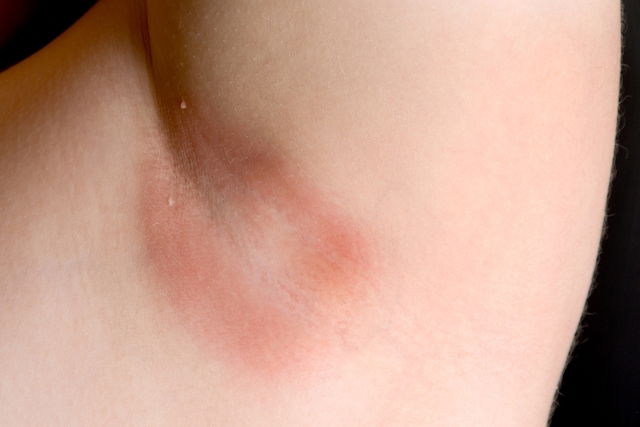
Inverse psoriasis is a type of psoriasis that causes red patches on the skin, especially in skin folds like the armpits, groin, and under the breasts. It’s more common in people with overweight or obesity.
The patches caused by inverse psoriasis, also known as intertriginous psoriasis, do not flake and can become more irritated by sweating or friction.
Although there is no cure for inverse psoriasis, it’s possible to relieve discomfort and reduce the frequency of flare-ups with treatments such as medicated creams, oral medications, or phototherapy, as recommended by a dermatologist.
Common symptoms
The main symptoms of inverse psoriasis include:
-
Smooth, red patches on the skin;
-
Patches that do not flake;
-
Cracks or fissures in the red patches, which can cause pain or bleeding.
These symptoms usually appear in skin folds, such as the groin, armpits, and under the breasts, and may become worse with sweating or friction.
In some cases, inverse psoriasis symptoms may be mistaken for another skin condition called candidal intertrigo.
It’s very important to consult a dermatologist to confirm the diagnosis in order to begin the most appropriate treatment.
Confirming a diagnosis
A dermatologist can diagnose inverse psoriasis by evaluating symptoms, reviewing the person’s medical history, and performing a physical examination of the affected skin.
The doctor may also order tests, such as an allergy test or a skin biopsy, to confirm the diagnosis and rule out other conditions with similar symptoms, like dermatitis or yeast infections.
Possible causes
The exact cause of inverse psoriasis is not fully understood, but it’s believed to result from an imbalance in the immune system, causing it to attack healthy skin cells. This is similar to what happens in other types of psoriasis.
Excess moisture from sweating and repeated friction can worsen inflammation in the affected areas.
Inverse psoriasis is more common in people with overweight or obesity, as constant moisture and friction in skin folds can aggravate the condition.
Treatment options
Treatment for inverse psoriasis focuses on relieving symptoms and preventing flare-ups. Treatment should be managed by a dermatologist and may include:
-
Topical corticosteroid creams, such as hydrocortisone or betamethasone, which help reduce inflammation, redness, and pain. These creams should only be used for the duration recommended by a doctor, as they can be easily absorbed and may cause side effects with prolonged use.
-
Topical antifungal creams, such as clotrimazole or fluconazole, which help treat fungal infections that are common in affected areas.
-
Calcipotriol cream, a vitamin D analog specifically used for psoriasis, which helps slow down the growth of skin cells and reduces irritation.
-
Phototherapy, which involves applying ultraviolet (UV) light to the affected skin two to three times a week to reduce inflammation and relieve symptoms.
These treatments can be used individually or in combination, depending on how the skin responds. A dermatologist may adjust the treatment plan over time based on the severity of symptoms.
Home remedies
Home care for inverse psoriasis involves keeping the skin clean and dry to help prevent flare-ups. Maintaining an anti-inflammatorydiet can also help reduce symptoms. It’s also recommended to eat more fiber, fruits, and vegetables.
Moisturizing the skin regularly with fragrance-free creams and avoiding tight clothing or friction in affected areas can also help manage symptoms.
Also recommended: 9 Home Remedies for Psoriasis (& Other Natural Treatments) tuasaude.com/en/home-remedies-for-psoriasis