


Intraductal papilloma is a small, usually non-cancerous growth that forms inside a breast milk duct. It most often develops near the nipple and is considered one of the common benign causes of nipple discharge.
The main symptom is discharge from one nipple, which may be clear, watery, or bloody. Some people may also notice a small lump near the nipple or mild breast tenderness, although many do not have pain.
Diagnosis usually involves a breast exam, imaging tests, and a biopsy to confirm the type of growth. Treatment may involve monitoring or surgery, depending on symptoms, biopsy results, and whether there are abnormal cells.
Main symptoms
Intraductal papilloma may not always cause symptoms, but nipple discharge is the most common sign.
-
Clear, watery, or bloody nipple discharge
-
Discharge from one breast only
-
Discharge that comes from a single milk duct
-
Discharge that happens on its own, without squeezing the nipple
-
A small lump near or behind the nipple
-
Mild breast pain, tenderness, or discomfort
These symptoms are often caused by benign breast changes, but they should be assessed by a doctor, especially when discharge is bloody, spontaneous, or only affects one breast.
Causes
Intraductal papilloma happens when cells grow inside a breast duct and form a small finger-like growth. It is not an infection, so it is not transmitted from one person to another.
The exact cause is not always clear. Some sources describe possible links with hormonal and reproductive factors, estrogen exposure, hormone replacement therapy, contraceptive use, family history, and changes such as atypical hyperplasia or ductal carcinoma in situ.
Intraductal papilloma can be solitary or multiple. A single papilloma is often found near the nipple, while multiple papillomas may occur farther from the nipple and may need closer follow-up because they can be more strongly linked with abnormal breast changes.
Diagnosis
Diagnosis starts with a clinical breast exam and a review of the nipple discharge. Doctors usually look at whether the discharge is spontaneous or only occurs when the nipple is squeezed, whether it affects one or both breasts, whether it comes from one duct or several ducts, and whether it is clear or bloody.
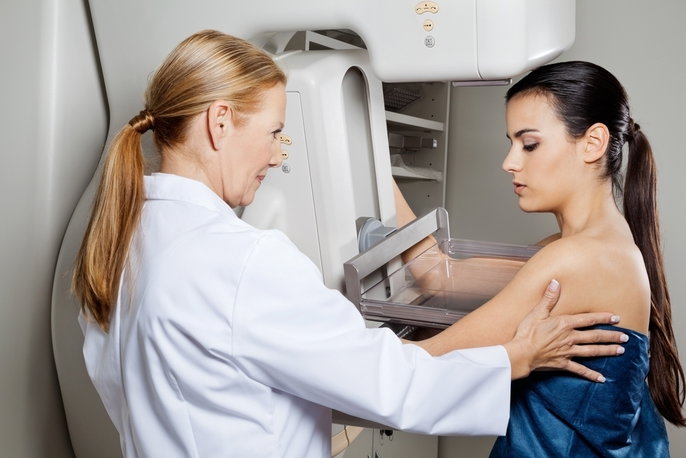
Imaging tests may include diagnostic mammography and breast ultrasound, especially around the nipple area. MRI or ductography may be considered when symptoms continue but the first imaging tests do not clearly show the cause.
A biopsy is usually needed to confirm intraductal papilloma and check whether there are abnormal or cancerous cells. This may be done with a core needle biopsy or vacuum-assisted biopsy, depending on the lesion and the imaging findings.
Treatment options
Treatment for intraductal papilloma depends on symptoms, imaging results, biopsy findings, and whether atypia, which means abnormal cells, is present.
1. Monitoring
Some intraductal papillomas without atypia may be monitored with imaging follow-up instead of being removed right away. This is more likely when the biopsy and imaging results are clearly benign and the person has few or no symptoms.
Monitoring should be guided by a breast specialist. Follow-up is important to make sure the lesion does not grow or develop concerning features.
2. Surgical removal
Surgery may be recommended when there is bloody or persistent nipple discharge, a lump, abnormal imaging results, atypia, or concern that the biopsy may not fully represent the lesion. The procedure may remove the papilloma or the affected milk duct.
Surgical removal can help relieve symptoms and confirm that there are no hidden cancerous or precancerous changes. Procedures may include excision of the lesion, microdochectomy, or central duct excision, depending on the location and number of affected ducts.
3. Vacuum-assisted removal
Vacuum-assisted biopsy can sometimes be used to remove or sample the lesion more completely. This approach may be considered in selected cases, especially when the lesion is visible on imaging and does not show atypia.
The decision depends on the size and location of the papilloma, symptoms, and the level of concern for abnormal cells.
Is intraductal papilloma cancer?
Intraductal papilloma is usually benign, which means it is not cancer. However, it can sometimes be found with atypia, ductal carcinoma in situ, or other abnormal breast changes.
The risk is usually lower when there is a single papilloma without atypia. Multiple papillomas or papillomas with atypia may require closer monitoring or removal because they may carry a higher risk of being linked with breast cancer or precancerous changes.
When to see a doctor
Medical assessment is recommended for nipple discharge that is bloody, clear and spontaneous, comes from only one breast, or comes from a single duct. A doctor should also evaluate any breast lump, nipple retraction, skin dimpling, breast swelling, or changes in the skin around the nipple.
Although intraductal papilloma is often benign, these signs can also occur with other breast conditions. Early evaluation helps confirm the cause and guide the most appropriate treatment.