


Idiopathic guttate hypomelanosis is a common skin condition that causes small white spots to appear on the skin. These spots occur when pigment-producing cells in the skin become less active or decrease in number, leading to areas of lighter skin.
This condition most often affects adults and tends to appear on sun-exposed areas such as the arms and legs. The spots are usually harmless and develop gradually over time.
Idiopathic guttate hypomelanosis does not cause pain or other physical symptoms, but some people seek treatment for cosmetic reasons. A dermatologist can diagnose the condition and discuss options that may help improve the appearance of the skin.
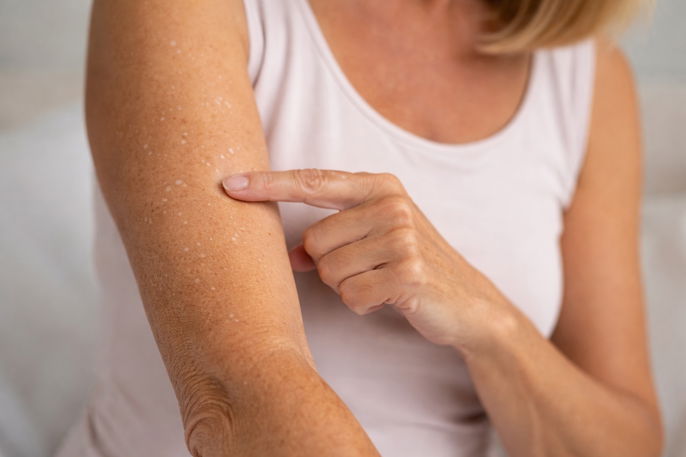
Main symptoms
Idiopathic guttate hypomelanosis mainly affects the appearance of the skin. The most common symptoms include:
-
Small round or oval white spots on the skin
-
Spots that are usually 2 to 5 mm in size
-
Smooth skin surface without scaling or irritation
-
Spots most commonly found on the forearms, shins, and other sun-exposed areas
-
Gradual increase in the number of spots over time
These spots usually appear slowly and remain stable, without causing itching, pain, or inflammation.
Possible causes
The exact cause of idiopathic guttate hypomelanosis is not fully understood. However, several factors are believed to contribute to the development of the condition.
1. Aging and skin changes
Idiopathic guttate hypomelanosis is more common in people over the age of 40. Age-related changes in skin cells, including reduced melanocyte activity, are believed to play an important role.
2. Sun exposure
Long-term exposure to ultraviolet radiation from the sun may damage pigment-producing cells in the skin. This damage can lead to the formation of the characteristic white spots.
3. Genetic factors
Some studies suggest that genetic factors may increase the likelihood of developing this condition. Familial patterns have been reported in some cases.
4. Skin and cellular changes
Research suggests that changes in melanocytes, keratinocytes, and dermal tissue may contribute to the condition. These alterations can interfere with normal skin pigmentation.
Confirming a diagnosis
Idiopathic guttate hypomelanosis is usually diagnosed through a clinical skin examination performed by a dermatologist. The diagnosis is often based on the appearance, location, and pattern of the white spots.
In some cases, a dermatoscope may be used to examine the skin more closely. A skin biopsy may be performed if the diagnosis is uncertain or if other conditions such as vitiligo or fungal infections need to be ruled out.
Treatment options
Idiopathic guttate hypomelanosis is a benign condition, and treatment is not medically necessary. However, some people choose treatment to improve the appearance of the spots.
1. Topical medications
Some topical treatments may help stimulate pigmentation in the affected areas. These may include:
-
Topical retinoids
-
Calcineurin inhibitors
-
Mild corticosteroid creams
Results may vary and improvement can be gradual.
2. Cryotherapy
Cryotherapy uses controlled cold temperatures, usually liquid nitrogen, to stimulate repigmentation in the skin. This treatment is sometimes used for small lesions and must be performed by a trained professional.
3. Chemical peels and needling
Certain procedures that create controlled skin injury may help stimulate melanocyte activity and repigmentation. These include chemical peels or microneedling techniques.
4. Laser and light therapies
Laser treatments and targeted light therapies, such as excimer light or ablative lasers, may be used to stimulate pigment production in affected areas. These treatments are typically used in dermatology clinics.
Prevention measures
There is no guaranteed way to prevent idiopathic guttate hypomelanosis. However, protecting the skin from excessive sun exposure may help reduce the risk of developing new spots.
Preventive measures may include:
-
Using broad-spectrum sunscreen regularly
-
Wearing protective clothing in strong sunlight
-
Avoiding excessive ultraviolet exposure
These strategies may also help slow the appearance of additional spots over time