


- Hyperlordosis is an exaggerated inward spinal curve in the neck or lower back that can change posture and trigger neck or low back pain.
- Treatment often focuses on physical therapy and targeted strengthening, with options like Pilates, hydrotherapy, braces in select cases, and medication for more intense pain.
- Seek medical attention if symptoms interfere with speaking or swallowing, or if there are signs of bladder or bowel control problems.
Hyperlordosis is an exaggerated inward curve of the spine that bends toward the body. It can affect the neck (cervical spine) or the lower back (lumbar spine).
This extra curve can lead to pain and discomfort in the neck or the lower back. It may also make your posture look noticeably different.
Hyperlordosis (also called lordosis) is often linked to poor posture, physical inactivity, and obesity. Some health conditions can also contribute, including muscular dystrophy, osteoporosis, spinal injury, and a herniated disc.
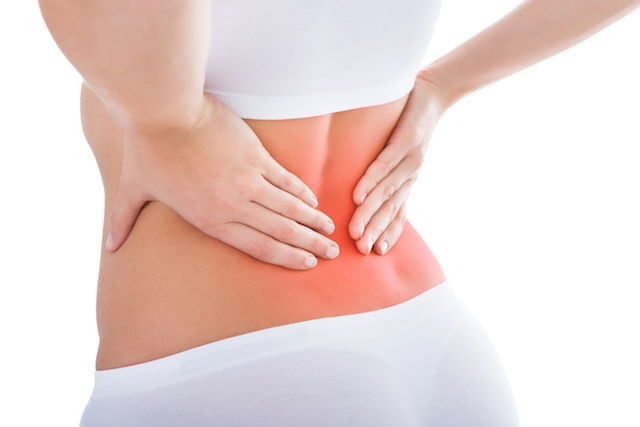
Main symptoms
The main symptoms of hyperlordosis are:
-
Changes in the curvature of the spine, especially noticeable when a person is viewed from the side;
-
Changes in posture;
-
Discomfort or pain in the lower back;
-
Difficulty fully pressing the back against the floor when lying on the back;
-
Weakened abdominal muscles, with the belly appearing more protruded and pushed forward;
-
Reduced spinal mobility;
-
Neck positioned forward.
Women with lumbar hyperlordosis may also be more prone to cellulite on the buttocks and the back of the legs, since this change may affect blood circulation and the flow of body fluids.
In rare cases, cervical hyperlordosis can affect how the neck and throat function, including speaking or swallowing. In severe cases of lumbar hyperlordosis, bladder or bowel control may be affected.
Confirming a diagnosis
Hyperlordosis is diagnosed by an orthopedic surgeon through a physical exam. During this evaluation, the provider looks at posture and spinal alignment from the front, side, and back.
Additional orthopedic tests, such as the hyperextension test, may be performed to assess pain and range of motion in the lumbar spine. X-rays may also be ordered to evaluate the severity of hyperlordosis and help determine the most appropriate treatment plan.
Possible causes
Hyperlordosis may be caused by poor posture, physical inactivity, and obesity, for example. It is more common in growing children, during pregnancy, and in older adults due to age-related spinal changes.
It may also be related to conditions that cause progressive muscle weakness, such as muscular dystrophy.
Other health conditions may contribute to hyperlordosis, including hip dislocation, lower back injury, herniated disc, osteoporosis, and spondylolisthesis.
Different types
Depending on where it develops, hyperlordosis can be classified as:
-
Cervical hyperlordosis, which is a change in the curve of the neck, often most noticeable because the head and neck shift forward;
-
Lumbar hyperlordosis, which is the most common type and involves an increased curve in the lower back, making the hips look tilted backward and the abdomen pushed forward.
The cervical and lumbar spine normally have a gentle curve that helps with balance and absorbs impact. With hyperlordosis, that curve becomes more pronounced than normal.
Treatment options
Treatment for hyperlordosis should be guided by an orthopedic surgeon and may include:
-
Physical therapy, with exercises to strengthen the muscles of the back, abdomen, hips, and legs, including spinal mobility work and global postural reeducation (GPR) exercises;
-
Physical exercise, such as Pilates with or without equipment, or water-based exercise in the case of hydrotherapy, to improve overall posture, stretch tight muscles, and help correct spinal curvature;
-
Medication, such as ibuprofen or other nonsteroidal anti-inflammatory drugs (NSAIDs), when pain is intense;
-
An orthopedic brace, recommended only in more rigid cases, cases that are getting worse, or in children when there is a risk the curve may progress during growth.
In rare cases, surgery may be recommended when the spinal curve is severe or continues to worsen despite conservative treatment, according to the American Academy of Orthopaedic Surgeons (AAOS). The procedure aims to improve alignment and help prevent future complications.
Can hyperlordosis be fixed?
In the most common situations, when hyperlordosis is related to poor posture, low muscle strength, or physical inactivity, it can be reversed. Physical therapy, strengthening and stretching exercises, and postural reeducation techniques can help restore a healthier spinal curve.
However, when hyperlordosis is linked to more serious problems, such as muscular dystrophy or structural changes in the spine, it does not have a definitive cure. In these cases, treatment focuses on managing symptoms and improving quality of life.
Main exercises
Some exercises for hyperlordosis include:
1. Plank
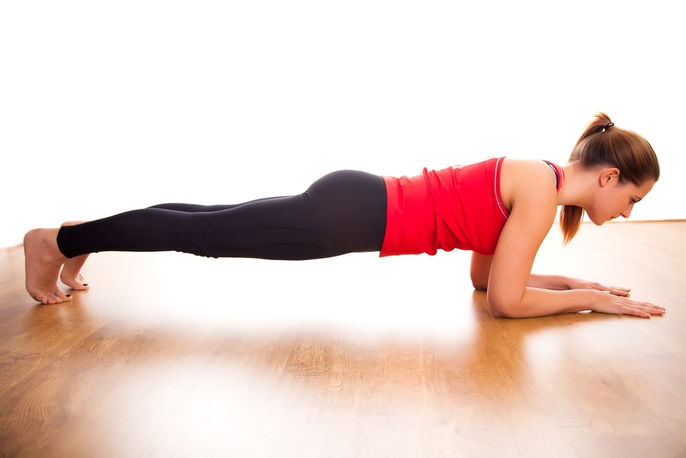
The plank strengthens the abdominal, lower back, and pelvic muscles. This can help improve posture, support the spine, and reduce the risk of back pain.
How to do it: lie face down on a flat surface, then support your body on your toes and forearms. Keep your body lifted in a straight line without letting your hips drop or rise. Hold for 30 seconds to 1 minute, for 3 sets.
2. Cat-cow pose
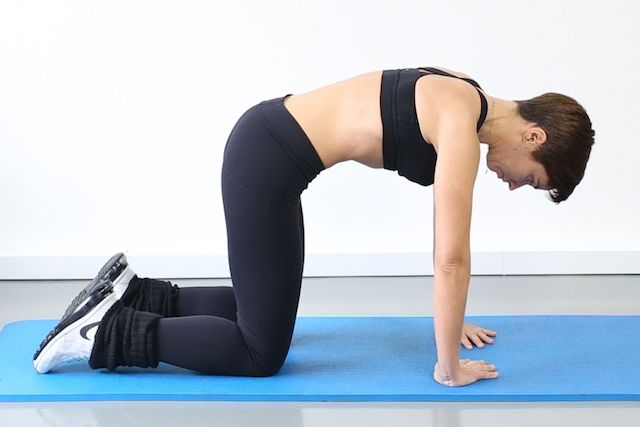
The cat-cow pose gently moves the spine through flexion and extension. It can improve flexibility and postural awareness and help relieve tension in the back and neck.
How to do it: start on your hands and knees, with your hands under your shoulders and your knees under your hips. As you inhale, let your belly drop and arch your back, opening your chest and lifting your head.
As you exhale, round your spine toward the ceiling and bring your chin toward your chest. Repeat slowly and smoothly with your breathing. Do 10 breaths.
3. Glute bridge
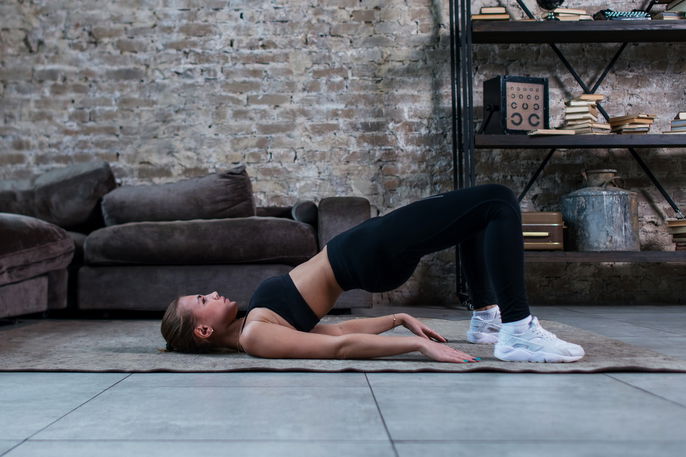
The pelvic lift, also called a glute bridge, strengthens the glutes, abdominal muscles, and lower back. It can also improve hip and spinal stability, which supports better posture and may help prevent lower back pain.
How to do it: lie on your back with your knees bent and your feet flat on the floor, hip-width apart.
Lift your hips toward the ceiling while squeezing your glutes, until your shoulders, hips, and knees form a straight line. Return to the starting position. Do 3 sets of 10 repetitions.