


Hyperinsulinemia, or high insulin levels, is a condition caused by insulin resistance, where the body does not respond properly to the effects of insulin. As a result, the pancreas produces more insulin in an attempt to keep blood glucose levels balanced.
This condition usually does not typically cause symptoms. However, when blood sugar levels drop too low, it may lead to excessive hunger, cravings for sweets, and fatigue.
If hyperinsulinemia is suspected, it is important to see an endocrinologist or primary care doctor to confirm the diagnosis and start the appropriate treatment, which may include antidiabetic medication, a balanced diet, and regular exercise.
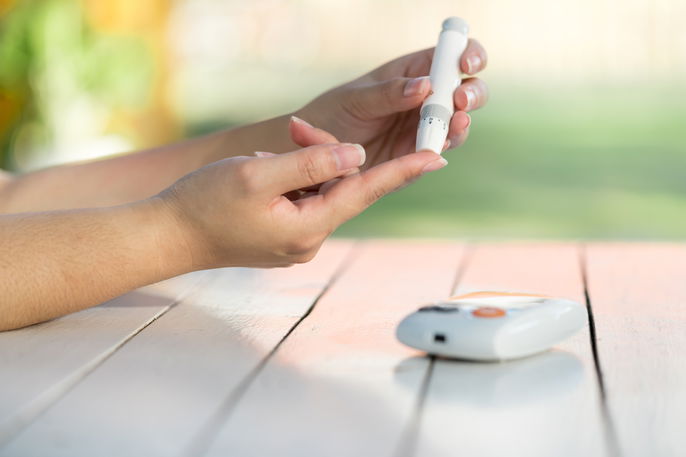
Symptoms of hyperinsulinemia
Hyperinsulinemia often does not cause noticeable symptoms, but when blood glucose levels are low, certain signs may appear.
The main symptoms of high basal insulin levels include:
-
Excessive hunger
-
Constant cravings for sweets
-
Weight gain
-
Difficulty concentrating
-
Lack of focus or motivation
-
Anxiety, irritability, or panic
-
Fatigue
In children, signs of high insulin may include difficulty breastfeeding or eating, excessive irritability, listlessness, or lack of energy.
How to confirm the diagnosis
To confirm a diagnosis of hyperinsulinemia, it is important to schedule a consultation with a primary care doctor or endocrinologist. The doctor will evaluate symptoms, review family and personal medical history, and may order specific tests.
One of the main tests used is the fasting blood glucose test, which measures the amount of glucose in the blood after a period of fasting.
Possible causes
Hyperinsulinemia is primarily caused by insulin resistance, which can result from several factors such as being overweight, having a sedentary lifestyle, polycystic ovary syndrome (PCOS), or eating a diet high in carbohydrates.
In rare cases, high insulin levels can also occur due to conditions such as insulinoma, a tumor in the pancreas, or an abnormal increase in pancreatic cell growth known as nesidioblastosis.
Treatment options
Treatment for hyperinsulinemia depends on the underlying cause and may involve medications, diet changes, surgery, and physical activity.
1. Medications
Doctors may prescribe antidiabetic drugs such as metformin or weight-loss medications like liraglutide and semaglutide, especially when diet and exercise alone are not effective in controlling blood sugar levels.
2. Diet
A registered dietitian may recommend a balanced and varied diet that includes whole grains, fruits, vegetables, legumes, and lean proteins.
It is also important to limit the intake of:
-
Sugary foods and drinks
-
Red meat
-
High-glycemic index carbohydrates such as white rice, tapioca, soda, and rice cakes
3. Surgery
In cases caused by insulinoma or nesidioblastosis, surgery may be needed to remove the tumor from the pancreas or, in severe cases, to remove the pancreas completely.
4. Physical activity
When hyperinsulinemia is due to insulin resistance, regular physical activity is strongly recommended. Exercises such as walking, strength training, or swimming should be performed at least five times a week.
Exercise helps improve insulin sensitivity in the muscles, increases calorie expenditure, and supports healthy weight maintenance or weight loss.
Possible complications of hyperinsulinemia
If left untreated, hyperinsulinemia can lead to complications like:
-
High triglycerides
-
Atherosclerosis
-
Weight gain
-
High blood pressure
-
Fat accumulation in the liver
-
High uric acid levels
In addition, hyperinsulinemia is associated with an increased risk of developing type 2 diabetes.