


Hydroxyapatite toothpaste is a type of fluoride-free dental product that contains hydroxyapatite, a mineral naturally found in tooth enamel and bones. It is designed to help protect teeth, repair early damage, and support overall oral health.
This type of toothpaste is often used to help prevent cavities, reduce tooth sensitivity, and strengthen enamel. Research also shows it may work in a similar way to fluoride by helping remineralize teeth and protect against decay.
Hydroxyapatite toothpaste is considered a safe option for many people, including children and those who prefer fluoride-free products. It may also be useful for individuals with sensitive teeth or those at higher risk of enamel wear.
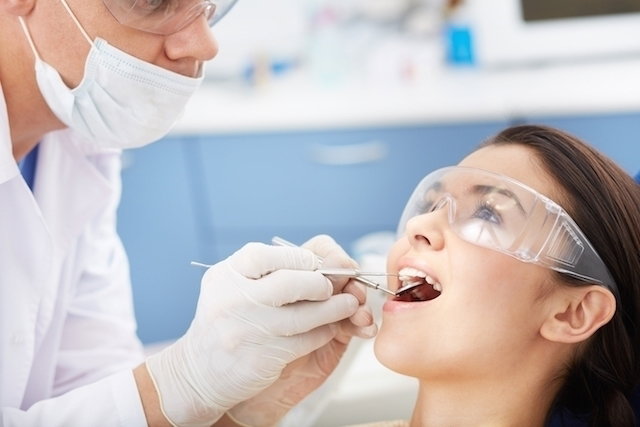
How it works
Hydroxyapatite toothpaste works by supplying minerals that are similar to the natural structure of tooth enamel. These particles can attach to the surface of the teeth and help rebuild areas that have been weakened or damaged .
This process is known as remineralization, where lost minerals such as calcium and phosphate are replaced. Over time, this can help strengthen enamel and make teeth more resistant to acid attacks from food and bacteria .
Hydroxyapatite can also form a protective layer on the teeth. This layer helps reduce sensitivity and limits the ability of harmful bacteria to stick to the tooth surface.
Key benefits
Hydroxyapatite toothpaste can be beneficial as it:
1. Helps prevent cavities
Hydroxyapatite toothpaste helps prevent cavities by repairing early enamel damage before it worsens. It works by restoring lost minerals in the teeth, which strengthens the enamel and makes it more resistant to decay.
2. Reduces tooth sensitivity
Hydroxyapatite is commonly used to reduce dentin hypersensitivity. It seals tiny openings in the teeth, which helps decrease pain triggered by hot, cold, or sweet foods.
3. Strengthens enamel
Another important benefit is improved enamel strength. Regular use can help protect teeth from acid erosion, supporting long-term dental health and durability.
Hydroxyapatite toothpaste is becoming more popular as an alternative to traditional fluoride products. While research supports its effectiveness, it is still important to maintain regular dental checkups and good oral hygiene habits.
Using this type of toothpaste as part of a complete oral care routine can help support long-term dental health.
Hydroxyapatite vs. fluoride: what’s the difference?
Both hydroxyapatite and fluoride are used to prevent tooth decay, but they work in slightly different ways. Fluoride helps by making enamel more resistant to acid and by supporting remineralization.
Hydroxyapatite, on the other hand, directly replaces lost minerals in the enamel. It mimics the natural structure of teeth, which allows it to repair and rebuild weakened areas more directly .
Clinical studies suggest that hydroxyapatite toothpaste may be comparable to fluoride toothpaste in preventing cavities in certain situations. Because of this, it is often considered an alternative for people who prefer not to use fluoride .
Who should use hydroxyapatite toothpaste
Hydroxyapatite toothpaste can be used by a wide range of people. It is often recommended for individuals with sensitive teeth, as it helps block exposed dentin and reduce discomfort.
It may also be suitable for children, as well as for people who want a fluoride-free option. Some studies also suggest it may be beneficial for individuals at higher risk of cavities, such as those with orthodontic appliances or enamel wear .
Dentists may also consider it for patients with early signs of tooth decay, as it supports enamel repair.
How to choose the best brand
Choosing a hydroxyapatite toothpaste involves looking at the type, concentration, and supporting evidence behind the product.
1. Check the type of hydroxyapatite
Hydroxyapatite toothpastes may contain nano-hydroxyapatite or microcrystalline hydroxyapatite. Nano-hydroxyapatite has smaller particles, which may allow better penetration into tiny enamel defects and improve remineralization, while microcrystalline forms tend to act more on the surface of the teeth .
2. Look at the concentration
The amount of hydroxyapatite in the formula can influence its effectiveness. Regulatory reviews indicate that concentrations up to about 10% in toothpaste are considered safe and are commonly used in effective formulations .
Higher concentrations may provide stronger remineralization and protective effects, especially for people with enamel erosion or a higher risk of cavities.
3. Review supporting ingredients
Some hydroxyapatite toothpastes include additional ingredients that support oral health. These may include calcium and phosphate sources that enhance remineralization, or mild cleaning agents that help remove plaque without damaging enamel.
Formulas designed for sensitivity may also include ingredients that work alongside hydroxyapatite to improve comfort and protect exposed dentin.
4. Choose products with clinical evidence
It is important to select products that have been evaluated in clinical trials or supported by systematic reviews. Studies have shown that certain hydroxyapatite toothpastes can be comparable to fluoride in preventing cavities and reducing sensitivity, which supports their use as an effective option .
Products backed by research provide greater confidence in both safety and effectiveness.
Side effects
Hydroxyapatite toothpaste is generally considered safe and well tolerated. Current evidence suggests that it does not cause major side effects when used as directed .
Because it is similar to natural tooth minerals, it is less likely to cause irritation or toxicity. Regulatory reviews have also found it to be safe for use in oral care products within recommended limits .
However, as with any dental product, improper use or excessive ingestion should be avoided, especially in young children