


A stye can often be treated with warm compresses on the eyelid and proper eyelid hygiene to help reduce inflammation and ease discomfort.
If the stye does not improve with these measures, an eye doctor may recommend antibiotic ointments, oral medications, or, in some cases, a minor surgical procedure to drain the pus.
Treatment should always be guided by an ophthalmologist based on the severity of the condition. It is also important to avoid wearing makeup, not rub the affected eye, and avoid using contact lenses.
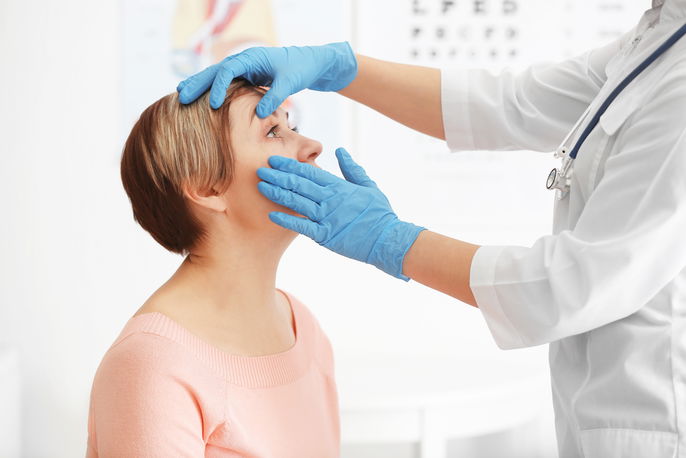
5 ways to treat a stye
Styes can be treated with a variety of approaches:
1. Warm compresses
Warm compresses are the first step in treating a stye, as most cases resolve on their own.
They help reduce eyelid swelling, ease pain and discomfort, and may also promote natural drainage of pus.
To use, soak a clean cloth or sterile gauze in warm water, close the affected eye, and place the compress over the eyelid.
Apply the compress for 10 to 15 minutes, 3 to 4 times daily.
Always use a new clean cloth or sterile gauze for each application, and make sure the water is warm, not hot, to prevent burns.
2. Eyelid hygiene
Good eyelid hygiene is essential when learning how to treat a stye, as it helps remove crusts, dirt, and bacteria from the eyelid.
After applying a warm compress, wash your hands and moisten a cotton pad or swab with a solution of warm water mixed with a few drops of baby shampoo.
Gently clean along the eyelid, avoiding direct contact with the eye. Rinse with warm water and dry with a clean towel.
This eyelid hygiene routine should be done daily or as recommended by your ophthalmologist, always taking care not to irritate the skin.
3. Prescription ointments
Ointments may be prescribed for moderate styes, particularly when a secondary bacterial infection develops.
In these cases, doctors often recommend antibiotic eye ointments, such as erythromycin, which should be applied to the eyelid margin 2 to 4 times per day as directed.
These ointments help fight bacteria that may prevent the stye from healing naturally.
Eyelid cleaning should always be done before applying the ointment.
4. Oral medications
Oral medication may be needed for more severe cases, especially if bacterial cellulitis develops in the eyelid or the tissue around the eye.
The main medications that may be prescribed include:
-
Oral antibiotics such as amoxicillin-clavulanate or doxycycline to fight infection
-
Oral pain relievers such as acetaminophen or ibuprofen to reduce pain and discomfort
These medications should only be used under the supervision of an ophthalmologist.
5. Surgery
Surgery for a stye may be recommended when symptoms do not improve after 1 to 2 weeks of treatment or if an abscess forms on the eyelid.
This minor procedure involves draining the pus with a needle to help resolve the infection and relieve discomfort.
It is usually performed under local anesthesia, depending on the person’s pain tolerance.
Home remedies
A common home remedy for styes is applying warm chamomile compresses, as chamomile has anti-inflammatory properties that can help reduce swelling in the eyelid.
To prepare, steep a chamomile tea bag in 200 mL of boiling water for about 10 minutes.
Once the tea has cooled to a warm temperature, soak a clean compress in the liquid and apply it to the stye for about 5 minutes. This can be repeated up to 3 times per day.
Care during treatment
Some important precautions can support recovery from a stye:
-
Do not try to squeeze or pop the stye
-
Avoid touching or rubbing the area
-
Wash hands before and after eyelid hygiene, compresses, or ointment application
-
Do not reuse compresses
-
Keep the eyelids clean and free of discharge
-
Avoid wearing contact lenses
It is also important not to use makeup on the affected eye during treatment, as it may worsen the infection and increase discomfort.
Signs of improvement and worsening
Signs that the stye is getting better include reduced swelling and redness of the eyelid, less pain, and easier eye opening.
Signs of worsening include increased pain, swelling, difficulty opening the eye, pus drainage, persistence beyond 8 days, or spread of the infection to other parts of the eye.