


For the majority of burns, the most crucial step is to treat a burn is to rapidly cool the skin to prevent deeper layers from continuing to burn. Medical ointments may also be used under professional guidance to relieve pain and support the healing process.
However, care protocols vary significantly depending on the severity of the burn. Third-degree burns require immediate hospital evaluation to prevent serious complications like permanent nerve or muscle damage.
In all burn cases, you should strictly avoid home remedies like coffee grounds or toothpaste. Applying these substances can cause further irritation, increase infection risks, and complicate the healing process.
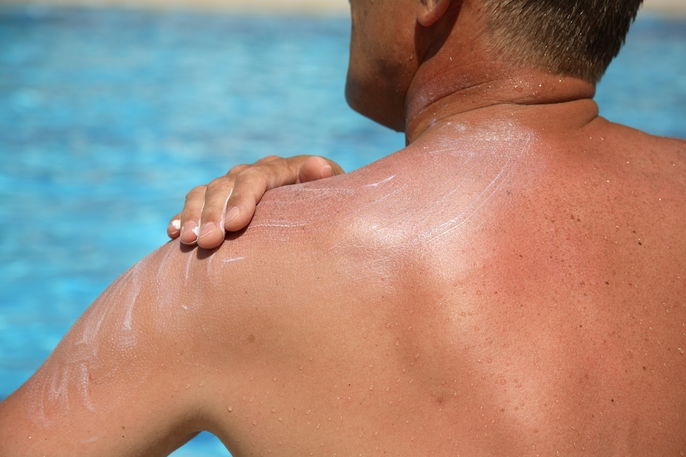
What to do for a 1st-degree burn
A first-degree burn impacts only the outer layer of the skin, causing symptoms like pain and redness. In these situations, experts recommend the following:
-
Run the burned area under cold water for at least 15 minutes.
-
Keep a clean cloth dampened with cold water on the area for the first 24 hours, resoaking it whenever the water warms up.
-
Apply a moisturizing or antibiotic ointment, such as Neosporin or Bacitracin.
According to the American Academy of Dermatology, you should avoid applying products like oil or butter to the burn, as these can trap heat or cause an infection.
This type of burn commonly occurs after prolonged sun exposure or brief contact with a hot object. The pain typically resolves after 2 or 3 days, though the skin may take up to 2 weeks to fully heal, even with treatment. Generally, a first-degree burn does not leave a scar and rarely leads to complications.
Also recommended: What to Put on a Burn: 8 Creams + Ointments (& How to Treat) tuasaude.com/en/what-to-put-on-a-burnWhat to do for a 2nd-degree burn
A second-degree burn damages the deeper layers of the skin, leading to redness, pain, and additional symptoms like blisters or swelling.
For this type of burn, you should:
-
Place the affected area under running cold water for at least 15 minutes.
-
Gently wash the burn with cold water and a pH-neutral soap, being careful not to scrub.
-
Cover the area with wet gauze or a generous amount of petroleum jelly and secure it with a bandage for the first 48 hours, changing the dressing as needed.
-
Do not pop any blisters or apply unapproved products to the area to minimize infection risk.
-
Seek medical attention if the blister is very large.
These burns frequently occur when the skin is in contact with heat for a longer duration, such as spilling hot water on clothing or holding a hot object.
In most instances, pain subsides after 3 days, but the burn may take up to 3 weeks to fade. While second-degree burns rarely leave raised scars, the skin at the injury site may remain lighter in color.
What to do for a 3rd-degree burn
A third-degree burn is a severe, life-threatening emergency because it destroys the deepest layers of skin, including nerves, blood vessels, and muscle tissue. If this occurs, take the following steps immediately:
-
Call 911 immediately or take the person to the nearest hospital emergency room.
-
Cool the burn with saline solution or tap water for about 10 minutes.
-
Carefully place sterile gauze dampened with saline or a clean cloth over the injury until help arrives; for large areas, use a clean, lint-free sheet dampened with saline.
-
Do not apply any ointments, creams, or products to the affected area.
In extreme cases, third-degree burns can lead to multiple organ failure. If the victim loses consciousness and stops breathing, you must begin CPR immediately.
Because all skin layers are compromised, serious damage can occur to nerves, glands, muscles, and internal organs. You may not feel pain with this type of burn due to nerve destruction, but immediate medical intervention is vital to prevent severe complications and systemic infection.
When to go to the hospital
While many burns can be managed at home, you should go to the hospital if the burn is larger than the palm of your hand, if multiple blisters form, or if it is a third-degree burn affecting deep tissues.
Additionally, seek emergency care if the burn is located on sensitive areas such as the hands, feet, face, or genitals.
Common questions
Here are the answers to the most common questions regarding burn treatment:
1. Does applying toothpaste or coffee grounds help?
Toothpaste, coffee grounds, butter, egg whites, onions, or vinegar do not help heal burns and can actually delay recovery and increase the risk of bacterial infection. The most effective treatment is to run the area under cold water until the skin cools down.
After cooling, you may apply ointments specifically designed for burns that have soothing, healing, and antibacterial properties.
2. Should I pop a blister?
Blisters serve as a biological bandage protecting the wound from infection, so they should not be popped. If a blister bursts accidentally, wash the area thoroughly with mild soap and water.
If clothing or skin is stuck to the area after a blister bursts, do not touch it. Dead skin or debris should only be removed by a healthcare professional at the hospital to prevent further tissue damage.
3. Can I remove fabric stuck to a burn?
If clothing or any object is stuck to the burn, do not try to remove it yourself. pulling it off can cause deeper injury, increase infection risk, and slow down healing.
Go to the nearest hospital or urgent care center so the fabric or object can be removed safely by professionals.
4. Does putting ice on a burn relieve symptoms?
Although ice is cold, it should not be applied directly to a burn. Extreme cold can damage the compromised tissue further and cause cold burns or frostbite on top of the heat injury.
You should also avoid using cotton balls on the burn, as the fibers can stick to the wound and complicate healing.
5. What relieves burn pain?
The most immediate pain relief comes from running cold water over the burn. However, certain over-the-counter ointments can help soothe symptoms and support healing.
6. Does aloe vera gel help with healing?
Aloe vera is a plant with known anesthetic, anti-inflammatory, and moisturizing properties. It can be used to aid the healing process, provided there is no open wound or broken skin at the site.
7. Do cold milk compresses help?
A cold milk compress is a traditional home remedy often used for sunburns. It may help reduce stinging, swelling, and dryness of the skin.