


Face fat is the fat tissue found in different areas of the face, such as the cheeks, jawline, chin and neck. It can affect facial shape, but it is also important to remember that face fullness can come from fat, fluid retention, bone structure, aging, hormones or certain health conditions.
Learning how to lose face fat usually involves focusing on overall weight loss, because fat cannot be reduced from only one body area. Healthy eating, regular physical activity, good sleep and hydration can help reduce total body fat, which may also make the face look slimmer over time.
Facial exercises may help tone some facial muscles, but they are not a proven way to burn fat from the face. Medical or cosmetic treatments may be considered for fat under the chin or other specific areas, but these should be discussed with a qualified doctor, dermatologist or plastic surgeon.
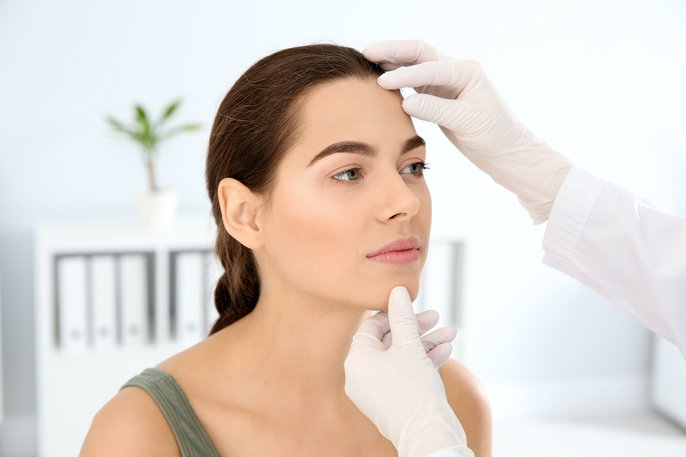
Why fat accumulates in the face
Fat in the face is stored in different facial fat compartments, which help give the face its shape, volume and support. Some people naturally have more fullness in the cheeks, chin or jawline because of genetics and how their body stores fat.
Weight gain can make the face look fuller, especially when total body fat increases. Large weight changes can also affect facial appearance, as weight loss may reduce facial volume and sometimes make loose skin more noticeable.
Facial fullness is not always caused by fat. Aging, hormones, certain medications, medical conditions and fluid retention can also change how the face looks, and a high-sodium diet, poor sleep or alcohol intake may make the face look puffy.
Can you target face fat?
There is no strong evidence that fat can be burned from only the face through exercises, creams or special foods. This is often called spot reduction, and it is not considered a reliable way to lose fat from one specific body part.
The most realistic way to reduce face fat naturally is to reduce overall body fat. This may be done through regular physical activity, a balanced eating plan and long-term lifestyle habits that support weight control.
Facial exercises may improve muscle tone or facial appearance in some people, but they should not be seen as the main method for fat loss. The available research on facial exercises is still limited, and results can vary.
How to lose face fat naturally
Natural strategies for losing face fat focus on lowering total body fat and reducing puffiness. These habits may help the face look slimmer over time, especially when they are done consistently.
1. Increase physical activity
Aerobic exercise, also called cardio, can help with overall fat loss. Examples include brisk walking, running, cycling, swimming or dancing.
Exercise works best when it is part of a long-term plan. Regular movement helps support weight loss and weight maintenance, which may gradually reduce fat in the face as total body fat decreases.
2. Follow a balanced eating plan
A balanced diet can support gradual weight loss. Diets that limit excess calories and focus on nutritious foods may help reduce body fat, although no specific diet can target the face only.
Processed foods, sugary drinks and refined carbohydrates can contribute to long-term weight gain. Eating more whole foods, such as vegetables, fruits, lean proteins, whole grains and healthy fats, may help with weight control.
3. Reduce excess sodium
Too much sodium can increase fluid retention, which may make the face look puffy or swollen. Limiting very salty foods may help reduce bloating and water retention.
Common high-sodium foods include fast food, packaged snacks, processed meats, canned soups and many frozen meals. Choosing fresh or minimally processed foods more often can help lower sodium intake.
4. Drink enough water
Good hydration may help support weight control and reduce fluid retention. Some studies suggest that drinking water before meals may help with weight loss when combined with a reduced-calorie diet.
Water is also a better choice than sugary drinks, which can add extra calories and contribute to weight gain over time.
5. Sleep well
Short sleep duration has been linked to a higher risk of obesity in adults. Poor sleep can affect appetite, hunger hormones and weight control, which may indirectly affect facial fat.
A regular sleep routine may help support a healthy weight. Many adults do best with around 7 to 8 hours of sleep per night.
6. Manage stress
Stress may contribute to weight gain in some people through changes in eating habits, appetite and lifestyle patterns. Stress management can therefore be part of a healthy weight plan.
Helpful habits may include regular movement, relaxation techniques, enough sleep and structured meals. These habits can support overall health while also helping with weight control.
Exercises for facial toning
Facial exercises, sometimes called face yoga, are movements that use the muscles of the cheeks, jaw, mouth and neck. They are often promoted for toning the face or improving facial appearance.
Research suggests that facial exercises may have modest benefits for facial muscle tone or perceived facial aging in some people. However, the evidence is limited, and facial exercises have not been proven to burn facial fat.
A small study found that a 20-week facial exercise program was linked to improvements in mid-face fullness and perceived age in middle-aged women. Other studies have found minimal benefit, and recent reviews suggest that more high-quality research is needed.
Facial exercises should be done gently. Strong or repeated pulling on the skin may irritate the face or worsen discomfort in people with jaw problems, facial pain or recent facial procedures.
Medical treatments
Some treatments can reduce localized fat, especially fat under the chin. These include:
1. Injectable deoxycholic acid
Deoxycholic acid injections can be used to reduce submental fat under the chin. In the United States, this treatment is used for submental fat and should be performed by a qualified health professional.
Studies show that deoxycholic acid can reduce fat under the chin and improve satisfaction in selected patients. However, it can cause side effects, such as swelling, bruising, pain, numbness and, rarely, more serious complications like nerve injury or skin damage.
2. Device-based treatments
Non-surgical devices may be used for localized fat reduction in the chin or neck area. Examples include cryolipolysis and energy-based treatments.
These methods aim to reduce fat cells or contour the area without surgery. Results are usually gradual, and more than one session may be needed.
3. Surgical options
Surgical treatments may be considered for selected people with localized facial or neck fat. These may include liposuction, buccal fat pad removal, facelift or neck lift procedures.
Buccal fat removal reduces fat from the cheek area, but it is not right for everyone. Removing too much facial fat may make the face look hollow over time, especially with aging.
Surgical and cosmetic treatments carry risks and should be discussed with a board-certified dermatologist, plastic surgeon or facial plastic surgeon. A medical evaluation can help determine whether fullness is due to fat, loose skin, swelling or another cause.
When to see a doctor or dietitian
A doctor or dietitian may be helpful when facial fullness is linked to weight gain, difficulty losing weight or concerns about obesity-related health risks. Professional support can help create a safe plan for gradual weight loss, lower sodium intake and better nutrition.
A medical evaluation is important if facial swelling appears suddenly, affects one side, is painful or comes with trouble breathing, hives, fever or swelling of the lips or tongue. These symptoms may suggest an allergy, infection or another urgent problem.
A doctor should also be consulted if facial fat or swelling happens with symptoms such as easy bruising, muscle weakness, irregular periods, extreme tiredness, constipation, cold intolerance or rapid weight changes. These may be signs of a hormonal or metabolic condition, medication side effect or another health issue.