


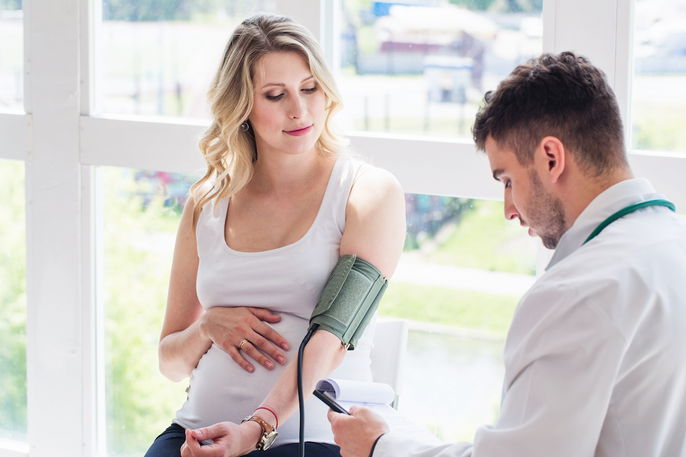
High blood pressure during pregnancy is defined as a blood pressure reading of 140/90 mmHg or higher. It can cause uncomfortable symptoms like persistent headaches, nausea, abdominal pain, blurred vision, or swelling throughout the body.
Poor diet or issues with the placenta’s development are often potential causes for this condition. Additionally, the risk significantly increases for women over 35, those carrying their first child, or those living with obesity or diabetes.
Blood pressure typically drops during the first half of pregnancy and returns to normal or rises slightly as the due date approaches. If a pregnant woman experiences high blood pressure, especially after 20 weeks, she must consult her obstetrician immediately.
Main symptoms
The main symptoms of high blood pressure during pregnancy include:
-
Constant headache, particularly at the back of the neck
-
Abdominal pain
-
Blurred vision or sensitivity to light
-
Nausea or vomiting
-
Sudden weight gain
-
Swelling in extremities, such as the legs or arms
-
Decreased urination or urge to urinate
High blood pressure during pregnancy does not always show symptoms, but your obstetrician can detect it during routine prenatal care visits.
If you experience any symptoms of high blood pressure, go to the hospital immediately to start appropriate treatment and prevent severe complications.
Is high blood pressure during pregnancy dangerous?
High blood pressure during pregnancy can be dangerous because it may lead to the development of preeclampsia. This is a severe complication that can result in pregnancy loss if not managed properly with a balanced diet or medication.
Confirming a diagnosis
Your obstetrician diagnoses the condition by measuring your blood pressure during office visits.
Schedule prenatal care with an obstetrician in your area:
High blood pressure during pregnancy is classified as mild when measurements are between 140/90 and 149/99 mmHg, moderate between 150/100 and 159/109 mmHg, and severe when readings are equal to or above 160/110 mmHg.
Possible causes
The exact cause of high blood pressure during pregnancy is not fully known, but certain conditions may increase the risk, including:
-
Pre-existing high blood pressure
-
Kidney disease
-
Diabetes mellitus
-
Obesity
-
Obstructive sleep apnea
-
Thrombophilia (blood clotting disorders)
-
Vascular insufficiency
-
Autoimmune diseases
Furthermore, women with a history of preeclampsia, HELLP syndrome, or a family history of gestational hypertension have an increased risk.
Other factors that may increase risk include maternal age over 35 and twin or multiple pregnancies.
Types of high blood pressure during pregnancy
The three main types of high blood pressure during pregnancy are:
1. Chronic hypertension
Chronic hypertension is high blood pressure that appears before pregnancy or within the first 20 weeks of gestation.
This type of hypertension may increase the risk of developing preeclampsia during the second or third trimester.
2. Gestational hypertension
Gestational hypertension typically occurs after 20 weeks of pregnancy or near delivery and is characterized by high blood pressure without protein in the urine or associated heart or kidney issues.
Generally, this type of high blood pressure disappears after delivery, though in some cases, the woman may develop chronic hypertension later.
3. Preeclampsia
Preeclampsia is a severe form of high blood pressure during pregnancy characterized by a sudden spike in blood pressure and the presence of protein in the urine. It can affect the placenta, brain, liver, or kidneys.
This condition may occur after 20 weeks of gestation in women who had normal blood pressure previously or those who already have chronic hypertension.
Preeclampsia increases the risk of eclampsia, a severe complication that can put both the mother’s and baby's lives at risk.
Treatment options
Treatment for high blood pressure during pregnancy must be guided by an obstetrician. Recommendations often include getting plenty of rest, drinking 2 to 3 liters of water daily, and maintaining a balanced diet low in salt and processed foods.
Additionally, the doctor may suggest light physical exercise, such as walking, yoga, or water aerobics, 2 to 3 times a week, as well as limiting coffee intake to one cup per day.
However, if blood pressure does not decrease with these lifestyle changes, the obstetrician may prescribe medication to manage it. Read more about blood pressure medications and side effects associated with use.
In more severe cases, the pregnant woman may need to stop working or be admitted to the hospital to prevent the development of eclampsia.
Recommended diet
A diet for high blood pressure during pregnancy should be low in salt and rich in water to prevent fluid retention and relieve pressure in the blood vessels. It should also be rich in folic acid, which has a vasodilatory effect that helps lower blood pressure.
To find out if your pregnancy weight gain is healthy, enter your data in the following calculator:
Possible risks
The main risks associated with high blood pressure during pregnancy include:
-
Issues with the liver, kidneys, placenta, or brain
-
Decreased flow of blood, oxygen, and nutrients to the baby
-
Stroke
-
Blood clotting problems
-
Placental abruption (premature separation of the placenta)
-
Fetal growth restriction
-
Premature birth
-
Low birth weight
Furthermore, high blood pressure increases the risk of preeclampsia progressing to eclampsia, which causes seizures, coma, and potentially the death of the mother and baby.
In cases where blood pressure cannot be lowered even with prescribed medications, labor must be induced to prevent life-threatening complications.