


Hemorrhoid symptoms often include pain in the anus when sitting or having a bowel movement, as well as itching and irritation in the area. Small lumps may also appear, along with bright red blood in the stool or on toilet paper.
Hemorrhoids are swollen and inflamed veins in the anal region. They are commonly linked to factors such as a low-fiber diet, constipation, excessive straining during bowel movements, or pregnancy.
Also recommended: External Hemorrhoids: Symptoms, Causes & Treatment tuasaude.com/en/external-hemorrhoidsTo properly evaluate hemorrhoid symptoms and identify the most effective treatment, it is important to consult a gastroenterologist or proctologist.
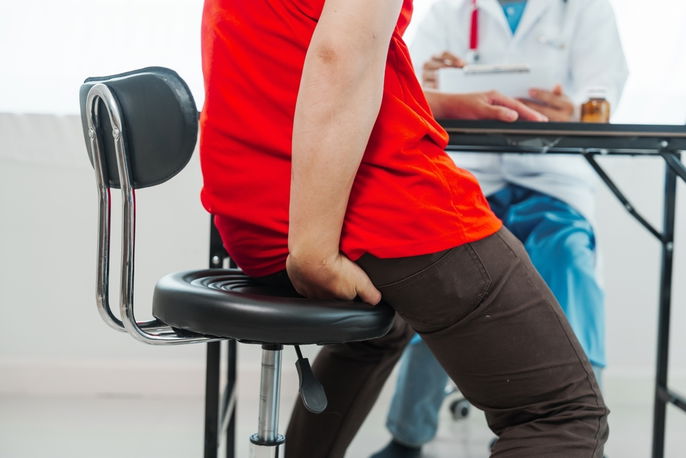
Symptoms of hemorrhoids
The most common hemorrhoid symptoms are:
-
Bright red blood in the stool or on toilet paper after wiping
-
Pain in the anus when sitting, during bowel movements, or when wiping
-
A soft lump or nodule that can be seen or felt in the anus
-
Mucus-like discharge on underwear or toilet paper
-
Persistent itching or irritation around the anus
-
Small, uncontrolled leaks of stool
-
A sensation of incomplete evacuation or heaviness in the anal area
In some cases, a person with hemorrhoids may also develop an anal fissure, which is a small tear in the anus that causes pain and burning during bowel movements.
Learn about the symptoms that can present with internal hemorrhoids.
How to know if I have hemorrhoids
To determine if hemorrhoids are present, it is recommended to see a proctologist or gastroenterologist. The doctor can perform a physical exam and assess the symptoms.
To confirm the diagnosis, tests such as anoscopy, sigmoidoscopy, or colonoscopy may be ordered. These exams also help rule out other causes of rectal bleeding, such as tumors or inflammatory bowel disease.
When hemorrhoids may occur
Hemorrhoids can appear at any age but are more common in adults and older people.
They frequently affect people with chronic constipation, since straining during bowel movements increases pressure on the veins in the anal area. Overweight individuals are also at greater risk.
Hemorrhoids during pregnancy are especially common due to the added pressure from the growing abdomen.
Read more about what causes hemorrhoids and other risk factors for developing them.
How to treat hemorrhoids
Treatment for hemorrhoids should be guided by a proctologist or gastroenterologist, with the goal of relieving pain and discomfort. Recommended options may include:
-
Topical creams or ointments with vasoconstrictor, analgesic, or anti-inflammatory action
-
Oral medications such as acetaminophen or ibuprofen
-
Phlebotonic supplements such as diosmin and hesperidin
In addition, certain habits can help improve hemorrhoid symptoms and prevent flare-ups, such as taking warm sitz baths, avoiding straining during bowel movements, drinking plenty of water, and eating a fiber-rich diet. Learn more about the hemorrhoid diet your doctor may recommend.