


Heel pad syndrome is a condition that causes pain in the center of the heel due to changes or damage in the fat pad that cushions the heel bone. This fat pad normally absorbs shock during walking or standing, but when it becomes thinner or less effective, pain can develop.
Common symptoms include deep heel pain that worsens when walking on hard surfaces or standing for long periods. Heel pad syndrome is often linked to factors such as aging, repeated impact, or wearing shoes that do not provide enough cushioning.
Treatment usually focuses on reducing pressure on the heel and improving support, while prevention involves proper footwear and lifestyle adjustments. In some cases, a medical evaluation is needed to confirm heel pad syndrome and rule out other causes of heel pain.
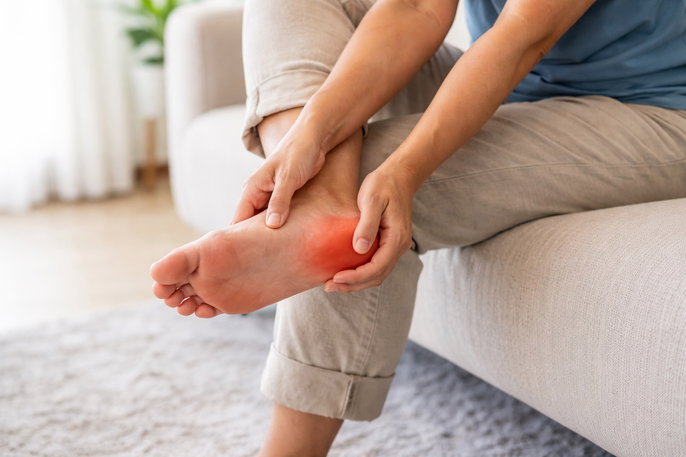
Main symptoms
Heel pad syndrome typically causes discomfort in the center of the heel that may worsen with activity.
-
Deep, dull pain in the middle of the heel
-
Pain that increases when walking barefoot or on hard surfaces
-
Discomfort after long periods of standing or walking
-
A reduced cushioning sensation under the heel
-
Pain that improves with rest
Symptoms often develop gradually and may become more noticeable over time if the underlying cause is not addressed.
Common causes
Heel pad syndrome develops when the fat pad under the heel loses its ability to absorb shock effectively. This can be related to:
1. Degeneration and aging
Natural aging can lead to thinning and reduced elasticity of the heel fat pad. These structural changes decrease its ability to cushion impact and protect the heel during movement.
2. Repetitive stress and impact
High-impact activities such as running or jumping can place repeated stress on the heel. Long periods of standing, especially on hard surfaces, can also contribute to gradual damage to the fat pad.
3. Footwear and mechanical factors
Wearing shoes with poor cushioning or inadequate support can increase pressure on the heel. Frequently walking barefoot on hard floors may further reduce the protection normally provided by the fat pad.
4. Health conditions and other factors
Obesity increases pressure on the heel and can accelerate wear of the fat pad. Diabetes may affect tissue quality and healing, while previous injuries or trauma to the heel can weaken its structure. Certain medical treatments, such as repeated corticosteroid injections, may also contribute to fat pad changes.
These factors can lead to breakdown of the internal structure of the fat pad, making it less effective at absorbing shock.
Confirming a diagnosis
Diagnosis of heel pad syndrome is mainly based on clinical evaluation and symptom history. Healthcare providers typically look for pain located in the center of the heel rather than the front or sides, which helps distinguish it from other conditions like plantar fasciitis.
A physical exam may include pressing on the heel to identify the exact location of pain and assessing how symptoms change with movement or pressure. Pain that worsens when standing on hard surfaces is a key sign of heel pad syndrome.
Imaging tests such as ultrasound or MRI may be used in some cases to evaluate the thickness and structure of the heel fat pad and confirm changes such as thinning or reduced elasticity.
Treatment options
Treatment for heel pad syndrome focuses on reducing pressure on the heel and improving shock absorption.
1. Conservative measures
Rest and limiting high-impact activities can help reduce strain on the heel. Wearing cushioned shoes or using shock-absorbing insoles improves support, while heel cups or pads can protect the heel from direct impact. Avoiding walking barefoot on hard surfaces also helps prevent further irritation.
2. Lifestyle adjustments
Weight management can reduce pressure on the heel and improve overall foot function. Modifying daily activities to limit prolonged standing may also help reduce symptoms and prevent worsening.
3. Physical therapy
Exercises can improve foot mechanics and reduce strain on the heel. Physical therapy techniques may also help redistribute pressure more evenly during walking and standing.
4. Advanced and emerging treatments
In some cases, procedures such as fat grafting may be considered to restore cushioning in the heel. However, these approaches are still being studied and are not widely used.
Most people improve with conservative treatment, especially when changes are made early.
Prevention measures
Preventing heel pad syndrome involves protecting the heel from excessive stress.
-
Wearing well-cushioned, supportive footwear
-
Avoiding prolonged standing on hard surfaces
-
Gradually increasing the intensity of physical activities
-
Maintaining a healthy weight
-
Using protective insoles during high-impact activities
These steps help preserve the natural function of the heel fat pad and reduce the risk of developing heel pad syndrome.