


- Hawthorn may help support heart health by improving circulation, easing mild blood pressure concerns, and providing antioxidant protection.
- Its calming properties may help reduce anxiety and support better sleep, especially when prepared as teas or tinctures.
- Although generally safe short term, hawthorn can cause side effects or interact with medications, so its use should be guided by a healthcare professional.
Hawthorn is a medicinal plant commonly used to support heart health and improve blood circulation. It is also known for helping reduce anxiety symptoms, lower blood pressure, and support immune function due to its high content of flavonoids and phenolic acids.
This plant comes from the Crataegus species and may also be called white hawthorn or may tree. The most widely known species are Crataegus oxyacantha and Crataegus monogyna, which can be used in teas or tinctures found in herbal shops and natural product stores.
Although hawthorn can offer many health benefits, it may also cause side effects such as palpitations, chest pain, gastrointestinal bleeding, or headaches. Because of this, its use should always be guided by a doctor or herbal medicine specialist.
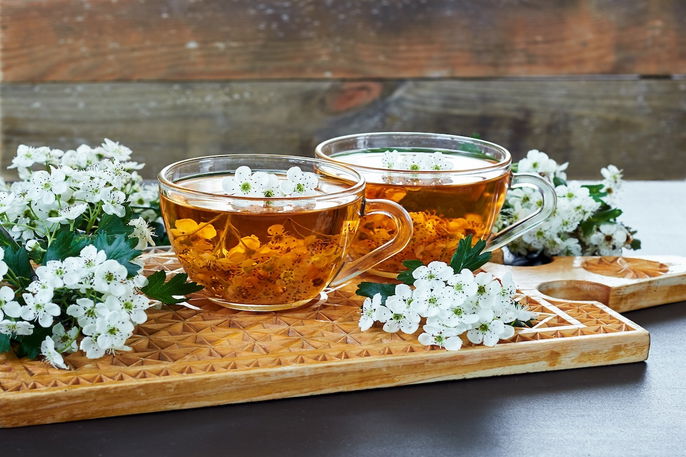
Health benefits
Some benefits of hawthorn include:
-
Poor blood circulation
-
High blood pressure
-
High LDL (“bad”) cholesterol
-
Fat buildup in blood vessels
-
Anxiety
-
Insomnia
In addition, hawthorn may help support the management of certain heart conditions, such as myocardial degeneration, changes in the blood vessels, mild to moderate heart failure, or mild heart rhythm disturbances.
Hawthorn berries may also help relieve indigestion and treat diarrhea.
Although hawthorn may assist with several health concerns, it should not replace medical treatment.
Properties of hawthorn
The properties of hawthorn include vasodilating, relaxing, antioxidant, circulation stimulating, and skin and mucosal healing effects.
How to use
Hawthorn can be used as a tea or a tincture. The leaves, flowers, or berries of the plant may be used for medicinal purposes.
1. Hawthorn tea
This tea may help strengthen the heart, improve blood circulation, and support better sleep.
Ingredients
-
1 teaspoon of dried hawthorn leaves
-
1 cup of boiling water
Preparation method
Place the dried hawthorn leaves in the boiling water and allow the infusion to steep for 5 to 10 minutes. Strain and drink.
This tea can be consumed 2 to 3 times per day for at least 4 weeks.
2. Hawthorn tea with arnica
Hawthorn tea combined with arnica and lemon balm is often used to help support a heart that has weakened with age.
Ingredients
-
1 teaspoon of dried hawthorn leaves
-
1 teaspoon of arnica flowers
-
1 teaspoon of lemon balm
-
1 cup of boiling water
Preparation method
Place the ingredients in boiling water and allow the infusion to steep for 10 minutes. Strain and drink.
This tea can be consumed twice a day for at least 4 weeks.
3. Hawthorn tea with yarrow
For those with poor circulation, hawthorn tea with yarrow and peppermint may help support blood flow.
Ingredients
-
1 teaspoon of dried hawthorn leaves
-
1 teaspoon of yarrow
-
1 teaspoon of peppermint
-
1 cup of boiling water
Preparation method
Place the mixture in the boiling water and let it steep for 10 minutes. Strain and drink. This tea can be consumed 3 times a day for at least 4 weeks.
4. Hawthorn tincture
Hawthorn can also be taken as a tincture. The typical recommendation is 20 drops diluted in a glass of water, taken 3 times a day after meals.
These tinctures can be purchased in natural product stores or prepared at home using vodka.
Also recommended: How to Make a Tincture: Step-by-Step Guide (& Health Benefits) tuasaude.com/en/how-to-make-a-tincturePossible side effects
The most common side effects of hawthorn include nausea, stomach pain, fatigue, increased sweating, headache, dizziness, heart palpitations, nosebleeds, insomnia, or agitation.
These effects are more likely to occur when hawthorn is used too frequently or in amounts higher than recommended.
Who should not use it
Hawthorn is generally considered safe for most adults when used short term, for no longer than 16 weeks.
However, it should not be used by pregnant or breastfeeding women or by anyone with a known hawthorn allergy.
Hawthorn may also interact with certain medications, including digoxin, blood pressure medications, erectile dysfunction medications, and medications for angina. In these cases, it should only be used under medical supervision.
Because hawthorn tincture contains alcohol, it should not be used by people undergoing treatment for alcohol dependence or those taking disulfiram.