


- Green urine that lasts longer than 2 days or keeps returning without an obvious cause may indicate an underlying infection or medical condition.
- Green urine accompanied by fever, pain, burning during urination, or bladder pressure can be a sign of a urinary tract infection and needs medical evaluation.
- Bright or neon green urine that occurs alongside other symptoms, recent surgery, or new medications should be assessed to rule out drug or contrast-related effects.
Green urine is a noticeable change in urine color that is often linked to foods with artificial dyes, leafy green vegetables, medications, or contrast used in imaging tests. In most cases, green urine is harmless and resolves on its own once the cause is removed.
In some situations, green urine may be associated with a urinary tract infection caused by Pseudomonas bacteria, especially when it occurs alongside symptoms such as fever, pain, or burning during urination. Certain medical conditions and vitamin excess can also lead to bright or neon green urine.
Treatment for green urine depends on the underlying cause and may range from no intervention to antibiotics or medical evaluation. Persistent color changes lasting more than two days or accompanied by other symptoms usually require further assessment to rule out infection or medication-related effects.
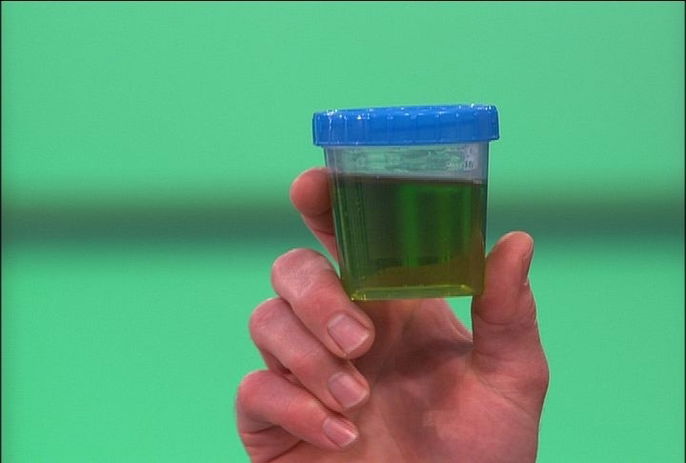
Why is my urine green?
Green urine is commonly caused by:
1. Medication use
Medications are the most common reason for green urine, particularly those that are made with dyes or other artificial colors. Below is a summary of medications that can lead to the emergence of green urine:
Green urine can also emerge following surgery, as some components of general anesthetic, like propofol, can alter urine color.
What to do: No further treatment is necessary, as the urine color in this case will not affect overall body functioning. You should still notify your prescriber of the side effect, however, to see whether a dose change or alternative medication is needed.
2. Eating asparagus or other foods
Some foods can give urine a green color, particularly those with artificial coloring like cakes or gummy candy. Leafy green vegetables, like spinach or asparagus, have high levels of chlorophyll, which can also make urine green.
Urine color can vary from a light to a dark green, depending on the amount of food eaten.
What to do: If you ate any of these foods and noticed a change to your urine color, you should not worry. Urine color will usually return to normal within a day.
3. UTI
Although most UTIs do not cause any urine color changes, there are some bacteria that can make your urine appear green. Infections caused by Pseudomonas aeruginosa bacteria, for example, are associated with green urine and are commonly found in patients admitted in a hospital.
In addition to green urine, infected patients may also notice other UTI symptoms, like fever and bladder heaviness. Read more about UTI symptoms to look out for, and complete out online symptom checker to assess your risk for a UTI.
What to do: If you suspect you have a UTI, you should see your doctor for a urine test and to assess the need to initiate antibiotic treatment. UTI treatment can vary depending on your symptoms and the underlying bacteria causing infection.
4. Image tests with contrast dye
Some medical tests that use contrast like blue methylene can turn change urine color and make it green. Depending on the type of contrast used, other colors may also be noticed, like blue, red or pink.
What to do: Specific treatment is not necessary, however you should drink plenty of fluid to help eliminate any lingering contrast quickly.
5. Other medical conditions
Some rare medical conditions can also cause green urine. Genetic disorders such as Blue Diaper Syndrome or Hartnup disease interfere with tryptophan metabolism, leading to pigment formation that turns urine blue-green. Liver and bile disorders can result in biliverdin excretion, which gives urine a green color. Abnormal connections between the intestines and bladder, known as enterovesical fistulas, may also introduce bile pigments into urine.
What to do: Treatment focuses on managing the underlying condition, which may involve dietary adjustments, antibiotics, or surgical correction. Urine color typically normalizes once the cause is addressed.
Also recommended: Urine Color Chart: What Clear, Yellow, Green or Red Urine Means tuasaude.com/en/urine-color-chartNeon green urine
Neon green urine is a distinct and more vivid form of green urine that often appears bright or fluorescent. This presentation is most commonly linked to high intake of B vitamins, especially riboflavin (vitamin B2), which is naturally fluorescent and rapidly excreted when consumed in excess. Artificial food dyes and some Pseudomonas infections can also produce a neon green appearance.
Neon green urine from vitamins or food dyes is harmless and temporary, while neon green urine accompanied by fever, pain, or urinary symptoms may indicate infection.
Benign causes resolve on their own without treatment. Persistent neon green urine or associated symptoms require medical evaluation.
When to see a doctor
If your urine is green for over 2 days, you should seek medical attention for assessment, diagnosis and treatment as appropriate. You should take a list of your medications with you, so that the doctor can rule out whether the green urine is a result of a specific medication.