


Garcinia cambogia (Garcinia gummi-gutta) is a medicinal plant used to support weight loss, help manage diabetes, lower cholesterol, and improve energy and overall vitality. These effects are attributed to its hydroxycitric acid content, which has appetite-reducing, antidiabetic, anti-inflammatory, and antioxidant actions.
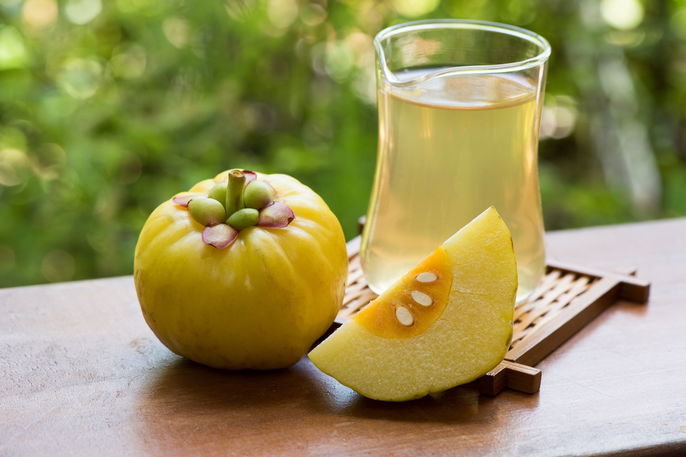
The part of the plant most commonly used is the fruit, particularly the rind. Medicinal compounds are extracted from the rind to prepare tea or supplements in capsule form.
Garcinia cambogia, also known as citrino, Malabar tamarind, goraka, or oil tree, is available in natural health stores. Although it is widely promoted for its potential health benefits, it should only be used under the guidance of a physician or a qualified herbal medicine specialist.
Main benefits
Garcinia cambogia is generally indicated to:
1. Help with weight loss
Garcinia cambogia may help with weight loss because it is rich in hydroxycitric acid, a substance that can block the enzyme citrate lyase. By doing so, it may reduce fat absorption and fat synthesis in the body.
As a result, the body may rely more on stored fat as an energy source, which can contribute to weight loss.
In addition, garcinia cambogia is considered a natural appetite suppressant because it may stimulate serotonin production. Serotonin is a neurotransmitter involved in mood, sleep, and appetite regulation, which can increase feelings of pleasure and well-being.
2. Help control diabetes
The hydroxycitric acid in garcinia cambogia has antidiabetic properties that may help control blood sugar levels and improve insulin sensitivity.
For this reason, garcinia cambogia may be useful as an adjunct in managing insulin resistance, prediabetes, and type 2 diabetes. However, garcinia cambogia does not replace diet changes, regular physical activity, or medications prescribed by a healthcare provider.
According to the Centers for Disease Control and Prevention (CDC), physical activity is a foundation of diabetes management because it helps manage blood sugar levels and lowers the risk of complications.
3. Lower cholesterol
Because it contains hydroxycitric acid and flavonoids with antioxidant properties, garcinia cambogia may help lower LDL (“bad”) cholesterol and triglycerides. It may also help increase HDL (“good”) cholesterol.
4. Help prevent cardiovascular disease
By helping lower LDL cholesterol and triglycerides and increasing HDL cholesterol, garcinia cambogia may help reduce the risk of cardiovascular conditions such as atherosclerosis, heart attack, or stroke.
Because it may also help regulate blood sugar levels, it may reduce the risk of cardiovascular disease associated with diabetes.
5. Relieve gastrointestinal discomfort
Garcinia cambogia has anti-inflammatory and anti-ulcer properties due to garcinol in its composition. This substance may help reduce pain and gastrointestinal discomfort caused by stomach ulcers.
6. Support immune system function
Because it is rich in antioxidants, garcinia cambogia may help reduce free-radical damage in the body. This can support the function of the body’s defense cells and help strengthen immune function.
7. Help fight inflammation
Garcinia cambogia has anti-inflammatory and antioxidant properties that may help reduce oxidative stress and inflammation in the body.
8. Improve physical performance
By promoting fat metabolism, garcinia cambogia may help improve endurance and physical performance during exercise.
In addition, it may increase energy and overall vitality by stimulating serotonin production, which can also contribute to better physical performance.
How to take
Garcinia cambogia can be consumed as tea or in supplement form, using dried fruit or a dry extract from the fruit rind.
The main ways to take garcinia are:
1. Garcinia cambogia 500 mg capsules
Garcinia cambogia 500 mg capsules should be taken by mouth with a glass of water.
The usual adult dose is one to two 500 mg capsules taken about one hour before meals.
The exact dose may vary depending on age and individual goals, and a doctor may recommend taking fewer capsules if appropriate.
2. Garcinia cambogia tea
Garcinia cambogia tea may be used to support weight loss.
Ingredients
- 3 to 5 dried garcinia cambogia fruits;
- 1 liter of water.
Directions
Place the ingredients in a pot and bring to a boil. Then turn off the heat, cover, and let steep for about 5 minutes. Drink 1 cup of tea up to 3 times per day, between meals.
It is important to use this medicinal plant, especially for weight loss, together with a balanced diet and regular physical activity so that results are more long-lasting.
Side effects
Possible side effects of garcinia cambogia, particularly when taken for more than 12 weeks or in doses higher than recommended, include nausea, vomiting, diarrhea, stomach pain, sore throat, dry mouth, and dizziness.
Can garcinia cambogia cause liver damage?
Garcinia cambogia may cause serious liver problems such as acute hepatitis or liver failure.
According to the National Center for Complementary and Integrative Health (NCCIH), several cases of liver damage have been reported in people who were taking garcinia cambogia products, and some cases were severe (although uncommon). Possible warning signs include abdominal pain, nausea, dark urine, pale or whitish stools, and yellowing of the skin or eyes.
This is more likely to occur when the plant is used without medical supervision or taken in excessive amounts. Some individuals may also be more sensitive, so it is advisable to stop using garcinia and seek medical attention or go to the nearest emergency department if these symptoms appear.
Contraindications for use
Garcinia cambogia should not be used by children under 12 years old or by people who are pregnant or breastfeeding.
It should also not be used by people taking antidepressants that increase serotonin, such as fluoxetine or escitalopram, or by people who are allergic to garcinia or any other component of the supplement.
People with diabetes should be cautious when using garcinia cambogia, as it can excessively lower blood sugar levels and potentially cause hypoglycemia.