


Gallbladder pain is a symptom that can be caused by various conditions, including gallstones, cholangitis, biliary dyskinesia, polyps, or, less commonly, gallbladder cancer.
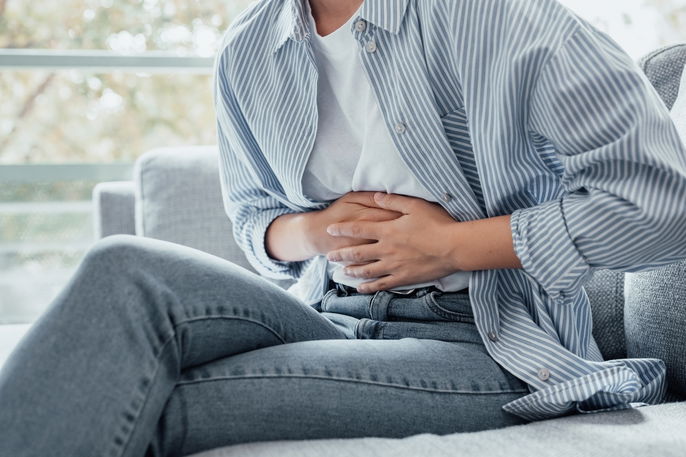
Gallbladder pain is characterized by pain in the right upper quadrant of the abdomen. Other symptoms may include bloating, yellowing of the skin and eyes, dark urine, and light-colored stool.
A gastroenterologist, hepatologist (liver specialist), or general practitioner should be consulted in the case of gallbladder pain in order to confirm a diagnosis and, if necessary, prescribe treatments like medication, dietary changes, or surgery.
Possible causes
The main causes of gallbladder pain include:
1. Gallstones
Gallstones are hardened lumps of digestive fluid (bile) that form inside the gallbladder, typically due to an excess of cholesterol in the bile and a gallbladder that is not draining properly.
Gallstones that block the bile ducts can cause symptoms like severe right-sided abdominal pain, frequent diarrhea, fever, nausea, or vomiting.
2. Cholecystitis
Cholecystitis is inflammation of the gallbladder causing symptoms like cramping or colicky right-sided abdominal pain, nausea, vomiting, fever, or tenderness to palpation of the abdomen.
This inflammation is most often triggered by gallstones but can also be caused by a nodule or a tumor, blockage of the bile duct, or infections.
3. Cholangitis
Cholangitis is inflammation of the bile duct, which can be caused by bacterial infections due to obstruction of the bile duct, autoimmune disorders, or parasites like roundworms and tapeworms.
People with cholangitis may present with itchy skin, swelling of the feet and ankles, or right upper quadrant abdominal pain.
4. Biliary dyskinesia
Biliary dyskinesia is a functional disorder of the gallbladder in which the gallbladder cannot effectively release the bile that is necessary to digest fats.
Symptoms may include colicky ride-sided abdominal pain underneath the ribs, excess gas, a feeling of fullness in the stomach, and headache.
5. Polyps
Gallbladder polyps are protrusions from the wall of the gallbladder that do not typically cause any symptoms. Very large polyps may cause symptoms like nausea, right-sided abdominal pain, and vomiting.
6. Gallbladder cancer
Gallbladder cancer is a rare type of malignant tumor that develops in the gallbladder and does not cause any symptoms in the initial stages.
Gallbladder cancer that is diagnosed in the later stages may cause symptoms like abdominal pain or swelling and yellowing of the skin and eyes.
Common symptoms
Depending on the cause, gallbladder pain may be accompanied by other symptoms, such as:
- Pain in the right upper quadrant of the abdomen, under the ribs;
- Pain that radiates to the right shoulder or back;
- Abdominal bloating or swelling;
- Yellowing of the skin and eyes (jaundice);
- Indigestion, nausea, and vomiting;
- Fever and cold sweats;
- Dark urine and light-colored stool;
- Loss of appetite.
People with gallbladder pain may also present with symptoms like excess gas, a feeling of fullness in the stomach, frequent diarrhea, and heart palpitations.
What does gallbladder pain feel like?
Gallbladder pain is characterized by sudden, severe, constant, sharp, colicky pain. This type of pain, also known as biliary colic, typically happens after eating fatty foods and may be confused with a heart attack.
Gallbladder pain does not improve with moving around, having a bowel movement, or passing gas, and can last anywhere from several minutes to several hours.
Where is gallbladder pain felt?
Due to the location of the gallbladder, pain is felt in the right upper quadrant of the abdomen, the stomach region, or under the ribs on the right side.
Gallbladder pain can also radiate to the upper middle part of the abdomen, the back, the clavicle (collar bone), or right shoulder.
Pain management
Some tips to relieve gallbladder pain quickly include:
- Applying warm compresses to the area, for 15 to 20 minutes, to help relax the muscles and temporarily relieve the pain;
- Drinking dandelion tea, boldo tea, or burdock tea, which are home remedies that can help alleviate pain in the case of gallstones;
- Taking magnesium supplements that can facilitate emptying of the gallbladder.
These methods provide only temporary relief, however, and do not treat the underlying cause of gallbladder pain.
People with gallbladder pain should make an appointment with their healthcare provider to confirm a diagnosis and get started on the appropriate treatment.
Best position for sleep
The best position for sleep with gallbladder pain may be the left side, which avoids compression of the gallbladder (which is located on the right side).
There is no scientific evidence, however, that sleeping on a specific side helps relieve gallbladder pain.
Treatment options
Treatment of gallbladder pain depends on the underlying cause and may include:
1. Medications
Medications prescribed by a healthcare provider to relieve gallbladder pain may include ursodeoxycholic acid (ursodiol) to facilitate bile flow from the liver and dissolve gallstones.
Other medications a provider may prescribe include analgesics and anti-inflammatories to relieve pain, antibiotics to fight bacterial infections, antiemetics to alleviate nausea, and cholestyramine to relieve itching.
In the case of infection, treatment should be done in the hospital with medications given through an IV along with continuous monitoring of vital signs.
2. Fasting
Because the gallbladder is part of digestion, a doctor may recommend placing a patient on NPO status (nothing by mouth) to improve symptoms and allow the gallbladder to rest.
3. Surgery
Gallbladder removal surgery, also called a cholecystectomy, may be recommended by a doctor for conditions like cholangitis, cholecystitis, biliary dyskinesia, gallstones, and cancer.
Surgical drainage of the gallbladder may be indicated to help reduce inflammation and remove pus in cases of cholangitis and cholecystitis.
4. Extracorporeal shock wave lithotripsy
A doctor may also recommend extracorporeal shock wave lithotripsy (ESWL), which is a procedure that uses shock waves to break up noncalcified gallstones.
5. Dietary changes
A gallbladder diet can be prescribed by a registered dietitian to help manage a flare-up of gallbladder pain and should prioritize healthy and whole foods like fruits, vegetables, whole grains, legumes, tubers, and lean protein.
Foods to avoid as part of a gallbladder diet include fatty foods like milk and dairy products, smoked and cured meats, ice cream, and nuts, in addition to alcoholic beverages.
6. Chemotherapy
Chemotherapy, consisting of medications taken orally or through an IV, may be recommended by a doctor for the treatment of gallbladder cancer.
Chemotherapy can be done before surgery to reduce the number of cancer cells and make it easier to remove the tumor, or after surgery to eliminate any remaining cancer cells.
7. Radiation
Radiation is another form of cancer treatment that may be indicated by a doctor for the treatment of gallbladder cancer.
Radiation can be used alongside chemotherapy and is typically recommended in more advanced cases of disease to help relieve symptoms like pain, persistent nausea, and loss of appetite.
Confirming a diagnosis
It is recommended to consult a gastroenterologist, hepatologist, or general practitioner to confirm whether the pain you are experiencing is gallbladder pain.
During the appointment, your provider will perform a physical exam and evaluate your symptoms, in addition to asking about your medical and family history.
Diagnosis typically involves blood, urine, and stool tests and exams like cholangiography, computed tomography (CT scan), magnetic resonance imaging (MRI), and ultrasonography.