


Fractional CO2 laser is a specialized cosmetic treatment designed to rejuvenate the skin on the face, neck, and hands. It is highly effective at reducing the appearance of deep wrinkles, eliminating dark spots, and smoothing out old acne scars.
This advanced laser technology works by delivering targeted beams of light into both the superficial and deeper layers of the skin. By creating controlled thermal micro-injuries, the procedure triggers the body's natural healing response to boost collagen production and accelerate cell turnover.
The treatment is a popular choice for both men and women seeking professional-grade skin resurfacing results. It must be performed by a licensed dermatologist or a certified aesthetic specialist to ensure safety and clinical precision.
What it is used for
The fractional CO2 laser is typically recommended for addressing the following concerns:
-
Fine lines and deep-set wrinkles;
-
Rough or uneven skin texture;
-
Facial or body skin laxity;
-
Dark spots, sun damage, or melasma;
-
Age spots (liver spots);
-
Stretch marks;
-
Pitted acne scarring on the face;
-
Comprehensive facial rejuvenation.
While frequently used on the face and neck, this laser can also be applied to the hands, legs, or abdomen depending on a patient's specific needs and a medical evaluation.
How to prepare
To prepare for a fractional CO2 laser session, your doctor may prescribe a skin-lightening cream, especially for patients with darker skin tones or existing pigmentation issues.
For those prone to cold sores, a healthcare provider might recommend taking an antiviral medication prior to the appointment to prevent a viral flare-up.
On the day of the procedure, you should wash your face with a mild cleanser and water. Ensure your skin is free of makeup and remove all jewelry or piercings before the session begins.
How it is performed
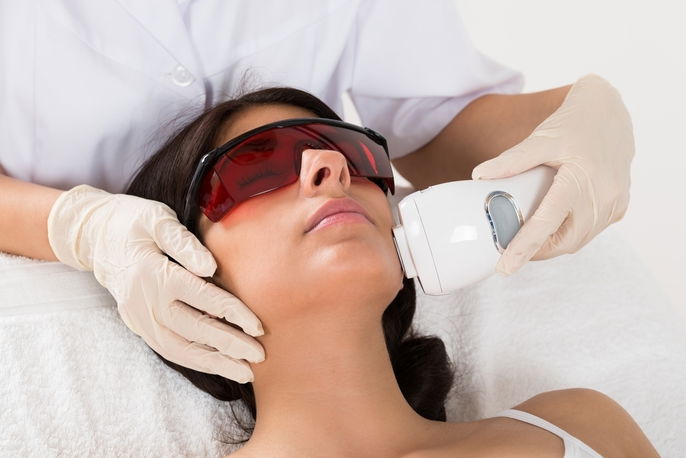
The procedure takes place in a clinical setting, such as a dermatology office or a specialized medical spa. Before the treatment starts, a topical numbing cream is applied to the skin, and protective eyewear is provided to shield your eyes from the laser light.
The specialist will map out the treatment area and apply a conductive gel. The laser is then applied in a series of precise, non-overlapping pulses; while the numbing cream helps, some patients may still feel a minor snapping sensation or heat during the process.
How many sessions are necessary?
Most patients require between 3 and 6 sessions, typically spaced 45 to 60 days apart to allow the skin to heal. You will likely notice a gradual improvement in your skin’s appearance over time because collagen remodeling is not an immediate process.
The most significant results usually become visible about 20 days after the treatment as the new collagen fibers begin to organize and firm the skin.
When results appear
Immediately following the procedure, the skin will appear red and swollen for about 4 to 5 days. During this initial recovery phase, the treated area will experience a mild, sandpaper-like peeling or flaking.
By the end of approximately 6 weeks, the full benefits should be apparent. The skin generally looks firmer and smoother, with tighter pores, reduced scarring, and a more vibrant overall complexion.
Care after the procedure
Proper aftercare is essential for achieving the best results and preventing complications. You should follow these guidelines:
-
Avoiding very hot showers or steam baths;
-
Use cold compresses during the first 24 hours to soothe swelling or stinging;
-
Apply hydrating and repairing creams daily as recommended by your specialist;
-
Wear a broad-spectrum sunscreen with an SPF of 30 or higher every day;
-
Stay out of direct sunlight and wear a wide-brimmed hat when outdoors;
-
Do not pick at or manually peel the flaking skin;
-
Avoid wearing makeup until the skin has fully resurfaced and healed.
If you notice any unusual darkening in specific spots after the treatment, your provider may suggest using a brightening cream until your next scheduled session.
When it is not indicated
Fractional CO2 laser is not recommended for individuals who are pregnant or those with a history of keloid scarring or very deep, thick scars.
The procedure should also be avoided by people with active skin conditions like vitiligo, psoriasis, lupus, or active acne breakouts. It is not suitable for those with open wounds, burns, or active herpes (cold sores), nor for patients currently taking certain medications like isotretinoin or blood thinners.
Possible risks
While fractional CO2 laser is considered safe and is generally well-tolerated, some side effects can occur, including:
-
Significant skin peeling or temporary crusting;
-
Swelling that lasts for up to a week;
-
Post-inflammatory hyperpigmentation (darkening of the skin);
-
Flare-ups of oral herpes (cold sores);
-
Contact dermatitis or skin irritation.
In rarer cases, patients may develop small blisters, localized bacterial infections, or yeast infections (candidiasis) on the treated skin.