


- Formaldehyde can irritate the eyes, skin, and airways, while high levels of exposure can cause serious poisoning.
- Some hair smoothing and nail products may contain or release formaldehyde, especially when heat is applied.
- Formaldehyde is a known human carcinogen linked to certain cancers, including myeloid leukemia and cancers of the nasal passages.
Formaldehyde is a colorless gas with a strong odor. Formalin is an aqueous solution of formaldehyde, and exposure to formaldehyde can cause allergic reactions and irritation, while high levels of exposure can cause serious toxicity.
Formaldehyde may be released from certain hair straightening and smoothing products, including some keratin treatments and products marketed as “hair botox.” It can also be found in some nail hardeners and nail polishes.
Exposure to formaldehyde can irritate the eyes, skin, and respiratory tract and, at high concentrations, can cause serious health effects. Formaldehyde is also a known human carcinogen, and prolonged or high occupational exposure has been associated with certain cancers.
Main uses
Formaldehyde or ingredients that release formaldehyde may be found in some cosmetic products, including certain hair straightening and smoothing treatments and nail products. The FDA warns that some hair smoothing products containing formaldehyde, formalin, or methylene glycol can release formaldehyde gas when heated.
Formaldehyde is also used in laboratories to preserve animal specimens and anatomical tissue. People who work with formaldehyde should use appropriate protective measures, such as eye protection, gloves, protective clothing, adequate ventilation, and respiratory protection when required.
Health risks
Frequent exposure to formaldehyde or contact with or inhalation of large amounts can pose health risks, including:
1. Respiratory problems
When inhaled, formaldehyde can irritate the respiratory tract and cause problems such as bronchospasm, airway inflammation, and pulmonary edema.
It may also cause nasal irritation, throat pain or irritation, and burns or injuries to the respiratory tract.
Formaldehyde can also cause shortness of breath, coughing, wheezing, or asthma attacks.
When used in small or poorly ventilated spaces, formaldehyde can build up in the air and lead to dangerous levels of exposure, which can be life-threatening.
2. Skin changes
When formaldehyde comes into contact with the skin, it can cause irritation, allergic dermatitis, burns, sores, ulcers, or, in severe cases, tissue damage.
3. Hair loss
When products that contain or release formaldehyde are used for hair straightening or smoothing treatments, they can cause scalp irritation or burns and may contribute to hair breakage or hair loss.
The FDA warns that some hair smoothing products contain or release formaldehyde when heated and advises consumers to check ingredient lists for formaldehyde, formalin, or methylene glycol.
4. Eye irritation
Formaldehyde can irritate the eyes when inhaled or after accidental contact with the eyes, causing symptoms such as excessive tearing, redness, or eye pain.
Exposure to high concentrations can also cause serious corneal injury and, in severe cases, loss of vision.
5. Gastrointestinal injuries
When swallowed, formalin can cause severe gastrointestinal injuries because it is corrosive to the lining of the mouth, esophagus, stomach, and intestines.
Symptoms may include nausea, vomiting, pain, gastrointestinal bleeding, and perforation.
6. Poisoning
Significant formaldehyde exposure can occur through inhalation, skin contact, or ingestion and may be life-threatening at very high concentrations.
Suspected severe formaldehyde poisoning requires urgent medical evaluation, particularly when symptoms such as difficulty breathing, severe eye or skin injury, persistent vomiting, altered consciousness, or other serious symptoms are present.
7. Cancer
Formaldehyde is a known human carcinogen, meaning that exposure can increase the risk of certain types of cancer.
According to the National Cancer Institute, exposure to formaldehyde has been associated with myeloid leukemia and cancers of the nasal cavity, paranasal sinuses, and nasopharynx. Formaldehyde can also damage DNA and chromosomes.
Children may be particularly vulnerable to some toxic exposures because of physiological differences compared with adults. For this reason, unnecessary exposure to formaldehyde should be avoided.
Formaldehyde poisoning
The main symptoms of formaldehyde poisoning include:
-
Skin redness, pain, burning, and peeling
-
Excessive tearing, eye irritation, and blurred vision
-
Coughing or difficulty breathing
-
Nausea or vomiting
-
Signs of organ injury in severe or prolonged exposure
Other serious complications may include abnormal heart rhythms, low blood pressure, respiratory failure, circulatory shock, acute kidney injury, metabolic acidosis, or coma.
If significant formaldehyde exposure has occurred and serious symptoms develop, emergency medical care should be sought immediately to begin treatment and prevent potentially life-threatening complications.
Hair straightening
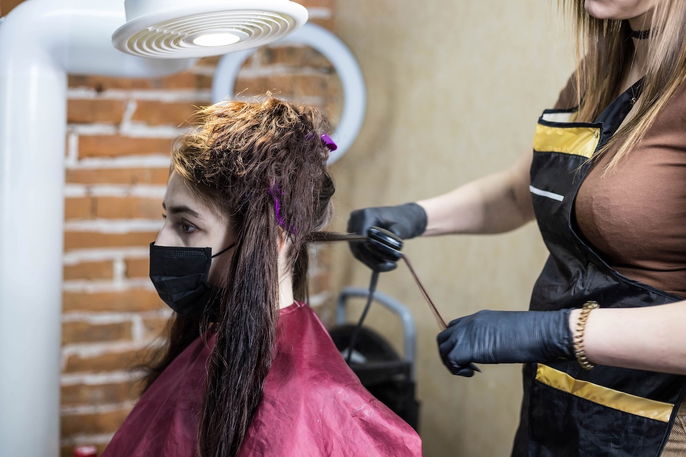
Hair straightening or smoothing treatments can expose clients and salon workers to formaldehyde gas, especially when heat is applied. According to the FDA, some products containing formaldehyde, formalin, or methylene glycol can release formaldehyde into the air when heated.
OSHA regulates workplace exposure to formaldehyde in salons. Formaldehyde may also be present in some nail products, but concentrations used in these products should not be considered safe or appropriate for hair straightening.
A strong odor or an ingredient list that includes formaldehyde, formalin, or methylene glycol may indicate exposure. However, odor alone cannot determine the level of exposure. Anyone who develops an adverse reaction should stop using the product and contact a healthcare provider.