


Fibroids are a type of benign tumor that develops in the muscular tissue of the uterus and may also be called a uterine fibroma or uterine leiomyoma. A fibroid’s location in the uterus can vary, and its size can range from microscopic to several centimeters.
Fibroids are relatively common and, in most cases, do not cause symptoms. However, some women may experience cramping, bleeding, or difficulty getting pregnant.
In these situations, treatment may be started by an OBGYN based on the characteristics of the fibroid. Medications may be recommended to help relieve symptoms, while surgery to remove the fibroid or the uterus may be considered in more severe cases.
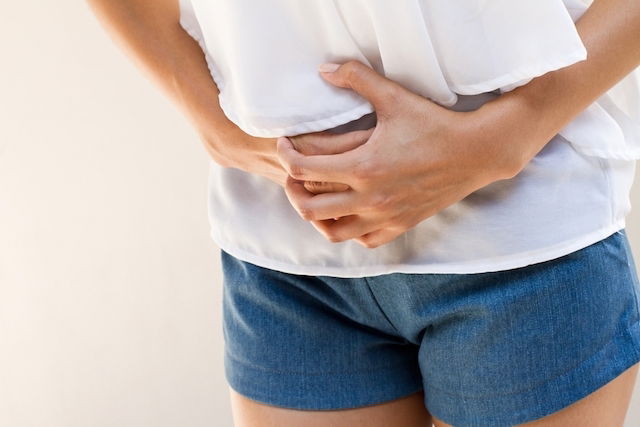
Uterine fibroid symptoms
The main symptoms of uterine fibroids are:
-
Intense cramping;
-
Pain during sex;
-
Constipation;
-
A longer menstrual period.
In most cases, uterine fibroids do not cause signs or symptoms. However, symptoms may occur when a fibroid is large or when there are multiple fibroids in the uterus, and it is important to see an OBGYN.
Confirming a diagnosis
An OBGYN diagnoses fibroids through a physical examination, which may involve a pelvic exam and abdominal palpation. If symptoms are present or changes are detected during the exam, the doctor may recommend an abdominal or transvaginal ultrasound for further evaluation.
In some cases, the doctor may also order more specific tests, such as hysteroscopy, sonohysterography, or hysterosalpingography, which are important for evaluating the uterine cavity.
Main causes
Fibroids do not have a clearly established cause. However, they develop when cells in the muscular tissue of the uterus multiply in a disorganized way, leading to tumor formation.
This disordered growth may also be related to hormonal changes, since symptoms tend to appear in adulthood and often improve after menopause.
Fibroid symptoms may also occur more frequently in women who use hormone replacement therapy (HRT).
Women who are more likely to develop fibroids include those who have not had children, those who eat a diet high in red meat and low in vegetables, women with obesity, and those with a family history of this condition.
Different types
Fibroids can be classified into different types based on where they develop in the uterus. The main types are:
-
Subserosal, when the fibroid develops on the outer surface of the uterus;
-
Intramural, when it develops within the uterine wall;
-
Submucosal, when it develops on the inner side, within the uterine cavity.
Knowing the type of fibroid is important so the severity can be assessed and the need to start treatment can be determined.
Treatment options
Treatment is recommended for intense symptoms, such as severe pain or heavy menstrual bleeding, or difficulty getting pregnant. The type of treatment depends on symptoms, the size, and the type of fibroids, and should be guided by an OBGYN. Options may include:
-
Anti-inflammatory medications, such as ibuprofen or naproxen, which help relieve intense menstrual cramps and reduce heavy bleeding caused by fibroids;
-
Hormonal medications (such as birth control pills), which can help make periods lighter and may help reduce the size of the fibroid;
-
Iron supplements, to help prevent and treat anemia caused by heavy bleeding;
-
Surgery (myomectomy), which removes fibroids while preserving the uterus. It is typically recommended when the fibroid presses on nearby organs or causes severe symptoms.
If the fibroid is very large, it may be necessary to reduce its size before surgery using a technique called embolization.
In embolization, the doctor performs a procedure in which multiple injections of an embolic agent (diluted in iodinated contrast) are delivered through the femoral artery until reduced blood flow is seen in the artery that supplies the fibroid. This leads to the fibroid’s death.
For people with fibroids who do not plan to get pregnant, the doctor may recommend removing the uterus (hysterectomy) to eliminate the fibroids and help prevent the tumor from forming again.
Can fibroids make it harder to get pregnant?
Some women with fibroids may have difficulty getting pregnant because fibroids can cause deformities in the inner part of the uterus, as well as changes in circulation and increased inflammation.
In these cases, treatment may include hormone-based medications, such as estrogens and androgens, or procedures such as myomectomy or fibroid embolization to improve the chances of getting pregnant.