


- Babies under 3 months old should be evaluated right away for a rectal temperature of 100.4°F (38°C) or higher.
- Fever with trouble breathing, difficulty waking, or unusual sleepiness can be a sign of a more serious problem.
- Urgent care is needed if the baby cannot feed, cries inconsolably, becomes unusually still, or does not respond normally.
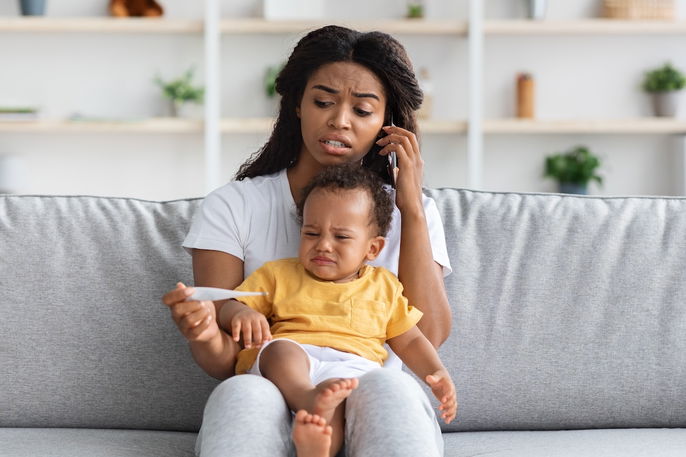
Fever in babies is usually considered to be a body temperature of 100.4°F (38°C) or higher. Rectal temperature is generally the most accurate way to check for fever in infants, especially babies under 3 months old.
Depending on the cause of fever in babies, other symptoms may also be present. These can include diarrhea, nausea, vomiting, excessive drooling, or red spots on the skin.
Fever in babies, especially during the first months of life or when other symptoms are present, should be evaluated by a pediatrician. At first, keeping the baby comfortable, offering fluids if they are awake, and avoiding overdressing can help while waiting for medical guidance.
Main causes
The main causes of fever in babies are:
1. Teething
Teething, which usually begins around 6 months of age, may cause a slight increase in body temperature in some babies. However, this increase is usually not high enough to be considered a true fever.
Irritability, excessive drooling, and gum discomfort are more common teething symptoms. It is also common for babies to put their hands in their mouth or chew on objects more often.
Also recommended: 7 Teething Remedies to Help Relieve Pain tuasaude.com/en/teething-remedies2. Vaccine reaction
Fever in babies can happen after vaccination and may appear within a few hours of the shot. It is usually low-grade and not linked to symptoms like coughing or a runny nose, and serious problems are not expected.
3. Colds
Fever in babies can also be caused by a cold, and it usually appears together with other common cold symptoms such as coughing, sneezing, or a runny nose.
4. Sinusitis
Sinusitis is a common cause of fever in babies and often occurs after a cold. It is usually marked by symptoms that last longer than expected, such as headache, cough, fever, or a runny nose.
5. Ear infections
An ear infection, also called otitis media, can cause fever in babies, along with symptoms such as ear pain, fussiness, or irritability. It is especially common during or shortly after a cold.
6. Intestinal infections
Fever in babies is a common symptom of intestinal infections. In addition to fever, other symptoms such as diarrhea, abdominal discomfort, nausea, or vomiting are usually also present.
7. Urinary tract infections
Fever may be the only sign of a urinary tract infection (UTI) in children under 2 years old. However, other symptoms may also be present, such as vomiting, abdominal pain, or loss of appetite.
8. Dengue
Dengue is more common in the summer, especially in areas where outbreaks occur, and it can cause fever in babies. Other possible symptoms include loss of appetite, nausea, vomiting, and body aches or headache.
9. Chickenpox
Chickenpox can also cause fever in babies. It is usually also associated with itchy red spots, bumps, and small blisters on the skin.
10. Measles
Fever in babies with measles usually occurs along with cough, runny nose, and conjunctivitis (red, irritated eyes). Red spots may also appear on the baby’s skin.
11. Cellulitis
Cellulitis is a type of skin infection that can cause fever in babies. It may also cause symptoms such as pain, swelling, and redness in the affected area.
How to take a baby's temperature
To take a baby's temperature, use a digital thermometer and place the tip under the baby’s arm, making sure it touches the skin and not clothing. Keep the thermometer in place until it beeps or shows that the reading is complete.
Body temperature can also be measured in the baby’s rectum, ear, or forehead, using the appropriate thermometer for each area. According to the American Academy of Pediatrics, rectal temperatures are the most accurate, while armpit readings are the least accurate and are best used for screening.
Infrared thermometers can measure temperature in the ear or on the forehead. Ear thermometers can be used for babies 6 months and older, but they are not reliable for younger babies. All thermometers should be used according to the manufacturer’s instructions.
What to do
If fever is suspected, the temperature should be checked with a thermometer to confirm it. Make sure the baby is not overdressed, as this can affect body temperature. In babies, an underarm temperature above 99.5°F (37.5°C) may suggest a fever, but rectal temperature is usually more accurate.
According to the American Academy of Pediatrics, parents should call the pediatrician immediately if a baby 3 months old or younger has a rectal temperature of 100.4°F (38°C) or higher, even if there are no other symptoms.
A pediatrician should also evaluate the baby if the fever occurs with other symptoms, so the cause can be identified and the most appropriate treatment can be started.
How to bring down a fever
To help lower a baby’s fever, you can:
-
Offer cool fluids if the baby is awake and able to drink.
-
Give a cool to lukewarm bath, avoiding very cold water.
-
Place a washcloth soaked in cool to lukewarm water on the baby’s forehead and change it regularly.
Fever-reducing medication, such as acetaminophen or ibuprofen, may also be used to lower fever. This should be done according to the pediatrician’s instructions.
Warning signs
Fever is considered more serious in babies when certain warning signs are present. It is particularly concerning when:
- The baby is under 3 months old
- The fever is accompanied by frequent vomiting, unusual drowsiness, or difficulty waking
- The baby is unable to feed
- There is difficulty breathing
Fever can also be serious if the baby cries inconsolably, is unusually still, or does not respond normally. In these situations, seek urgent medical care.
Go to the nearest emergency room right away if the baby has trouble breathing, is difficult to wake, or is not responding normally.