


Fat transfer is a plastic surgery procedure that uses a person’s own body fat to fill, shape, or add volume to areas such as the breasts, buttocks, lips, chin, thighs, or the area around the eyes. It may be used to improve body contour or restore volume in specific areas.
During fat transfer, the surgeon removes excess fat through liposuction from areas such as the abdomen, back, or thighs. This can also help slim and contour the area where the fat is removed.
A similar plastic surgery procedure is liposculpture, which uses localized fat to reshape the body and create a more balanced silhouette. Fat transfer should always be performed by a qualified plastic surgeon.
Main uses
Fat transfer may be recommended to:
-
Improve hip contour
-
Increase breast volume
-
Soften the appearance of silicone implants
- Reconstruct the breasts after breast cancer surgery or radiation therapy
-
Increase the size and improve the firmness of the buttocks
-
Fill wrinkles and expression lines on the face
-
Restore facial volume, especially in the cheeks, creating a more balanced appearance
In addition, fat transfer can cause infection and scarring in the treated area. According to a 2023 review in Plastic and Aesthetic Research, other possible complications include fat necrosis, contour irregularity, prolonged swelling or redness, and skin color changes.
Preparing for surgery
Preparation for fat transfer is done by the plastic surgeon, who performs a physical exam and reviews the person’s medical history, medications, and lifestyle habits.
The surgeon may also order blood work or imaging tests to make sure the procedure can be done safely.
The surgeon may recommend stopping medications that increase the risk of bleeding, such as anticoagulants and anti-inflammatory drugs, about 5 to 7 days before surgery. Fasting on the day of surgery may also be recommended.
Procedure steps
Fat transfer should be performed by a plastic surgeon and typically involves the following steps:
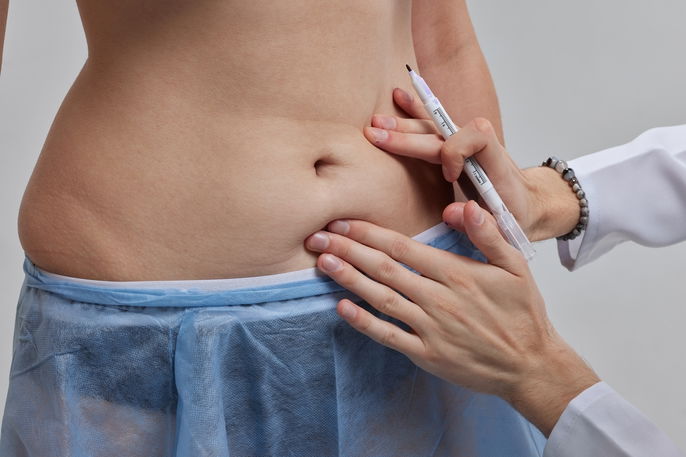
- Marking the areas of the body where fat will be removed and injected
- Administering local anesthesia and/or sedation
- Making a small incision in the skin and inserting a thin cannula connected to a syringe
- Removing fat through liposuction from the donor area, such as the thighs, back, or abdomen
- Processing the fat manually or with the help of machines to separate debris, excess fluid, and dead cells from the fat cells
- Injecting the fat into the treatment area using a needle or cannula
The entire procedure is performed under local anesthesia, with or without sedation, and should not cause pain or discomfort.
After surgery, most people only need to stay in the hospital for a few hours, although in some cases it may extend to 2 or 3 days.
Recovery time
Recovery from fat transfer is usually quick. Mild pain or discomfort, swelling, and bruising are common and typically go away within 3 to 4 weeks.
In the first few days of recovery, the doctor may recommend pain relievers to help manage pain and discomfort.
It is also recommended to rest, avoid physical effort during the first month of recovery, drink plenty of water, and maintain a healthy, balanced diet to support healing.
Possible complications
Possible complications of fat transfer include:
-
Not achieving the desired result, which may require another graft to complete the correction
-
Accidental damage to nerves and blood vessels
-
Bleeding due to the use of needles to inject fat
-
Lumps under the skin due to cell death, especially when too much fat is injected into the area
In addition, fat transfer can also cause infection and scarring in the treated area. According to the American Society of Plastic Surgeons, other risks reported with fat grafting include fat necrosis, oil cysts, graft volume loss, and, in breast procedures, cysts and microcalcifications.