


- Epididymitis is inflammation of the epididymis that can cause scrotal pain, swelling, and redness, often linked to infections or trauma.
- Diagnosis usually involves a urologist’s exam and tests like urine analysis or ultrasound to identify the cause.
- Treatment may include antibiotics, pain relievers, rest, and in rare cases, surgery when structural issues are involved.
Epididymitis is an inflammation of the epididymis, a small coiled tube that connects the vas deferens to the testicle and stores sperm produced by the testes. This condition often causes scrotal swelling and pain in the genital area, especially when walking or moving. It can result from a chronic infection, a sexually transmitted infection (STI), an anatomical abnormality, or testicular torsion.
Because several conditions can cause similar symptoms, it’s important to see a urologist for an accurate diagnosis. The doctor will assess the underlying cause and recommend the most appropriate treatment. Depending on the situation, management may involve antibiotics, anti-inflammatory medications, and measures to relieve pain and discomfort.
With proper treatment, symptoms usually improve within about two weeks, although full recovery can sometimes take up to three months. In rare cases, when inflammation is not due to an infection but rather an anatomical issue, surgery may be necessary.
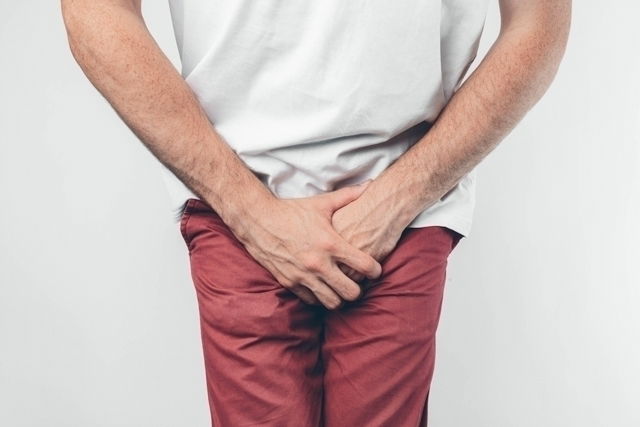
Main symptoms
The most common symptoms of epididymitis include:
-
Persistent low-grade fever
-
Chills
-
Intense pain in the scrotum or pelvic area
-
A feeling of pressure in the testicles
-
Redness and swelling of the scrotum
-
Swollen lymph nodes in the groin
-
Pain during sex or urination
-
Blood in the semen
Symptoms often start mildly but can worsen over time, sometimes making it difficult to move because of severe pain. If you notice testicular pain, swelling, or other symptoms, it’s important to see a urologist to identify the cause and start treatment early.
Confirming a diagnosis
Diagnosis is usually made by a urologist through a physical exam that includes observation and gentle palpation of the genital area. The doctor may also request additional tests, such as a urine analysis, Doppler ultrasound, CT scan, or MRI, to confirm the diagnosis and identify the underlying cause of the inflammation.
Causes of epididymitis
Epididymitis can be caused by a variety of conditions, including:
-
Sexually transmitted infections (like chlamydia or gonorrhea)
-
Tuberculosis
-
Prostatitis (inflammation of the prostate)
-
Urinary tract infection
-
Trauma to the genital area
-
Testicular torsion
-
Anatomical abnormalities of the testicle
While it’s most common in teenagers and adults, epididymitis can also occur in children. A medical evaluation is essential to determine the cause and guide the right treatment.
Treatment options
Treatment for epididymitis depends on the cause and the severity of symptoms. When caused by a bacterial infection, doctors typically prescribe antibiotics such as doxycycline, ciprofloxacin, or ceftriaxone. These medications must be taken as directed, even if symptoms improve before finishing the course.
To help relieve pain and swelling, rest is recommended, along with avoiding heavy lifting and applying ice packs to the scrotum. The urologist may also prescribe pain relievers or anti-inflammatory drugs, such as ibuprofen or acetaminophen, to improve comfort during recovery.
Most people notice significant improvement within about two weeks, though full recovery can take longer in some cases. If the condition is linked to anatomical abnormalities rather than infection, surgery may be needed to correct the underlying issue.