


An endoscopy is a common medical procedure used to examine the lining of your esophagus, stomach, and duodenum. It helps doctors investigate symptoms like persistent stomach pain, heartburn, acid reflux, or unexplained gastrointestinal bleeding.
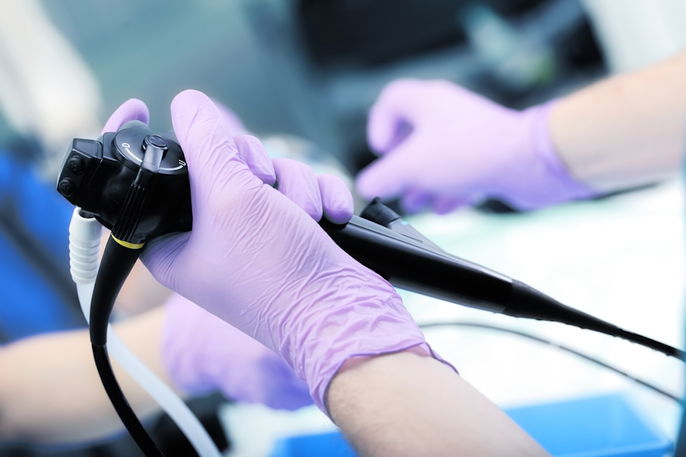
Often referred to as an upper GI endoscopy, the procedure involves inserting a thin, flexible tube called an endoscope through the mouth. This device allows your physician to diagnose conditions such as gastritis, ulcers, or even early signs of gastric cancer.
Most health insurance plans cover this procedure when it is medically necessary for diagnostic purposes. Results are typically reviewed by a primary care physician or a gastroenterologist to determine the best course of treatment.
What it is for
An upper GI endoscopy is recommended to diagnose several conditions affecting the digestive tract, including:
-
Gastritis;
-
Gastric or duodenal ulcers;
-
Esophageal varices;
-
Polyps;
-
Hiatal hernia;
-
Gastroesophageal reflux disease (GERD);
-
Celiac disease;
-
Esophagitis;
-
Esophageal narrowing (strictures);
-
Tumors or cancer of the esophagus, stomach, or duodenum.
Additionally, this procedure is often used to detect the presence of Helicobacter pylori (H. pylori), a type of bacteria known to cause stomach ulcers.
How the exam is done
During the procedure, you will typically lie on your side. A local anesthetic is sprayed into the throat to numbing the area, which helps the endoscope slide down more easily and reduces discomfort. Because of this numbing agent, the exam is generally not painful, though sedatives are often provided to help you stay relaxed or sleep through the process.
A small plastic bite block is placed in your mouth to keep it open and protect your teeth during the procedure. To get a clearer view of the digestive lining, the doctor will gently pump a small amount of air through the endoscope, which may cause a temporary feeling of fullness or bloating.
The doctor can record images during the exam for further review. In some cases, they may also remove polyps or apply specialized medication directly to a specific area during the same session.
If necessary, the doctor will perform a biopsy by taking a small tissue sample. This sample is sent to a lab to help diagnose serious issues, such as H. pylori infections or cancerous cells.
How long it lasts
The procedure itself usually takes about 30 minutes to complete. However, you should plan to stay at the clinic for an additional 30 to 60 minutes for observation while the sedative or anesthetic wears off.
It is normal for your throat to feel slightly sore or numb afterward. You might also feel some gas or bloating because of the air used during the examination.
If you received sedation, you must not drive or operate heavy machinery for the rest of the day. The medication can temporarily impair your judgment and slow your physical reflexes.
How to prepare
To ensure the best results and patient safety, follow these preparation steps:
-
Fast completely (no food or drink) for 8 to 12 hours before the appointment;
-
Avoid taking antacids, such as cimetidine or omeprazole, as they can mask findings during the exam;
-
Notify your doctor if you take blood thinners or anticoagulants, such as warfarin, heparin, rivaroxaban, or aspirin, as you may need to pause these a few days prior;
-
You may drink small sips of water up to 4 hours before the procedure, but avoid drinking large amounts to keep the stomach clear.
Potential risks
Complications from an endoscopy are very rare. They are more likely to occur during longer procedures, such as those involving the removal of large polyps.
Most risks are related to potential allergic reactions to the sedative or pre-existing heart and lung conditions. In very rare cases, a tear in the intestinal lining (perforation) or internal bleeding may occur.
Contact your doctor or go to the emergency room immediately if you experience fever, severe abdominal pain, difficulty swallowing, vomiting, or dark, bloody stools following the procedure.