


- Severe menstrual cramps or persistent abdominal pain may signal worsening endometriosis.
- Pain during or after sex can be a warning sign linked to endometriosis.
- Symptoms that worsen during certain phases of the menstrual cycle may indicate endometriosis flare-ups.
Endometriosis self-care can include regular physical activity, a diet rich in omega-3 foods, warm compresses on the abdomen, and pain relievers recommended by a healthcare provider. These measures may help reduce pain and improve day-to-day comfort.
Tracking your menstrual cycle on a calendar can also help you notice when your symptoms get worse or better. This can make it easier to connect symptom changes with daily habits.
Endometriosis is a condition in which tissue similar to the uterine lining grows outside the uterus. It can cause symptoms such as abdominal pain, severe cramps, and pain or discomfort during or after sex.
Tips for symptom relief
Some tips and strategies that may help you manage endometriosis and reduce pain and discomfort include:
1. Exercise
Light physical activity, such as walking, can support endometriosis self-care by helping to reduce estrogen levels, a hormone that plays a key role in the menstrual cycle.
Relaxation-based activities such as yoga and Pilates may also help reduce pain.
2. Taking medicine for pain and cramps
Pain relievers and anti-inflammatory medicines, such as ibuprofen or naproxen, may help relieve the pain and discomfort caused by endometriosis and make symptom flare-ups easier to manage.
Also recommended: Medicine For Cramps: What to Take To Relieve Period Cramps tuasaude.com/en/medicine-for-crampsAccording to the American College of Obstetricians and Gynecologists (ACOG), pain relievers such as ibuprofen may help ease menstrual cramps, and hormonal treatment such as birth control pills or hormonal IUDs may also lessen pain.
3. Eating a diet rich in omega-3
Eating more omega-3 foods, such as salmon, sardines, tuna, flaxseed, chia seeds, and nuts like walnuts and peanuts, may help naturally reduce prostaglandin production, which can help lower inflammation.
It is also best to avoid coffee and other caffeinated drinks, such as some teas and soft drinks, because caffeine may make pain worse for some people.
4. Using hormonal birth control
Birth control may help regulate and reduce menstrual flow, which can help limit the growth of endometriosis-related tissue and reduce how often pain happens and how intense it feels.
Based on ACOG guidance, hormonal methods used for menstrual suppression, including birth control pills and hormonal IUDs, are established options that can help reduce menstrual pain.
5. Applying warm compresses
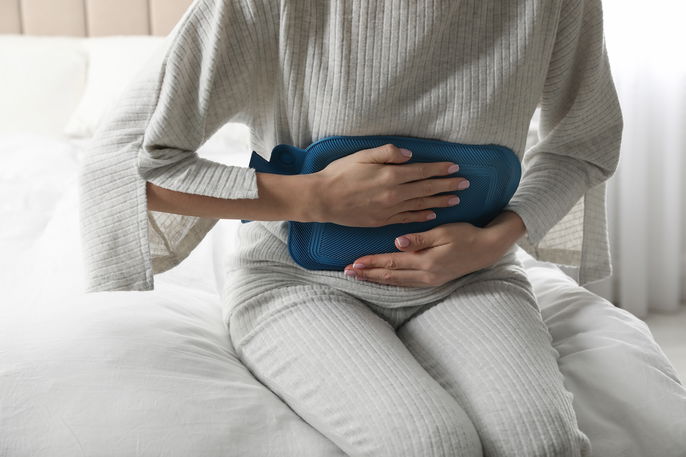
Using warm compresses, a warm damp towel, or a hot water bottle on the abdomen may help reduce menstrual cramps, low back pain, and discomfort caused by endometriosis.
A warm bath may also help relax the muscles in the pelvic area and ease pain.
6. Using acupressure
Acupressure is an alternative therapy that may help relieve some types of pain by applying pressure to specific points on the body. For pain relief, one point on the inner leg, about 2 inches above the ankle, can be pressed for about 1 minute with enough pressure to make the tip of the thumbnail turn white.
Another acupressure point that may be pressed for pain relief is located on the hand, in the middle area between the thumb and index finger.
7. Use a personal lubricant
Some women with endometriosis may have pain or difficulty during sex, so it may help to try positions that feel more comfortable and cause less pain.
Using a lubricant may also help reduce pain and discomfort during sex (dyspareunia). If pregnancy is the goal, a fertility-friendly lubricant such as Conceive Plus may be considered.