


- Edema is swelling caused by fluid buildup and can affect the limbs, face, entire body, or organs such as the lungs and brain.
- Common causes include excess salt intake, heart or kidney disease, pregnancy, venous problems, and certain medications.
- Sudden swelling, severe pain, shortness of breath, chest pain, fainting, or swelling of the face or throat requires urgent medical attention.
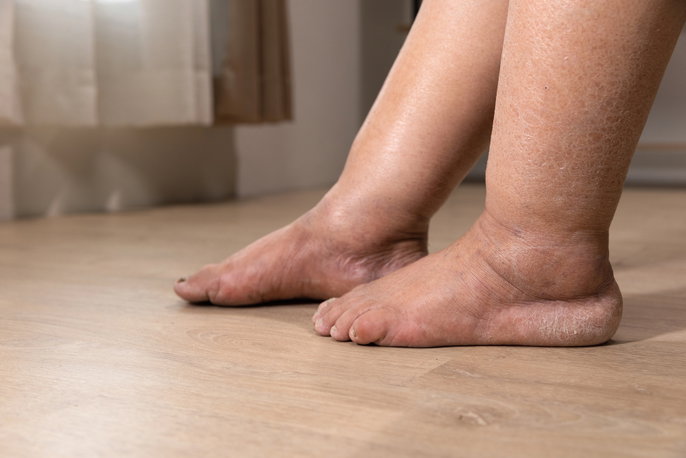
Edema is swelling caused by a buildup of fluid in the body’s tissues. It can affect the feet, legs, or arms and may cause stretched, shiny skin or a feeling of heaviness in the affected area.
Edema can also affect the entire body or occur in organs such as the brain or lungs. Possible causes include excessive salt intake, infections, hypoxia, and conditions affecting the kidneys, heart, or lymphatic system.
Treatment for edema depends on the type of swelling and its underlying cause. A cardiologist, vascular specialist, or primary care provider may recommend elevating the affected limb, reducing salt intake, or prescribing diuretics when appropriate.
Signs and symptoms
The main signs and symptoms of edema include:
-
Swelling in the legs, feet, ankles, hands, or arms
-
Stretched, shiny skin
-
A feeling of heaviness in the legs or arms
-
An indentation that remains after pressing on the swollen area
-
Swelling in the abdomen, around the eyes, in the face, or throughout the body
Other symptoms may include difficulty walking, stiffness in the affected limb, or a higher risk of infection in the swollen area.
When to see a doctor
You should see a healthcare provider if you develop unexplained edema, especially if the swelling persists or gets worse. A healthcare provider can identify the cause of the swelling and recommend the most appropriate treatment.
Seek urgent medical care if the swelling develops suddenly, affects only one leg, or is accompanied by severe pain. Call 911 or seek emergency care for swelling with shortness of breath, chest pain, fainting, or swelling of the face or throat that affects breathing.
Is edema dangerous?
Edema can be dangerous when it affects organs such as the lungs or brain, or when swelling occurs in the throat and blocks the airway.
In these cases, symptoms may include difficulty breathing, confusion, or a feeling of a lump or tightness in the throat.
If any of these symptoms occur, immediate medical attention is needed, as these conditions can be life-threatening if not treated quickly.
Confirming a diagnosis
Edema is diagnosed based on symptoms, medical history, and a physical exam. A primary care provider may refer to a cardiologist or vascular specialist depending on the suspected cause.
Additional tests may include blood and urine tests, an electrocardiogram (ECG), echocardiogram, X-ray, Doppler ultrasound, MRI, or CT scan, depending on the suspected cause of the swelling.
How it develops
Edema can develop when fluid moves out of the blood vessels and builds up in the tissues. The main mechanisms include:
What causes edema
The main causes of edema include:
-
Excessive salt intake
-
Sitting for long periods
-
Severe malnutrition or low blood protein levels
-
Pregnancy, PMS, or menopause
-
Congestive heart failure or constrictive pericarditis
-
Nephrotic syndrome or kidney or liver disease
-
Deep vein thrombosis (DVT)
Edema can also be caused by allergic reactions, brain tumors, stroke, venous insufficiency, severe burns, infections, or hypothyroidism.
Other possible causes include vasodilator medications, corticosteroids, nonsteroidal anti-inflammatory drugs (NSAIDs), cancer affecting the lymph nodes, or surgery to remove lymph nodes.
Main types
The main types of edema are:
1. Peripheral edema
Peripheral edema is swelling that affects the feet, ankles, legs, hands, or arms.
This type of edema may be caused by sitting for long periods, pregnancy, excessive salt intake, certain medications, or venous insufficiency.
2. Pulmonary edema
Pulmonary edema is a buildup of fluid in the lungs that interferes with gas exchange and reduces oxygen delivery throughout the body.
This type of edema may be caused by poorly controlled heart failure, lung infections, brain injury, or sudden changes in altitude.
3. Cerebral edema
Cerebral edema is swelling in the brain caused by fluid buildup. It is usually associated with head injuries or trauma, ischemic stroke, infections, or brain tumors.
This swelling increases pressure inside the skull and may cause symptoms such as headache, nausea, vomiting, dizziness, numbness, confusion, or problems with motor coordination.
4. Laryngeal edema
Laryngeal edema is swelling in the throat that can narrow or block the airway, making it difficult to breathe.
This type of edema may occur during a severe allergic reaction and can develop suddenly, sometimes within minutes of exposure to an allergen.
5. Bone marrow edema
Bone marrow edema is a buildup of fluid within the bone marrow.
It can be caused by trauma or other bone and joint conditions and may cause mild to severe pain in the affected area.
6. Periorbital edema
Periorbital edema is swelling around the eyes. It may be caused by allergies, excessive salt intake, insomnia, or heart or kidney disease.
7. Reinke’s edema
Reinke’s edema, also known as vocal cord edema, is a buildup of fluid in Reinke’s space, which is located in the larynx.
This type of edema is more common in people who smoke, have gastroesophageal reflux disease (GERD), or use their voice excessively.
8. Interspinous ligament edema
Interspinous ligament edema is swelling in the ligaments between the bones of the spine.
It may occur with spinal injuries, strain, or degenerative changes and can be associated with back pain.
9. Generalized edema
Generalized edema affects multiple areas of the body and can be a sign of a more serious underlying condition that requires medical evaluation.
Severe generalized edema, also known as anasarca, is commonly associated with conditions such as cirrhosis, heart failure, or nephrotic syndrome.
10. Lymphedema
Lymphedema typically involves an accumulation of water, proteins, and lipids in the tissues. According to the CDC, lymphedema occurs when lymph fluid cannot drain properly and builds up in the tissues.
It can develop after cancer, lymph node removal, or radiation treatment and may also occur with conditions that block lymphatic drainage, such as elephantiasis.
11. Myxedema
Myxedema is a type of firm, nonpitting swelling caused by the buildup of certain substances in the skin and tissues.
It most commonly affects the face and can cause puffiness around the eyes, although swelling may also occur in other parts of the body.
Myxedema is mainly associated with severe or longstanding hypothyroidism.
How to treat edema
Treatment for edema depends on the underlying cause and should be guided by a healthcare provider.
For mild swelling, measures such as elevating the affected area and reducing salt intake may help. Treatment may also include addressing the condition causing the swelling.
In cases of fluid retention caused by conditions such as heart, kidney, or liver disease, diuretics may be prescribed when appropriate. According to the American Heart Association, these medications help the body remove excess fluid and sodium and can reduce fluid buildup associated with heart failure.
How to prevent edema
Some ways to help prevent edema, reduce swelling, and lower the risk of it coming back include:
-
Reducing salt intake
-
Maintaining a healthy weight
-
Exercising regularly
-
Elevating the legs above heart level when sitting or lying down
These measures may be appropriate for people who do not have a chronic health condition.
People with an underlying health condition should talk to the healthcare provider managing their condition before making these changes.
