


Dry socket is a painful dental condition that can happen after a tooth is removed. It occurs when the blood clot that normally protects the empty tooth socket breaks down, moves out of place, or does not form properly.
This can leave the bone and nerves in the socket exposed, which may cause strong pain a few days after the extraction. The pain can spread to the ear, eye, temple, or neck on the same side of the face.
Treatment is usually done by a dentist and focuses on cleaning the socket, protecting the area, and relieving pain. Dry socket is not contagious, but some habits and factors, such as smoking, poor oral hygiene, surgical trauma, and not following aftercare instructions, can increase the risk.
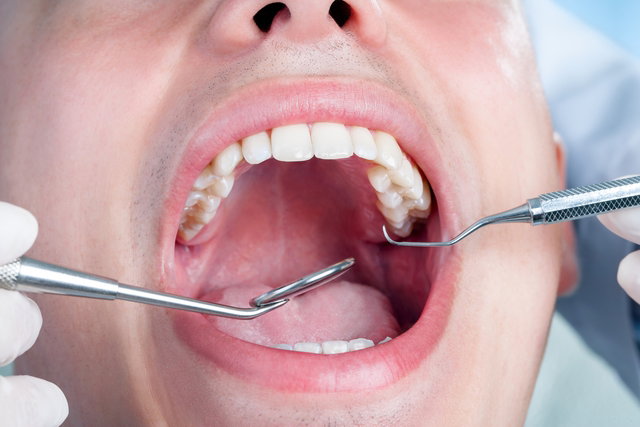
Main symptoms
The main symptom of dry socket is severe pain that starts or gets worse a few days after a tooth extraction.
Common symptoms include:
-
Strong pain 1 to 3 days after a tooth is removed
-
Pain that spreads to the ear, eye, temple, or neck
-
An empty-looking socket
-
Visible bone inside the socket
-
Bad breath
-
Bad taste in the mouth
-
Pain that does not improve with regular pain medicine
These symptoms should be checked by a dentist, especially when pain becomes more intense after the first few days instead of slowly improving.
Common causes
Dry socket is caused by:
1. Blood clot breakdown
After a tooth is removed, a blood clot normally forms inside the empty socket. This clot works like a natural covering and helps protect the bone as healing begins.
In dry socket, the clot may dissolve too early or become dislodged. When this happens, the bone and nerves are exposed, which can cause severe pain and slow healing.
2. Surgical trauma
More difficult extractions, especially those involving lower molars or wisdom teeth, may increase the risk of dry socket. This can happen when the tissue or bone around the tooth is more affected during the procedure.
Surgical trauma can make the socket more inflamed and may interfere with normal clot formation. The risk can also be higher when the extraction is complex or takes longer than usual.
3. Smoking
Smoking is a known risk factor for dry socket. The sucking motion used when smoking may disturb the blood clot, and tobacco can also affect healing in the mouth.
Smoking after a tooth extraction can make it harder for the socket to heal normally. Avoiding smoking after the procedure can help lower the risk.
4. Poor oral hygiene
Poor oral hygiene may increase the risk of dry socket because bacteria in the mouth can interfere with healing. Bacterial contamination is one of the factors that may contribute to clot breakdown.
Keeping the mouth clean after an extraction is important, but this should be done gently. Vigorous rinsing or aggressive brushing near the socket can disturb the clot.
Confirming a diagnosis
Dry socket is usually diagnosed by a dentist based on symptoms and an examination of the extraction site. The dentist will look for severe pain that begins a few days after the extraction, an empty socket, loss of the blood clot, or visible bone.
A diagnosis is more likely when pain worsens instead of improving after the first 24 to 72 hours. Bad breath, a bad taste in the mouth, and pain that spreads to nearby areas can also support the diagnosis.
Tests are not usually needed to confirm dry socket. However, the dentist may check for other problems, such as infection, a retained tooth fragment, or another cause of pain.
Treatment options
Treatment for dry socket is done to reduce pain, protect the socket, and support healing. It does not usually involve closing the socket, because healing happens gradually from the inside out.
1. Socket cleaning
The dentist may gently rinse the socket to remove food particles, debris, or bacteria. This can help reduce irritation and make the area more comfortable.
Cleaning should be done carefully to avoid causing more trauma. People should not try to clean deep inside the socket at home unless specifically instructed by a dentist.
2. Medicated dressing
A dentist may place a medicated dressing inside the socket. This dressing can help protect the exposed bone and relieve pain.
The dressing may need to be changed, depending on the type used and the person’s symptoms. Follow-up visits may be needed until the pain improves.
3. Pain medicine
Pain relief is an important part of dry socket treatment. A dentist may recommend or prescribe pain medicine depending on how severe the pain is.
Pain medicine helps control discomfort while the socket heals. Antibiotics are not always needed unless there are signs of infection or another reason for their use.
4. Antiseptic rinses or gels
Some treatments may include antiseptic rinses or gels, such as chlorhexidine, to reduce bacteria in the mouth. These products may also be used in some cases to help prevent dry socket after extraction.
Rinses should be used only as recommended by a dentist. Strong rinsing too soon after an extraction can disturb the blood clot and increase the risk of dry socket.
Prevention measures
Dry socket cannot always be prevented, but some steps can lower the risk after a tooth extraction. Prevention focuses on protecting the blood clot and supporting normal healing.
Ways to help prevent dry socket include:
-
Avoiding smoking after a tooth extraction
-
Avoiding drinking through a straw
-
Avoiding vigorous rinsing or spitting soon after the procedure
-
Following all aftercare instructions from the dentist
-
Keeping the mouth clean as instructed
-
Avoiding touching the socket with fingers or the tongue
-
Returning for follow-up care if pain worsens
Dentists may also use preventive measures in some cases, such as gentle surgical technique, sutures, medicated dressings, or chlorhexidine rinses or gels.
When to see a dentist
A dentist should be contacted if severe pain starts or worsens 1 to 3 days after a tooth extraction. Dental care is also important if the socket looks empty, bone is visible, or there is a bad taste or bad breath.
Pain that spreads to the ear, eye, temple, or neck may also be a sign of dry socket. Early treatment can help relieve pain and protect the socket while it heals.
Urgent care may be needed if there is fever, swelling that gets worse, pus, difficulty swallowing, or trouble breathing. These symptoms may suggest a more serious problem and should be assessed promptly.