


Down syndrome treatment may include physical therapy, occupational therapy, speech therapy, and school support, depending on each person’s needs. Regular medical follow-up is also important.
Down syndrome is a genetic condition and does not have a cure. However, treatment can help children develop physical and intellectual skills, especially when started early.
If Down syndrome is diagnosed before birth, care is usually guided by an obstetrician or maternal-fetal medicine specialist. After birth, a pediatrician will help coordinate care with specialists based on the child’s needs as they grow.
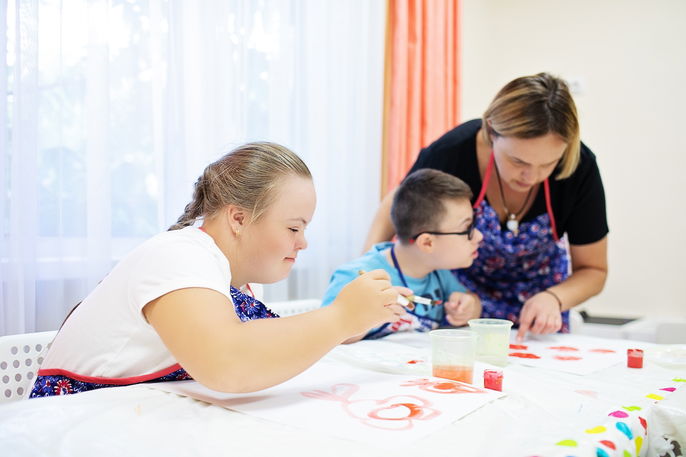
Main care options
The main support and care options for Down syndrome include:
1. Regular medical follow-up
People with Down syndrome have a higher risk of respiratory problems, heart problems, intellectual disability, hypothyroidism, obstructive sleep apnea, epilepsy, and vision or hearing problems, for example.
According to the American Academy of Pediatrics, children and adolescents with Down syndrome should receive regular health supervision to monitor for associated conditions and support referrals to specialists when needed.
For this reason, regular follow-up with a pediatrician is important throughout childhood and adolescence. The pediatrician can help coordinate care based on each child’s specific needs.
2. Physical therapy
According to the CDC, early intervention may include physical therapy, speech therapy, and other services based on the child’s and family’s needs.
Physical therapy for children with Down syndrome involves activities and exercises that help increase muscle strength and improve posture and balance. This can support motor development.
3. Occupational therapy
Occupational therapy can help people with Down syndrome develop important skills for independence, such as getting dressed, using the bathroom, brushing their teeth, and using utensils or a phone.
4. Speech therapy
Children with Down syndrome often have difficulty with language development. For this reason, follow-up with a speech therapist is important to help support communication.
5. Mental health support
Therapy can help people with Down syndrome cope better with challenges related to behavioral problems, depression, or anxiety, for example.
6. School support
Children with Down syndrome often experience learning difficulties. School support may include adapted tasks and materials, as well as access to resource rooms or specialized educational support.
7. Eye glasses
Because children with Down syndrome have a higher risk of vision problems such as nearsightedness (myopia), farsightedness (hyperopia), or astigmatism, some may need to wear glasses.
It is important for these problems to be identified early. For this reason, follow-up with an ophthalmologist (eye doctor) every 1 to 2 years is usually recommended.
8. Hearing aids
Hearing problems are common in children with Down syndrome. Hearing aids may be recommended in some cases to support language development, socialization, and learning.
In addition to hearing aids, cochlear implants may also be an option to correct hearing loss in some cases of Down syndrome.