


Death cap mushrooms are extremely poisonous wild mushrooms known for causing severe and sometimes fatal poisoning. They are scientifically named Amanita phalloides and are responsible for most mushroom-related deaths worldwide.
These mushrooms grow naturally in many parts of the United States, especially near oak and other hardwood trees. This article explains what death cap mushrooms are, why they are dangerous, how poisoning happens, and why they have no safe or approved uses.
The sections below cover the lack of health benefits, known types, risks linked to exposure, possible side effects, and situations where contact or ingestion is especially dangerous.
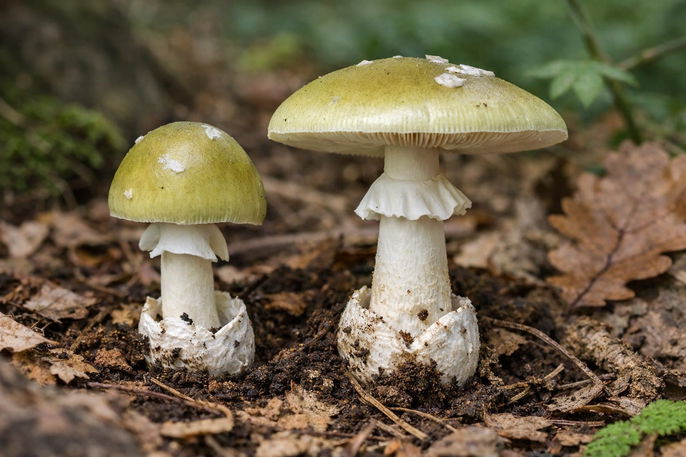
How to identify
Death cap mushrooms closely resemble some edible species, which makes identification difficult even for experienced foragers. The features below are commonly used to recognize them, but visual identification alone is not reliable.
Several edible mushrooms can look similar to death caps, especially when young. Because visual identification is unreliable and mistakes are frequent, public health agencies strongly advise against eating any wild mushroom unless identified by a trained expert.
Can I consume death cap mushrooms?
There are no proven health benefits associated with death cap mushrooms. Scientific and medical sources consistently show that they are highly toxic and unsafe for consumption in any form.
Death cap mushrooms are not approved for medical, nutritional, or herbal use. There is no evidence that eating or preparing them provides any health benefit, even in small amounts.
Some research has explored isolated toxins from Amanita phalloides for laboratory cancer studies. These studies use purified compounds under strict conditions and do not support using the mushroom itself for health purposes.
Effects on health if consumed
Consuming death cap mushrooms causes severe poisoning that can progress rapidly and become life-threatening. The toxins affect multiple organs, especially the liver and kidneys, and symptoms often worsen over time even if early signs seem mild.
1. Early digestive symptoms
Within 6 to 24 hours after ingestion, symptoms usually begin with nausea, vomiting, stomach pain, and severe diarrhea. These symptoms can lead to dehydration and electrolyte imbalances.
2. Temporary improvement phase
After the initial digestive symptoms, some people experience a short period where they feel better. This phase can be misleading, as serious internal damage is continuing even when symptoms decrease.
3. Liver damage and failure
The toxins in death cap mushrooms block essential processes inside liver cells, leading to rapid cell death. This can cause acute liver failure, jaundice, bleeding problems, confusion, and coma.
4. Kidney injury
Kidney damage may occur alongside liver injury or develop later. Reduced urine output and toxin buildup in the blood can further worsen the condition.
5. Risk of death and transplantation
Severe poisoning can result in death, even with medical treatment. In critical cases, emergency liver transplantation may be the only life-saving option.
Some people who survive the initial poisoning may have long-term liver or kidney problems. Recovery can take weeks to months and requires close medical follow-up.
Contraindications
Death cap mushrooms are contraindicated for all people without exception. No amount is considered safe for adults or children.
People who forage wild mushrooms face higher risk due to frequent confusion with edible species. Pregnant individuals, children, and people with liver disease are especially vulnerable to severe outcomes.
Any suspected exposure is a medical emergency and requires immediate hospital care