


- Damaged hair can become dry, dull, brittle, and more likely to break due to chemical treatments, heat styling, and daily exposure to damage.
- Using the right products for your hair type and rotating hydration, nourishment, and deeper repair treatments can help improve damaged hair.
- Gentle washing, less heat styling, and a balanced diet with enough protein, vitamins, minerals, and water can support healthier, stronger hair.
Damaged hair can happen from everyday exposure to chemical treatments, brushing, flat irons, blow dryers, and even air pollution. Over time, this can leave hair dry, dull, brittle, and more likely to break.
To improve damaged hair, it helps to use products that match your hair type and combine treatments that hydrate, nourish, and strengthen the hair fiber. In some cases, deeper repair treatments and a structured hair care routine may also help.
Daily habits also make a difference. Gentle washing, less heat styling, and a nutrient-rich diet can support stronger, healthier-looking hair.
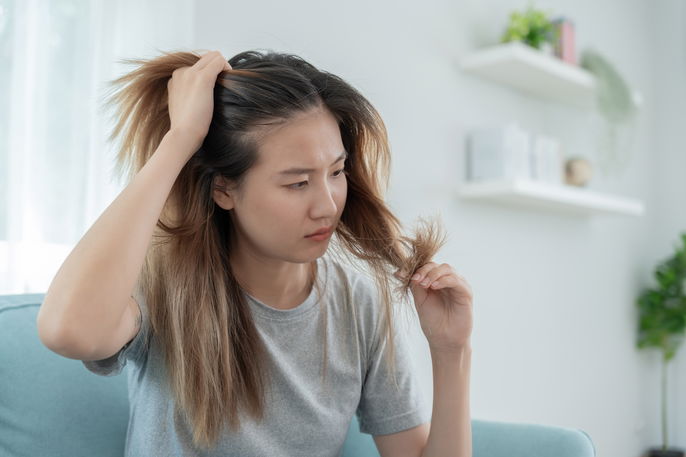
Some tips to repair damaged hair include:
1. Choosing the right product
It is important to use products (shampoo, conditioner, and hair masks) that meet the specific needs of your hair type, such as:
-
Coily hair: This hair type tends to be drier because natural oils have a harder time reaching the ends, and the strands are often finer. Products with moisturizing ingredients, such as keratin, elastin, or quinoa, are often recommended.
-
Curly hair: Hydrating masks are usually recommended, especially those with panthenol, shea butter, and oils such as olive oil or argan oil.
-
Chemically treated hair: Hair that has gone through straightening or similar treatments should use products made to help restore the strands and support repair. Silicone-based products and heat protectants are also recommended before using a flat iron or blow dryer.
-
Bleached hair: Hair that has been lightened or highlighted often becomes more damaged, so moisturizing and reconstructive products are recommended, preferably products made for blonde hair, such as chamomile-based formulas or products that help reduce yellowing.
People with hair that’s been damaged by frequent blow-drying or flat ironing should use products that provide both moisture and repair. It’s also important to apply a heat protectant every time before using hot tools.
2. Hydrating the hair
Hydration is an essential treatment for hair that feels dry, rough, or looks dull. Its main purpose is to restore moisture to the strands, helping the cuticle lie flat so hair feels softer and is easier to manage.
Hydrating masks usually contain ingredients that attract water into the hair fiber, such as glycerin, panthenol, or plant butters.
Hydration is ideal for hair that has been damaged by blow dryers, sun exposure, wind, or frequent washing, but has not yet lost much of its internal structure.
Hydration should be done once or twice a week for people who wash their hair up to three times a week. People who wash their hair every day can add one more hydration day to their routine.
There are also homemade hair mask recipes that may be used, such as avocado with honey or carrot and almond masks.
3. Nourishing the hair
Nourishing the hair helps replace the natural oils it loses from damage caused by chemical processes and heat.
These oils are important for maintaining elasticity and reducing frizz. Coconut oil, argan oil, and shea butter can help seal the cuticle and protect the hair from breakage.
This step is usually done once a week. In cases of very damaged hair, it can be done up to twice a week or alternated with other treatments every 2 weeks.
4. Getting a deep protein (keratin) treatment
A deep protein treatment is a more intensive option for hair that is damaged, brittle, weak, or has raised cuticles.
This type of treatment usually uses keratin together with heat, such as from a blow dryer or flat iron, to help smooth the cuticle and support repair within the hair strand.
A deep protein treatment can reduce frizz, improve shine, and make hair feel softer while also helping strengthen the hair fiber. Unlike hydration, this treatment works more deeply within the hair strand and not only on the surface.
However, it should only be used when the hair truly needs repair, because overuse can leave the hair feeling stiff, especially if it is not severely damaged.
This treatment can also be done at home using specific kits sold in pharmacies, drugstores, or beauty supply stores, along with a blow dryer and flat iron.
5. Following a hair care schedule
A hair care schedule is a routine designed to help repair damaged hair.
It involves rotating treatments (hydration, nourishment, and protein or repair treatments) over a period that can last up to six months.
6. Being gentle when washing your hair
When washing your hair, keep these tips in mind:
-
Wash it gently, avoiding pulling or rubbing the strands too hard, as this can cause breakage.
-
Try to wash your hair during the day, since going to bed with a wet scalp can increase moisture, which may lead to dandruff and more fragile strands.
-
Use warm or cool water, since very hot water can strip away the natural oils that protect your hair, leaving it weaker and more prone to breakage.
It is also recommended to gently massage the scalp with your fingertips to stimulate circulation. According to the American Academy of Dermatology Association, hair should be dried gently by pressing or wrapping it with a towel instead of rubbing, which can damage the strands.
7. Doing hair oiling
Hair oiling is recommended for damaged hair, especially when it looks dull or breaks easily. It can help strengthen the hair fiber, reduce frizz, and improve shine and softness.
This treatment involves applying pure plant oils, such as coconut, argan, castor, or avocado oil, to the hair, leaving them on for a few hours or overnight, and then washing the hair as usual.
It is also possible to add a few drops of a pure, 100% natural oil to a hair mask to boost hydration, or apply a small amount to the ends as a finishing product.
Also recommended: DIY Hair Masks: 10 Homemade Recipes with Natural Ingredients tuasaude.com/en/diy-hair-mask8. Avoiding flat irons and blow dryers
According to the American Academy of Dermatology Association, excessive heat can damage any hair type, and limiting blow-drying and the use of tools such as flat irons can help reduce damage.
If avoiding them is not possible, it is better to use a blow dryer at a distance of about 12 inches from the hair. Flat irons should preferably be ceramic, since they control temperature better.
9. Eating a balanced diet
A balanced diet is essential for repairing damaged hair, and should include:
-
Protein, found in meat, milk, and eggs
-
Omega-3 fats, found in salmon, sardines, chia seeds, and flaxseed
-
Vitamin A, found in carrots, sweet potatoes, pumpkin, and spinach
-
Iron and zinc, found in nuts, seeds, leafy green vegetables, and legumes
Hydration is also essential for hair health because it helps restore water and natural moisture to the strands. Without enough water intake, hair can become dry, brittle, and more likely to be damaged.