


Cysteine is a non-essential amino acid produced naturally by the human body. It plays a vital role in the formation of collagen and keratin, which are proteins essential for maintaining healthy skin, nails, and hair.
In addition to structural support, cysteine is a key building block for glutathione production. This powerful antioxidant helps the body combat free radicals and may reduce the risk of cardiovascular disease.
The body typically synthesizes cysteine from another amino acid called methionine, which is found in common foods like cheese, poultry, and eggs. Cysteine is also available as a dietary supplement in various forms, including capsules and powders.
What cysteine is used for
Cysteine serves several important functions in the body:
1. Prevents premature aging
Because it helps produce collagen, the protein responsible for skin firmness and elasticity, cysteine can help prevent the early signs of aging.
2. Acts as an antioxidant
Cysteine is a necessary precursor for the production of glutathione, one of the most potent antioxidants in the body.
By neutralizing free radicals, cysteine helps protect cells from damage caused by environmental factors like pollution and radiation.
3. Supports nail and hair health
Cysteine is a primary component of beta-keratin. This is the main structural protein found in the nails and hair, helping them stay strong and healthy.
4. Helps lower the risk of heart disease
When the body converts cysteine into glutathione, it helps maintain the health of the arteries. This process can lead to a reduced risk of developing heart disease.
N-acetylcysteine (NAC)
N-acetylcysteine, commonly known as NAC, is a sulfur-containing derivative of cysteine and is the standard form used in dietary supplements.
This specific form is also utilized in medical settings. Doctors may recommend it as a mucolytic agent to help thin mucus and relieve a productive cough in patients with conditions like bronchitis, pneumonia, or emphysema.
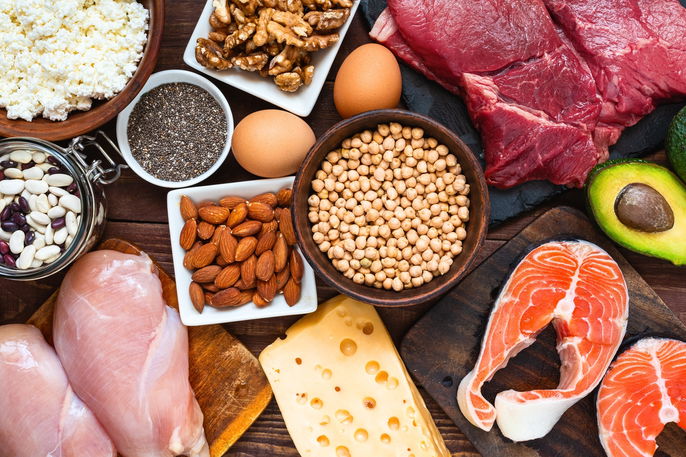
Food with cysteine
The best way to ensure adequate cysteine levels is to consume foods rich in methionine, such as:
-
Cheese
-
Eggs
-
Chicken, beef, pork, and fish
-
Cashews
-
Brazil nuts
-
Walnuts
-
Beans
-
Soy
-
Sunflower seeds
A balanced and diverse diet generally provides the body with the necessary amount of cysteine it needs to function properly.
Cysteine supplements
Cysteine supplements are most commonly sold as N-acetylcysteine (NAC). These are widely available in capsule, tablet, and powder formats.
For most healthy individuals, supplementation is unnecessary because the body produces its own supply from methionine found in protein-rich foods.
However, a healthcare provider or nutritionist might suggest a supplement to help support the immune system or as a complementary treatment for lung conditions, arthritis, or wound healing.
Because there is no established official daily value for cysteine, these supplements should only be taken under the supervision of a medical professional.
Possible side effects
Most people do not experience side effects when using cysteine or NAC supplements. However, in some individuals, high doses may lead to kidney strain or overload.
Who should avoid it
Cysteine supplements are generally not recommended for individuals with diabetes or cystinuria. Cystinuria is a genetic disorder that causes cysteine to build up in the body, which often leads to the formation of kidney stones.
Pregnant women, breastfeeding mothers, and children should avoid these supplements unless specifically directed by a doctor.
Furthermore, anyone currently taking medication or managing a chronic health condition should consult a healthcare provider before starting a cysteine supplement.