


Cushing’s syndrome is a condition caused by prolonged high levels of cortisol in the body. It can lead to symptoms such as rapid weight gain, fat accumulation around the abdomen and face, and the appearance of purple stretch marks on the abdomen.
The most common cause of Cushing’s syndrome is long-term use of corticosteroids. However, it can also result from tumors in the pituitary gland in the brain or in the adrenal glands, which are responsible for producing cortisol.
Treatment is managed by an endocrinologist and varies depending on the underlying cause. It may involve medication, surgery, or other approaches tailored to each individual case.
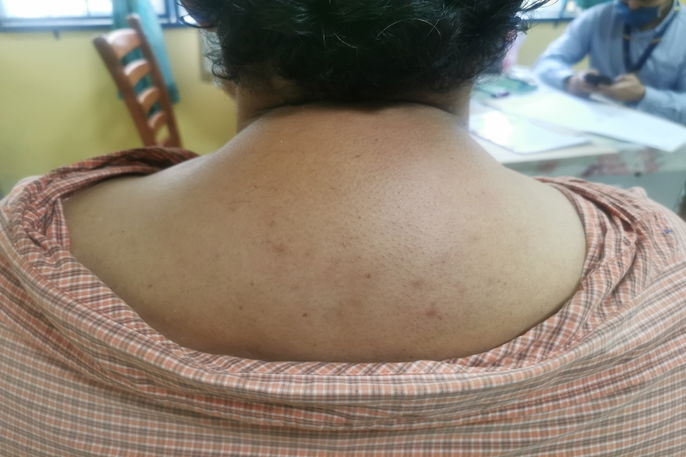
Common symptoms
The main symptoms of Cushing’s syndrome include:
-
Fat accumulation in the face, known as “moon face”;
-
A fat pad on the upper back between the shoulders, called a “buffalo hump”;
-
Weight gain, especially in the abdominal area;
-
Acne or excessive hair growth on the body, particularly in women;
-
Wide, red or purple striae (stretch marks) on the abdomen;
-
Muscle weakness, fatigue, or excessive tiredness.
Other symptoms may include decreased libido, erectile dysfunction in men, menstrual irregularities in women, infertility, frequent infections, and delayed wound healing.
The skin may also become thin and fragile, with easy bruising. Depression, anxiety, irritability, osteoporosis, diabetes, and high blood pressure can also occur.
In children, Cushing’s syndrome can cause slow growth, growth arrest, or delayed puberty.
Can Cushing's syndrome change skin color?
Cushing’s syndrome can cause the skin to darken. This happens because high levels of ACTH in the blood may stimulate melanin production, the pigment that gives color to the skin.
Confirming a diagnosis
A diagnosis of Cushing’s syndrome is made by an endocrinologist based on an evaluation of symptoms, medical history, current medications, and a physical exam, along with lab or imaging tests.
Lab tests
The main tests used to detect Cushing’s syndrome include:
-
Measurement of cortisol levels in the blood and/or late-night saliva;
-
Measurement of free cortisol levels in a 24-hour urine sample;
-
Measurement of ACTH levels in the blood;
-
Dexamethasone suppression test;
-
Corticotropin-releasing hormone stimulation test.
In many cases, these tests need to be repeated to confirm the diagnosis and begin proper treatment, as some symptoms are common to other conditions, which can make diagnosis more challenging. Read more about the cortisol test.
Other exams that may be recommended to check for tumors in the pituitary or adrenal glands include magnetic resonance imaging (MRI) or computed tomography (CT) scans.
Cushing’s syndrome vs Cushing’s disease
The main difference between Cushing’s syndrome and Cushing’s disease lies in their cause.
Cushing’s syndrome refers to elevated cortisol levels in the blood that can occur for various reasons, such as long-term corticosteroid use or tumors in the adrenal or pituitary glands.
Cushing’s disease, however, specifically refers to a benign tumor in the pituitary gland that produces excess ACTH, which stimulates the adrenal glands to release too much cortisol.
Possible causes
The main causes of Cushing’s syndrome include:
-
Long-term and/or high-dose corticosteroid use;
-
Pituitary adenoma (a tumor in the pituitary gland in the brain);
-
Adrenal adenoma (a tumor in the adrenal gland located above the kidneys);
-
Genetic predisposition.
Although rare, Cushing’s syndrome can also occur as a result of certain malignant tumors.
Treatment options
Treatment for Cushing’s syndrome should be guided by an endocrinologist and depends on the underlying cause.
The main treatments for Cushing's syndrome are:
1. Gradual reduction of corticosteroid dosage
When caused by long-term corticosteroid use, treatment usually involves gradually reducing the medication dosage under medical supervision and, if possible, discontinuing it.
Corticosteroids should never be stopped abruptly or without guidance from a healthcare provider.
2. Use of medications
An endocrinologist may prescribe medications to block or control cortisol production in people with severe symptoms.
These drugs may also be recommended before surgery or when a tumor cannot be removed.
Commonly used medications include ketoconazole, mitotane, or osilodrostat.
3. Surgery
When Cushing’s syndrome is caused by a tumor, treatment typically involves surgical removal of the tumor. In some cases, radiation therapy may also be necessary.
4. Dietary changes
Maintaining a balanced diet is important to help control blood sugar and blood pressure levels.
If there are no dietary restrictions, it is also important to include adequate amounts of dairy products and maintain appropriate vitamin D levels under medical supervision to prevent bone loss and osteoporosis.
Possible complications
Complications of Cushing’s syndrome can vary in severity and may include high blood sugar levels (diabetes), high blood pressure, bone fractures due to loss of bone mass, increased risk of infections, and greater risk of blood clots (thrombosis).