


Creatine is a substance made by the kidneys and liver that provides energy to muscles and supports muscle fiber growth. It can help increase muscle mass, improve physical performance, and lower the risk of injuries.
Although creatine is naturally produced by the body, many athletes use creatine supplements to boost performance.
Creatine supplementation should always be guided by a doctor or nutritionist, based on individual nutritional needs and health history.
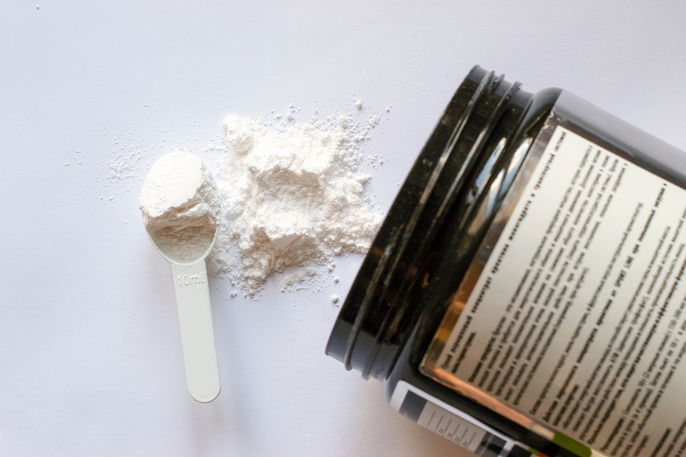
What creatine is used for
Creatine can be used in the following ways:
1. Improve physical performance
Creatine is found in higher concentrations in skeletal muscle, where it supplies energy to muscle fibers, helps prevent fatigue, and enhances strength training performance. It can also increase muscle size by drawing fluid into the muscle cells.
Because of these effects, athletes in bodybuilding, weight training, and high-performance sports often use creatine supplements to increase energy, improve training results, and reduce the risk of injuries.
2. Support the treatment of muscle disorders
Some studies suggest that creatine may help treat muscle disorders, such as muscular dystrophy and fibromyalgia, by improving muscle strength and making it easier to perform daily activities.
However, more research is needed to confirm these benefits and establish safe dosages. In some cases, high doses of creatine in people with muscle conditions have been linked to worsening symptoms.
3. Help prevent Parkinson’s disease
Parkinson’s disease is linked to mitochondrial dysfunction, and research indicates that creatine may act on these cells, potentially improving their function and slowing disease progression.
Even so, more studies are needed to determine the recommended daily dose and length of use for preventing or delaying Parkinson’s symptoms.
4. Prevent chronic diseases
Creatine may help prevent chronic conditions such as diabetes and heart disease when combined with regular exercise and a balanced diet. This is because creatine supports lean muscle gain and improves bone density, which can help lower the risk of these diseases.
How to take creatine
The most common way to take creatine is daily supplementation with about 2 to 5 grams for 3 months.
Another option is the loading method, which starts with a higher daily dose of creatine for several days to saturate the muscles, followed by a reduced daily dose for about 12 weeks.
In all cases, creatine supplementation should be done under the supervision of a doctor or nutritionist and paired with proper training and nutrition.
Possible side effects
Creatine is naturally produced by the body and is generally not associated with side effects. However, taking creatine supplements in excessive doses, or without professional guidance, may affect kidney function and cause stomach discomfort.
Other possible side effects, especially when creatine is not combined with a balanced diet, include:
-
Dizziness
-
Muscle cramps
-
Increased blood pressure
-
Fluid retention
-
Abdominal bloating
-
Diarrhea