


The copper IUD is a highly effective form of nonhormonal birth control indicated for the prevention of pregnancy for up to 5 or 10 years.
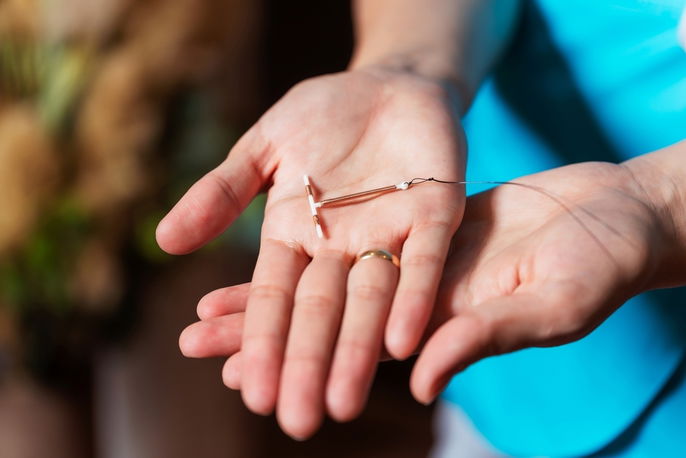
Copper IUDs are small T-shaped or U-shaped devices made from copper-coated polyethylene that are inserted into the uterus by a gynecologist or other trained healthcare professional. These IUDs work by altering the composition of the cervical mucus, creating a hostile uterine environment, and inhibiting sperm motility.
It is important to talk to your gynecologist or other healthcare provider about which type of IUD is right for you. For individuals with contraindications to the copper IUD, the hormonal IUD may be a better option.
Indications for use
The copper IUD is a type of long-acting reversible contraception (LARC) indicated for the prevention of pregnancy for up to 5 to 10 years, depending on the model.
It is important to emphasize that the copper IUD does not protect against sexually transmitted infections (STIs). To protect against STIs, it is recommended to use a condom every time you have sex.
How it works
The copper IUD works by:
- Altering cervical mucus and creating a hostile environment in the uterus to prevent sperm from entering;
- Inhibiting sperm motility;
- Damaging the sperm so it cannot fertilize the egg;
- Causing changes to the endometrium that could potentially prevent implantation of a fertilized egg (although the primary mechanism is preventing fertilization).
The copper IUD does not inhibit ovulation. Instead, the copper IUD prevents pregnancy by causing changes in the uterine environment that affect the function and survival of the sperm and the egg to keep them from meeting.
These effects are the result of an inflammatory response to the continuous release of copper in the uterine cavity.
Does the copper IUD contain hormones?
No, the copper IUD is a method of nonhormonal birth control that does not contain hormones.
This type of IUD contains only copper, which is a metal that exerts its effects on the uterine cavity to prevent pregnancy.
Pros and cons
As with any type of contraception, the copper IUD has several advantages as well as disadvantages, which are summarized below:
Before deciding on the copper IUD it is important to talk to your gynecologist or other women's health provider about what contraceptive method is right for you.
Also recommended: Type of Birth Control (9 Contraceptive Methods & Side Effects) tuasaude.com/en/birth-control-optionsProcedure
The copper IUD is inserted by a gynecologist or other trained healthcare professional usually as an outpatient procedure in the office. It can be placed on any day of the menstrual cycle after first ruling out pregnancy.
During the insertion, your provider will:
- Ask you to lie back on the exam table in the lithotomy position (feet on foot rests or in stirrups);
- Insert the speculum into the vaginal canal;
- Cleanse the cervix with Betadine;
- Insert the IUD through the cervix and into the uterus using the insertion tube;
- Remove the insertion tube gently;
- Trim the IUD strings to a length of 3 to 4 cm.
During the procedure it is possible to feel discomfort similar to pressure as well as painful cramping during the insertion, although this experience varies between individuals. Be sure to ask your provider about any pain management options that are available to you.
The IUD strings can be felt by inserting a finger into the vagina but are usually not noticed by a partner during sex.
It is possible for the string to slowly change its position over time or appear shorter on some days, but it is only cause for concern if the strings disappear.
What to do if you cannot feel the strings
In this case it is important to see a gynecologist as soon as possible for a pelvic exam and/or ultrasound to determine whether the IUD has moved or fallen out.
Different types
The main types of copper IUDs available are:
1. T-shaped copper IUD
The T-shaped copper IUD is made from sterile radiopaque polyethylene with a total surface area of 300 to 380 mm2 of active copper depending on the model.
Examples of T-shaped copper IUDs include ParaGard (USA); Mona Lisa, Liberté, and FlexiT (Canada); T-Safe TCu 380A (UK); and Copper T 380A (Australia).
Depending on the model, these copper IUDs can last for up to 5 or 10 years and may be available in both standard and short sizes. The standard size is typically indicated for people with a uterus measuring between 6 to 9 cm, while the short size may be more suitable for people with smaller uteruses (<7 cm) and people who have never had a baby before.
2. U-shaped (horseshoe) copper IUD
The U-shaped (horseshoe) copper IUD is also made out of sterile radiopaque polyethylene with a unique shape that helps stabilize the device in the uterine cavity and may decrease the risk of expulsion in people at higher risk for this complication.
Examples of U-shaped IUDs include:
- Multi-Safe Cu 375 (UK) and Mona Lisa Cu375 (Canada): for people with a uterus measuring between 6 to 9 cm;
- Multi-Safe Cu 375 short (UK) and Mona Lisa Cu375 SL (Canada): recommended for people with a uterus measuring between 5 to 8 cm and for those who have never had a baby.
These IUDs are good for up to 5 years of pregnancy prevention.
Contraindications to use
Contraindications to the copper IUD include:
- Postpartum sepsis;
- Septic abortion (a spontaneous or induced abortion due to a pelvic infection);
- Gestational trophoblastic disease;
- Submucosal fibroids;
- Cervicitis caused by gonorrhea or chlamydia.
While a copper IUD can be placed immediately following childbirth, you may be advised to wait for at least 4 weeks following delivery to decrease the risk of expulsion. The copper IUD may also be contraindicated in people with lupus complicated by severe thrombocytopenia and people with AIDS in cases where the risks outweigh the benefits.
Side effects
The copper IUD has few side effects, although some people may experience cramps and heavy bleeding during their periods.
There is also a very low risk of displacement, infection, and perforation of the uterine wall.
An IUD that is displaced or has perforated (made a hole in) the uterine wall may not cause any symptoms, but the string hanging down into the vagina may disappear up into the cervix. Strings that appear longer may be a sign of expulsion (the IUD falling out of the uterus).
It is important to make an appointment as soon as possible with your gynecologist or primary care provider if you are concerned that the IUD has moved.
Does the IUD cause weight gain?
The copper IUD does not cause any changes to appetite and does not contain any hormones. In general, only hormonal IUDs like Mirena have an increased risk for weight gain.